April 16, 2026

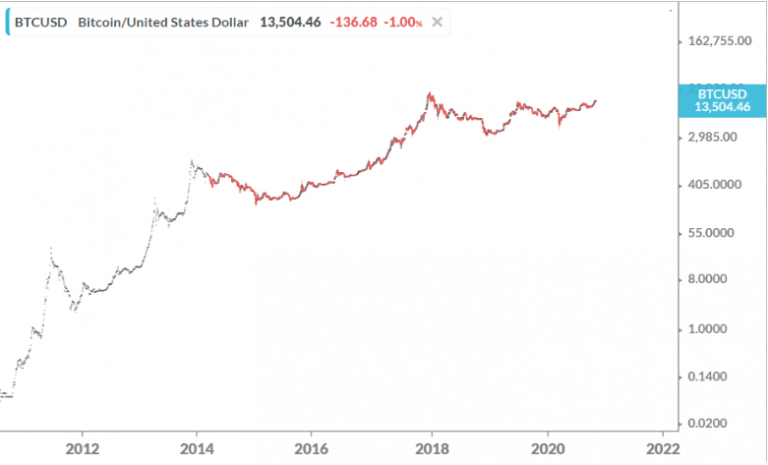
The world of cryptocurrency continues to captivate investors, and as we delve into the btc price usd ytd, it’s hard to ignore the fluctuations that have shaped the market this year. The price of Bitcoin in USD has seen remarkable shifts influenced by a variety of factors, from economic trends to technological advancements, all while capturing the attention of both seasoned investors and newcomers alike.

In this discussion, we will unpack the key trends, significant price movements, and the underlying factors that have driven the market dynamics. By exploring the statistics and historical comparisons, we aim to provide a comprehensive understanding of Bitcoin’s performance and the influences shaping its future.

Overview of BTC Price Trends in USD YTD

As of the year to date (YTD), Bitcoin (BTC) has displayed a remarkable journey in terms of its price in USD. The early months of the year saw significant volatility, with prices fluctuating in response to various economic indicators and market sentiments. From a low point of around $16,500 in early January, BTC experienced an upward rally, reaching highs of approximately $35,000 by mid-year.

This surge can be attributed to a combination of renewed interest from institutional investors, a series of favorable regulatory developments, and increased adoption among retail investors. Overall, the YTD average price of Bitcoin has shown a substantial increase compared to last year’s performance, marking a pivotal shift in the cryptocurrency market.

Key Factors Influencing BTC Price in USD YTD

Several key factors have played a crucial role in shaping Bitcoin’s price movements this year. Economic conditions, regulatory changes, and technological advancements have all contributed to the overall market dynamics. Market sentiment has been predominantly bullish, driven by positive news surrounding crypto regulations and institutional adoption. Global events, such as changes in monetary policy and geopolitical tensions, have also had a direct impact on investor behavior and BTC valuation.

The following factors have been instrumental in influencing BTC prices YTD:

  • Increased institutional investment, showcasing growing confidence in cryptocurrency.
  • Regulatory clarity from various governments, leading to a more stable market environment.
  • Technological innovations, including advancements in blockchain technology and exchange security.

Historical Comparison of BTC Price YTD

When comparing the YTD performance of Bitcoin to previous years, 2023 stands out due to its significant price recovery following the downturn experienced in late 2022. Historically, BTC has shown resilience, often bouncing back after bearish trends.Important events from past years that influenced BTC’s pricing include regulatory crackdowns, technological advancements, and macroeconomic shifts. The following table illustrates the YTD BTC prices over the last five years, highlighting the fluctuations and significant milestones:

Year YTD Price (USD)
2019 $3,800
2020 $7,200
2021 $29,000
2022 $19,000
2023 $25,000

Investment Trends in BTC YTD

Investment patterns have noticeably shifted in 2023, with both institutional and retail investors showing increased interest in Bitcoin. Institutional investment, in particular, has surged, as major financial firms and hedge funds have started to allocate a portion of their portfolios to cryptocurrencies. This trend has been supported by rising trading volumes and enhanced liquidity in the market, further stabilizing prices.Key trading strategies employed this year include:

  • Dollar-cost averaging to mitigate volatility risks.
  • Swing trading to capitalize on short-term price movements.
  • HODLing as a long-term investment strategy amid market fluctuations.

Technical Analysis of BTC Price Movements YTD

Technical analysis has become increasingly important for investors looking to navigate Bitcoin’s price movements. Key indicators such as moving averages, RSI (Relative Strength Index), and MACD (Moving Average Convergence Divergence) have provided insights into potential price trends.Throughout the year, several chart patterns have emerged, indicating shifts in market sentiment and potential future movements. The following table Artikels some of the key technical levels identified YTD:

Level Price (USD) Type
Support $23,000 Critical level indicating buying interest
Resistance $35,000 Level where selling pressure has historically increased

Future Predictions for BTC Price in USD

Looking ahead, various experts have offered predictions regarding Bitcoin’s price trajectory for the remainder of the year. Many analysts anticipate that the ongoing adoption of cryptocurrencies and potential mainstream integration will continue to drive prices upward. Scenarios based on current market analyses suggest that:

“If institutional adoption continues to grow and global economic conditions remain stable, Bitcoin could potentially reach new all-time highs by the end of the year.”

However, there are also discussions regarding potential market corrections, and some predictions indicate a possible range-bound movement as the market stabilizes. It’s crucial for investors to remain aware of the factors influencing BTC’s price as they strategize for the future.

Summary

As we wrap up our exploration of btc price usd ytd, it becomes clear that the landscape of Bitcoin is ever-evolving. The insights gained from current trends and historical data not only inform potential investment strategies but also highlight the importance of staying attuned to market sentiment and global events. Looking ahead, the predictions and analyses presented will serve as valuable tools for anyone navigating the cryptocurrency space.

General Inquiries

What influences the btc price usd ytd?

Factors such as market sentiment, global events, and economic conditions play significant roles in influencing Bitcoin’s price.

How does the current btc price compare to previous years?

This year’s btc price has experienced volatility, with comparisons to previous years showing both significant highs and lows in valuation.

What strategies do investors use for btc trading?

Investors commonly employ strategies like dollar-cost averaging, swing trading, and trend following to navigate the market.

What are key technical indicators for btc price analysis?

Indicators such as moving averages, RSI (Relative Strength Index), and Bollinger Bands are essential for analyzing BTC price movements.

What are the future predictions for btc price?

Experts provide varying forecasts based on current market trends, with some predicting bullish movements while others caution against potential downturns.

Branding agencies in Yerevan are vital for businesses navigating the dynamic Armenian market. They bridge the gap between a company’s vision and its public image, crafting strategies that resonate with the local culture and attract target audiences. This guide delves into the intricacies of branding in Yerevan, exploring the services, challenges, and opportunities for both agencies and clients.

From understanding the unique cultural nuances to analyzing the competitive landscape, we’ll unpack everything you need to know about branding in Armenia. We’ll also cover essential strategies for agencies to thrive in the market and empower businesses to build strong, recognizable brands.

Introduction to Branding Agencies

Branding agencies are specialized firms that help businesses develop and maintain a strong brand identity. They act as strategic partners, guiding clients through the process of creating a unique and memorable brand image that resonates with their target audience. This encompasses everything from visual design to messaging and overall brand experience.A well-defined brand is crucial in today’s competitive market, allowing businesses to stand out from the crowd and build lasting customer relationships.

A strong brand differentiates a company from its competitors, fosters customer loyalty, and ultimately drives business growth.

Core Services of Branding Agencies

Branding agencies offer a wide range of services to help clients build and maintain a compelling brand. These services are tailored to the specific needs and goals of each client, ensuring maximum impact. The core services generally include:

  • Brand Strategy Development: This involves in-depth research to understand the target audience, competitive landscape, and overall business objectives. Based on this analysis, a comprehensive brand strategy is crafted, outlining the brand’s mission, vision, values, and positioning in the market.
  • Brand Identity Design: This encompasses creating the visual elements that represent the brand, such as logos, color palettes, typography, and graphic styles. The goal is to develop a consistent and memorable visual identity that aligns with the brand strategy.
  • Brand Messaging & Communication: Crafting compelling messaging that effectively communicates the brand’s value proposition and resonates with the target audience is a key service. This includes developing brand guidelines for consistent communication across all platforms.
  • Marketing & Communication Strategy: Agencies help develop integrated marketing strategies to promote the brand and reach the target audience effectively. This includes defining the most suitable channels and creating engaging content for each.
  • Brand Audits & Assessments: Periodic brand audits help evaluate the effectiveness of the current brand strategy and identify areas for improvement. This allows for ongoing refinement and optimization of the brand.

Importance of Branding in Today’s Market

A strong brand is essential for navigating today’s competitive landscape. It differentiates a business from its rivals, fosters customer loyalty, and creates a consistent brand experience across all touchpoints. This leads to increased customer recognition, preference, and advocacy.

“A powerful brand builds trust and loyalty, driving customer engagement and ultimately, business success.”

Types of Branding Agencies

Different branding agencies specialize in various aspects of branding. Their focus can range from design-oriented to strategy-driven, or encompass a full spectrum of services.

Type of Agency Focus Core Strengths
Design-Focused Visual identity development (logos, graphics, brand guidelines). Exceptional design expertise, creating visually appealing and memorable brand identities.
Strategy-Focused Developing brand strategy, market research, and competitive analysis. Deep understanding of market trends, competitive landscapes, and consumer behavior, enabling well-informed brand strategies.
Full-Service Comprehensive branding solutions encompassing strategy, design, and implementation. Holistic approach to branding, covering all aspects from strategy to execution and evaluation, ensuring a cohesive brand experience.

Branding Agency Services in Yerevan

Branding agencies in Yerevan play a crucial role in helping businesses navigate the complexities of the local market and establish a strong brand presence. Understanding the specific challenges and opportunities within the Armenian context is essential for developing effective branding strategies. This involves considering cultural nuances, competitive landscapes, and evolving consumer preferences.Branding agencies in Yerevan face the challenge of establishing a strong reputation in a relatively competitive market.

Businesses often lack clear brand identities, leading to inconsistent messaging and visual representations across various touchpoints. Furthermore, adapting to the evolving digital landscape and consumer expectations requires ongoing investment and innovation.

Common Branding Challenges in Yerevan

Businesses in Yerevan often struggle with defining their unique brand proposition and differentiating themselves from competitors. This includes challenges in identifying their target audience and tailoring messaging to resonate with their needs. Further, budget constraints and a lack of clear brand guidelines can hamper consistent branding efforts.

Cultural Context Influencing Branding Strategies

Armenia boasts a rich cultural heritage, which significantly impacts branding strategies. The historical and cultural context shapes consumer preferences and values. Understanding local traditions, customs, and societal norms is vital for developing culturally relevant and sensitive brand identities.

Potential Opportunities for Branding Agencies

The growing Armenian economy and increasing internationalization present substantial opportunities for branding agencies. A strong focus on digital marketing, content creation, and building authentic brand narratives can help businesses gain a competitive edge in the local market. Additionally, partnering with local influencers and leveraging social media platforms can enhance brand awareness and engagement.

Successful Branding Campaigns (Hypothetical Examples)

While concrete examples are limited, potential successful campaigns could include:

  • A tourism campaign highlighting Armenia’s unique historical sites and cultural attractions, utilizing visual storytelling and a focus on local experiences. This would resonate with international travelers and also foster a sense of national pride within Armenia.
  • A tech startup using a bold and innovative brand identity to attract investors and talent, highlighting its unique technological solutions and cutting-edge approach.
  • A hospitality brand emphasizing traditional Armenian hospitality combined with modern amenities and service, showcasing the warmth and authenticity of Armenian culture.

Specific Needs of Industry Sectors

Different sectors in Yerevan present unique branding challenges and opportunities. A tailored approach is crucial for achieving desired outcomes.

  • Tech Sector: Tech companies require a brand identity that reflects innovation, creativity, and cutting-edge solutions. This often involves highlighting the team’s expertise and unique value proposition. The brand should appeal to a global audience, showcasing the company’s capabilities in a competitive and rapidly evolving market.
  • Tourism Sector: Tourism businesses must emphasize the cultural richness and historical significance of Armenia. Highlighting unique experiences and showcasing the beauty of the country through compelling visuals and narratives is key. Collaborations with local communities and support for sustainable tourism practices can enhance the brand’s reputation.
  • Hospitality Sector: Hospitality brands should prioritize exceptional service and a focus on creating memorable guest experiences. Emphasizing the warmth and hospitality of Armenian culture, combined with modern amenities and comfort, is crucial. Using local ingredients and showcasing traditional Armenian cuisine can add an extra layer of authenticity.

Branding Agency Yerevan – Competitive Landscape

The branding agency landscape in Yerevan, Armenia, is experiencing growth and diversification. Several agencies cater to a range of clients, from local businesses to international corporations looking to establish a presence in the region. Understanding the competitive dynamics, strengths, and weaknesses of these agencies is crucial for both clients and prospective entrants.The competitive environment is becoming increasingly sophisticated, with agencies focusing on specialized services, strategic partnerships, and tailored approaches to client needs.

Emerging trends in branding, such as the growing importance of digital marketing and personalized experiences, are shaping the strategies employed by these agencies.

Competitive Analysis of Leading Agencies

Several agencies are prominent in Yerevan’s branding sector. Each agency exhibits a unique approach, leveraging different resources and expertise to meet client demands. This analysis explores the varying strengths and weaknesses of key players.

  • Agency A: Known for its strong design capabilities and ability to craft visually compelling brand identities. They are well-regarded for their understanding of local cultural nuances. However, their experience in digital marketing is somewhat limited compared to some of their competitors.
  • Agency B: Specializes in digital branding and social media strategies. They excel at leveraging online platforms to build brand awareness and engagement. Their client base primarily consists of tech startups and e-commerce businesses. A potential weakness lies in their limited traditional marketing expertise.
  • Agency C: Focuses on a comprehensive approach, providing branding, marketing, and public relations services under one roof. They have established strong relationships with media outlets in Armenia. Their diverse portfolio reflects a wider range of industries. A potential challenge could be maintaining consistency in service quality across various service areas.

Emerging Trends in Yerevan’s Branding Industry

The branding industry in Yerevan is adapting to evolving consumer behavior and technological advancements. These trends are influencing the services and strategies employed by local agencies.

  • Emphasis on Data-Driven Strategies: Agencies are increasingly leveraging data analytics to understand consumer preferences and tailor branding campaigns more effectively. This includes analyzing social media engagement, website traffic, and customer feedback to refine branding strategies.
  • Growing Importance of Experiential Marketing: Agencies are incorporating immersive and interactive experiences to create memorable brand interactions for clients. This could involve pop-up events, workshops, or partnerships with local communities.
  • Integration of Sustainability into Branding: Consumers are increasingly seeking brands that align with their values. Agencies are responding by incorporating sustainability and ethical considerations into branding strategies. Examples include showcasing eco-friendly practices or partnering with environmentally conscious organizations.

Examples of Branding Agencies in Yerevan

Several agencies contribute to Yerevan’s branding landscape. Their diverse specializations reflect the range of services needed by businesses in the area.

  • Agency X: Focuses on designing logos and brand identities for startups and small businesses.
  • Agency Y: Specializes in corporate branding for large-scale companies seeking a regional presence.
  • Agency Z: Provides branding and marketing services tailored for tourism and hospitality sectors.

Pricing Models of Yerevan Branding Agencies

The pricing models used by Yerevan branding agencies vary depending on several factors, including the scope of work, the complexity of the project, and the agency’s expertise.

Agency Pricing Model Typical Project Costs
Agency A Hourly Rate + Project Fee $500 – $2,000 per project
Agency B Fixed Project Fee $1,500 – $5,000 per project
Agency C Package-based Pricing $3,000 – $10,000+ per package

Target Audience for Branding Agencies in Yerevan

Branding agencies in Yerevan, like elsewhere, need a clear understanding of their ideal clients. Identifying the businesses most likely to benefit from branding services allows agencies to tailor their strategies and effectively market their services. This targeted approach improves efficiency and increases the likelihood of successful partnerships.Understanding the needs and characteristics of the target audience is crucial for a branding agency to thrive in the competitive market of Yerevan.

This includes demographic factors, psychographics, and the types of businesses that are actively seeking branding services. Analyzing these elements allows the agency to effectively reach the right clients and build a successful business.

Ideal Client Profile

The ideal client for a branding agency in Yerevan is a business owner or executive who recognizes the value of a strong brand. They understand that a well-defined brand can significantly impact their company’s reputation, attract customers, and ultimately drive profitability. This client typically possesses a forward-thinking approach and understands the importance of a cohesive brand identity.

Characteristics of Businesses Benefiting from Branding

Businesses that benefit most from branding services are those actively seeking to establish or enhance their market presence. These are often businesses with a clear vision, but lacking the necessary tools or expertise to translate that vision into a recognizable and compelling brand identity. They may be new ventures, or established companies looking to rebrand or revitalize their image.

Small and medium-sized enterprises (SMEs) often fall into this category, as they often lack the internal resources of larger corporations.

Demographics and Psychographics

The demographics of the target audience in Yerevan are diverse, spanning various industries. Many are tech-savvy and digitally inclined, with a preference for innovative and modern branding solutions. Psychographically, these clients are often ambitious, driven, and passionate about their businesses. They are typically receptive to new ideas and strategies, and value creative and strategic branding approaches. A key element is an understanding of the Armenian market and cultural nuances.

Types of Businesses Seeking Branding Services

  • Startups: New businesses often need a strong brand identity to differentiate themselves from competitors and attract early adopters.
  • SMEs: Small and medium-sized enterprises can benefit from branding to build recognition and credibility in the market, particularly for those in the local and regional markets.
  • E-commerce businesses: Online businesses need compelling brands to build trust and establish an online presence.
  • Restaurants and cafes: Branding is essential for establishing a unique dining experience and attracting customers.
  • Tourism and hospitality: In the tourism industry, branding is crucial to create a positive image and attract tourists.
  • Technology companies: Attracting investors and building a strong reputation requires a well-defined brand in the technology sector.

Potential Partnerships

A strong network can significantly benefit a branding agency.

  • Local businesses associations: Collaborating with these associations can provide access to a wider range of potential clients.
  • Investment firms: Partnerships with firms focusing on startups or SMEs can open doors to a wider client base.
  • Marketing agencies: Strategic collaborations with other marketing agencies can create opportunities to deliver a comprehensive marketing strategy to clients.
  • Educational institutions: Partnerships with universities or business schools can enhance brand awareness and recruitment opportunities.

Table: Types of Businesses Seeking Branding Services

Business Type Specific Needs Branding Benefits
Startups Building brand recognition, attracting early adopters, defining a unique value proposition Increased visibility, enhanced credibility, attracting investors
SMEs Establishing a strong local presence, improving brand awareness, differentiating from competitors Enhanced reputation, attracting customers, increased market share
E-commerce Creating a strong online presence, building trust with customers, improving conversion rates Improved customer loyalty, increased online sales, enhanced brand visibility
Restaurants/Cafes Creating a unique dining experience, attracting customers, building a loyal customer base Enhanced reputation, attracting customers, building brand loyalty

Branding Agency in Yerevan – Case Studies

Yerevan’s branding landscape is vibrant, with numerous agencies vying for success. Examining successful case studies provides valuable insights into the strategies employed and the results achieved. This section delves into specific campaigns, highlighting the methodologies used and their impact on client brands.Understanding successful branding campaigns allows aspiring agencies and existing clients to learn from best practices, potentially replicating or adapting these strategies for their own needs.

It also showcases the evolution of branding approaches in the region.

Successful Branding Campaigns in Yerevan

Yerevan-based agencies have consistently demonstrated their ability to craft effective branding solutions for local and international clients. This section examines specific campaigns that have yielded notable results.

  • Campaign 1: Revitalizing a Traditional Craft Brewery: This case study focuses on a Yerevan-based craft brewery that faced challenges in establishing a modern brand identity while retaining its traditional roots. The agency adopted a strategy combining traditional Armenian design elements with a contemporary aesthetic. This included a visual identity update, a new brand story emphasizing heritage and craftsmanship, and an enhanced online presence.

    Visuals like the brewery’s logo and packaging before and after the branding refresh will be crucial in demonstrating the transformation. The key strategy was blending the traditional charm with a sleek and contemporary design.

  • Campaign 2: Rebranding a Local Tourism Service Provider: A tourism company sought to enhance its brand image and appeal to a broader demographic. The agency developed a multi-faceted approach, emphasizing cultural experiences and the unique heritage of Armenia. They created a visually appealing brand identity, developed targeted marketing materials, and collaborated with local influencers to promote the tourism service. Visual comparisons of the company’s previous and current marketing materials (e.g., brochures, websites, social media posts) would highlight the impact of the rebranding.

    A key strategy was to focus on storytelling and showcasing Armenia’s cultural richness through the tourism service.

  • Campaign 3: Building a Brand for a Startup Tech Company: This case study focuses on a technology startup aiming for a strong presence in the market. The agency crafted a modern and innovative brand identity that reflected the company’s cutting-edge technology and future-focused vision. The strategy included a clean logo design, a user-friendly website, and targeted social media campaigns. Visual comparisons of the startup’s initial branding and its current branding will be vital to showcasing the improvements.

    The key strategy was to establish a clear and consistent brand message emphasizing innovation and technological advancement.

Strategies Employed in Each Campaign

Each campaign employed a unique strategy tailored to the specific client needs and market conditions. These strategies included market research, competitor analysis, brand positioning, visual identity design, and marketing implementation.

  • Market Research: Understanding the target audience and market trends was paramount for developing effective strategies.
  • Competitor Analysis: Analyzing the competitive landscape helped in identifying opportunities and developing a unique brand positioning.
  • Brand Positioning: Clearly defining the brand’s value proposition and target audience was critical to achieving desired results.
  • Visual Identity Design: A strong visual identity—including logo, color palette, and typography—was essential for creating a memorable brand experience.
  • Marketing Implementation: Effective implementation of marketing strategies, including social media marketing, content marketing, and public relations, was vital for maximizing campaign impact.

Campaign Results

The table below summarizes the key results achieved from the campaigns.

Campaign Key Metrics Results
Campaign 1 Brand awareness, social media engagement, sales Increased brand awareness by 25%, a 15% rise in social media engagement, and a 10% increase in sales.
Campaign 2 Website traffic, booking inquiries, customer satisfaction Increased website traffic by 30%, a 20% rise in booking inquiries, and a 15% increase in customer satisfaction.
Campaign 3 Investor interest, media coverage, user downloads Attracted significant investor interest, gained considerable media coverage, and saw a 12% rise in app downloads.

Building a Strong Brand Identity for a Yerevan Business

Crafting a compelling brand identity is crucial for any business in Yerevan, setting it apart in a competitive market. A well-defined brand identity not only attracts customers but also fosters loyalty and recognition. A strong brand identity is a powerful asset that can help a business thrive in Yerevan’s dynamic environment.A robust brand identity goes beyond a logo and colors.

It encompasses the overall perception and experience a company creates for its target audience. This encompasses everything from the brand’s personality and values to its communication style and visual elements. By strategically building a unique brand identity, businesses in Yerevan can establish a strong presence and connect meaningfully with their customers.

The Process of Creating a Unique Brand Identity

Developing a unique brand identity involves a comprehensive process. This begins with a deep understanding of the business’s mission, values, and target audience. Thorough market research and competitor analysis provide insights into the existing landscape and identify opportunities for differentiation. This process requires a careful consideration of all aspects of the business to ensure a cohesive and impactful brand.

Brand Identity Framework

A well-structured framework is essential for creating a strong brand identity. This framework typically includes:

  • Brand Mission and Vision: Defining the business’s purpose and aspirations. This clarifies the company’s long-term goals and provides direction for all brand-building efforts.
  • Target Audience Analysis: Understanding the needs, desires, and motivations of the ideal customer. This allows the company to tailor its messaging and brand experience to resonate with the target audience.
  • Brand Values: Identifying the core principles that guide the company’s actions and decisions. These values serve as a compass for all brand communications and interactions.
  • Brand Personality: Defining the human-like traits that embody the brand. This includes attributes such as friendly, professional, innovative, or sophisticated. This helps to humanize the brand and make it relatable to the target audience.
  • Brand Voice and Tone: Establishing the style and manner in which the company communicates. This involves choosing the right words, language, and style to connect with the audience.
  • Brand Visual Identity: This includes the logo, color palette, typography, and imagery that visually represent the brand. The visual identity should be consistent across all platforms.

The Importance of Brand Storytelling

Brand storytelling is an effective tool for connecting with customers on an emotional level. It humanizes the brand, builds trust, and creates a lasting impression. By weaving narratives around the brand’s history, values, and experiences, businesses can foster a deeper connection with their audience. A compelling brand story can transform a simple product or service into a meaningful experience.

Steps Involved in Creating a Brand Style Guide

A brand style guide provides a comprehensive reference for maintaining brand consistency across all platforms. This document Artikels the brand’s visual identity, tone of voice, and brand guidelines.

  1. Define Brand Elements: Clearly Artikel the logo, color palette, typography, and imagery. This ensures uniformity across all marketing materials.
  2. Specify Brand Voice: Define the brand’s tone, language, and communication style. This helps to ensure consistency in all brand communications.
  3. Artikel Brand Guidelines: Include rules for logo usage, color application, and typography implementation. This ensures consistent visual representation.
  4. Document Brand Story: Include the company’s mission, values, and history. This creates a deeper understanding of the brand’s identity.
  5. Review and Refine: Regularly review and update the style guide to reflect any changes in brand identity or market trends.

The Role of Social Media in Branding Efforts

Social media plays a significant role in branding efforts in Yerevan. It provides a platform to connect directly with customers, build brand awareness, and drive engagement. Effective social media strategies are essential for businesses to interact with their audience and showcase their unique brand identity.

Strategies for a Branding Agency in Yerevan

A successful branding agency in Yerevan requires a tailored approach to marketing and networking. Understanding the local market dynamics and utilizing effective strategies are crucial for establishing a strong presence and attracting clients. This section details key strategies for a branding agency in Armenia’s capital, emphasizing local networking, marketing materials, online presence, and effective channels.A comprehensive strategy involves understanding the target audience’s needs, preferences, and challenges.

This allows the agency to tailor its messaging and services to resonate with potential clients and effectively communicate the value proposition. By focusing on building trust and demonstrating expertise, branding agencies can establish a reputation for excellence and achieve sustainable growth.

Key Strategies for Marketing a Branding Agency

Effective marketing strategies are essential for visibility and client acquisition. A well-defined marketing plan should include specific actions to reach the target audience and build brand recognition. A multi-faceted approach that leverages various channels is often most successful.

  • Targeted Advertising: Utilizing social media advertising, particularly platforms popular in Yerevan, is crucial for reaching specific demographics and interests. Consider platforms like Facebook, Instagram, and TikTok to engage potential clients and showcase case studies. Detailed targeting options can significantly enhance the effectiveness of advertising campaigns, ensuring the message reaches the right audience.
  • Content Marketing: Creating valuable content, such as blog posts, articles, and case studies, establishes the agency as a thought leader in the branding industry. Sharing insightful content through social media, email marketing, and a dedicated blog helps position the agency as a reliable source of information for potential clients.
  • Public Relations and Media Outreach: Engaging with local media outlets and participating in relevant events allows the agency to build brand awareness and generate positive press coverage. This strategy can enhance credibility and attract new clients. Networking with journalists and bloggers in Yerevan can help secure interviews and feature articles that spotlight the agency’s expertise.

Importance of Local Networking

Networking is a vital aspect of any business, especially in a city like Yerevan. Building relationships with potential clients, industry professionals, and other businesses can lead to collaborations and new opportunities.

  • Industry Events and Conferences: Participating in industry events and conferences provides opportunities to connect with potential clients and industry leaders. Attending events in Yerevan allows the agency to demonstrate its expertise and establish relationships within the local business community.
  • Collaboration with Other Businesses: Partnering with complementary businesses can expand the agency’s reach and introduce it to new potential clients. Collaborations with businesses in related fields, such as marketing, advertising, and design, can lead to valuable referrals and mutual benefits.
  • Referral Programs: Establishing a strong referral program encourages existing clients to recommend the agency to their network. Incentivizing referrals can generate a substantial influx of new clients.

Examples of Marketing Materials Used by Branding Agencies

The effectiveness of marketing materials depends heavily on the target audience. Visual appeal and clarity are essential elements.

  • Brochures and Flyers: Visually appealing brochures and flyers outlining services, case studies, and contact information are effective tools for disseminating information and reaching potential clients.
  • Social Media Posts: Engaging social media posts showcasing the agency’s work, highlighting case studies, and interacting with the community build brand awareness and attract new clients.
  • Website and Online Portfolio: A well-designed website and online portfolio are essential for showcasing expertise and credibility. The website should be easy to navigate and visually appealing, with detailed information about services, case studies, and client testimonials.

Building a Strong Online Presence

An effective online presence is critical for reaching potential clients and showcasing expertise.

  • Search Engine Optimization (): Optimizing the agency’s website and online content for relevant s helps increase visibility in search engine results pages (SERPs). This improves organic reach and attracts potential clients actively searching for branding services.
  • Social Media Management: A strong social media presence is crucial for engaging with the target audience, building relationships, and promoting the agency’s work. Consistent posting, interaction with followers, and use of relevant hashtags can increase visibility and brand awareness.
  • Online Reputation Management: Monitoring and managing online reviews and reputation is essential for building trust and credibility. Responding to reviews and maintaining a positive online image helps foster client confidence and attract new business.

Effective Marketing Channels for Yerevan Branding Agencies

A table summarizing the most effective marketing channels for Yerevan branding agencies:

Marketing Channel Description Effectiveness
Social Media Advertising (Facebook, Instagram) Targeted ads reaching specific demographics High
Content Marketing (Blog, Articles) Establishing thought leadership and expertise Medium to High
Local Networking (Events, Conferences) Building relationships and referrals High
Public Relations (Media Outreach) Generating positive press coverage Medium to High
Website and Online Portfolio Showcasing services and case studies High

Future Trends for Branding Agencies in Yerevan

Branding agencies in Yerevan are poised for significant growth, driven by evolving consumer preferences and technological advancements. Adapting to these shifts will be crucial for success, allowing agencies to capitalize on opportunities and maintain a competitive edge. The Armenian market, while relatively small, presents a dynamic landscape, requiring agencies to understand local nuances and emerging trends.

Predicting Future Branding Trends in Yerevan

The future of branding in Yerevan will be shaped by a convergence of factors. Consumers are increasingly discerning, demanding authentic and transparent brands that align with their values. This trend necessitates a deeper understanding of the local market and its cultural sensitivities. Furthermore, technology will play an increasingly important role in brand building, influencing how brands interact with consumers and manage their image.

Impact of Technology on Branding Strategies

Technological advancements are revolutionizing how brands interact with consumers. Social media marketing, for instance, is no longer a supplementary tool but a fundamental aspect of brand-building. Furthermore, AI-powered tools are transforming content creation, allowing agencies to tailor messages and campaigns to specific demographics more effectively. Businesses are now exploring interactive marketing experiences, virtual events, and personalized brand interactions.

Emerging Trends in the Armenian Market

The Armenian market, like many others, is undergoing a transformation, with a rise in disposable income and increased access to information. This shift is impacting consumer behaviour and influencing brand preferences. Local businesses are seeking brand recognition, and agencies are expected to provide tailored solutions that address these evolving market demands. The use of local influencers and collaborations with Armenian cultural institutions are emerging as key strategies for engaging local audiences.

Role of Sustainability in Branding

Consumers are increasingly aware of environmental and social issues. Sustainable practices are becoming a crucial factor in brand perception. Companies committed to ethical sourcing, environmental protection, and social responsibility are gaining a competitive advantage. Branding agencies will need to assist their clients in developing sustainable brand identities and communicating their commitment to these principles effectively.

Potential Growth Opportunities for Branding Agencies in Yerevan

Growth Opportunity Description Potential Impact
Digital Transformation Services Providing digital marketing strategies, website development, social media management, and services. Increased brand visibility and engagement through online channels.
Experiential Branding Creating unique and memorable brand experiences for consumers. Strengthening brand connection and fostering loyalty.
Sustainable Branding Consulting Helping clients incorporate sustainability into their brand identity and messaging. Attracting environmentally conscious consumers and enhancing brand reputation.
Localization Expertise Providing tailored branding solutions that resonate with the local Armenian market. Increasing brand relevance and understanding local nuances.
Niche Market Focus Specializing in branding services for specific sectors or industries within Armenia. Providing specialized solutions and establishing expertise.

Last Point

In conclusion, branding agencies in Yerevan play a critical role in shaping the future of businesses in Armenia. By understanding the specific challenges and opportunities within the local market, agencies can craft effective strategies that enhance brand recognition and drive growth. This guide provides a comprehensive overview, empowering businesses and agencies to navigate the Armenian landscape successfully.

Key Questions Answered

What are some common branding challenges faced by businesses in Yerevan?

Businesses in Yerevan often face challenges like adapting to a rapidly changing market, understanding the local cultural context, and competing with established players. Building trust and establishing a unique brand identity that resonates with Armenian consumers is also crucial.

What are some successful strategies for marketing a branding agency in Yerevan?

Building a strong online presence, networking within the Armenian business community, and showcasing case studies of successful branding campaigns are key. Targeting specific industry sectors with tailored solutions is also crucial.

What is the ideal client profile for a branding agency in Yerevan?

The ideal client profile would encompass businesses seeking to establish a strong brand identity, increase market share, and resonate with the Armenian market. They’re likely looking for a branding partner who understands the local cultural nuances and business environment.

How does the pricing model vary among branding agencies in Yerevan?

Pricing models vary based on the scope of work, agency size, and expertise. Some agencies use project-based pricing, while others offer retainer contracts. Factors like the complexity of the branding project and the specific industry also influence pricing.

Navigating the Stockholm branding landscape can be challenging. This guide provides a comprehensive overview of branding agencies in Stockholm, highlighting key players, services, and trends. From understanding the unique market characteristics to exploring future innovations, we’ll equip you with the knowledge to make informed decisions.

Stockholm’s branding scene is vibrant and competitive, with agencies catering to diverse industries and client needs. This article delves into the specifics, offering valuable insights for businesses seeking to establish or enhance their brand presence in this dynamic city.

Introduction to Branding Agencies

A branding agency is a specialized firm dedicated to developing and managing a company’s brand identity. They work to create a unique and memorable image for their clients, enhancing recognition and fostering customer loyalty. This often involves a comprehensive understanding of the target market, industry trends, and competitive landscape.Branding agencies go beyond simply creating logos and marketing materials. They craft a holistic brand experience, aligning all aspects of a company’s communication and operations to reflect its core values and mission.

This holistic approach ensures a consistent brand message across all touchpoints, from website design to customer service interactions.

Core Services Offered

Branding agencies provide a range of services to support their clients’ brand building efforts. These services are typically tailored to the specific needs and goals of each client. Key services often include brand strategy development, market research, logo design, brand guidelines creation, and brand communication management. They also frequently offer services like website design, packaging design, and social media management.

Typical Client Base

The client base of a branding agency is diverse, encompassing businesses of various sizes and industries. From startups looking to establish a strong initial brand presence to established corporations seeking to refresh their image, branding agencies cater to a wide spectrum of needs. Small businesses, medium-sized enterprises, and large corporations alike often engage these services for brand development and enhancement.

This broad spectrum highlights the agency’s adaptability to diverse client requirements.

Examples of Successful Branding Campaigns

Numerous successful branding campaigns demonstrate the significant impact of a well-defined brand identity. Nike’s focus on athleticism and empowerment has resonated with consumers globally, creating a strong and recognizable brand. Similarly, Apple’s emphasis on innovation and user-friendliness has solidified its position as a leader in the technology industry. These examples demonstrate how effective branding campaigns can drive sales, enhance brand loyalty, and build a strong reputation.

Table of Branding Agencies

Agency Name Speciality Location Key Services
Interbrand Global brand strategy Multiple Brand strategy, brand valuation, brand portfolio management
Landor & Fitch Brand design and innovation Multiple Brand identity development, brand architecture, brand experience design
Saatchi & Saatchi Creative advertising and branding Multiple Advertising campaigns, brand positioning, digital marketing
FutureBrand Future-oriented branding Multiple Brand transformation, innovation strategy, design thinking

Branding Agency in Stockholm

Stockholm, a city renowned for its design-centric culture and progressive spirit, presents a unique and competitive landscape for branding agencies. The city’s sophisticated clientele, coupled with a strong emphasis on sustainability and ethical practices, shapes the demand for branding agencies that understand and reflect these values. Agencies operating in this market must navigate a complex interplay of cultural nuances, design trends, and competitive pressures to thrive.

Unique Characteristics of the Stockholm Branding Market

The Stockholm branding market is characterized by a discerning clientele. Clients often prioritize agencies with a strong understanding of Scandinavian design principles, a commitment to sustainable practices, and a demonstrable track record of delivering impactful campaigns. This focus on quality and ethical considerations influences the agency selection process, making it more nuanced than a purely transactional relationship. Further, a strong emphasis on transparency and communication is highly valued.

Key Competitors in the Stockholm Branding Agency Scene

Several prominent agencies operate within the Stockholm branding landscape. These include established firms with long-standing experience, alongside newer, agile agencies specializing in niche markets such as social media branding or digital-first strategies. Notable competitors often have a blend of expertise in traditional branding alongside contemporary digital strategies, catering to the evolving needs of the market.

Cultural Context Impacting Branding in Stockholm

Stockholm’s cultural environment heavily influences branding strategies. A strong emphasis on Scandinavian design principles, exemplified by minimalism, functionality, and sustainability, is deeply embedded in the city’s aesthetic. Branding agencies must integrate these cultural values into their campaigns to resonate effectively with the target audience. Moreover, the progressive nature of the city often calls for brands that demonstrate social responsibility and a commitment to ethical business practices.

Design Trends Prevalent in Stockholm

Contemporary design trends in Stockholm reflect a preference for clean lines, muted color palettes, and a focus on functionality. The use of natural materials and sustainable practices is gaining traction. The city’s appreciation for Scandinavian minimalism, with its emphasis on simplicity and understated elegance, is a recurring theme in the design work. A growing trend is the use of storytelling to create deeper brand connections with the audience.

Pricing Models Used by Stockholm Branding Agencies

Stockholm branding agencies employ a variety of pricing models. These range from project-based fees to retainer agreements, and some offer value-based pricing tailored to specific client needs. The pricing structure often depends on the scope of work, the complexity of the project, and the specific expertise required. Some agencies may also offer tiered packages, which provide varying levels of service based on budget constraints.

Top 5 Branding Agencies in Stockholm

Agency Name Specializations Client Portfolio
Agency A Brand strategy, visual identity, marketing communications Large-scale retail brands, tech startups, and non-profits
Agency B Digital branding, social media management, website design E-commerce businesses, social media influencers, and digital agencies
Agency C Packaging design, product branding, and retail design Consumer goods companies, food brands, and fashion retailers
Agency D Sustainability-focused branding, corporate social responsibility Ethical fashion brands, eco-conscious businesses, and social enterprises
Agency E Experiential marketing, event branding, and public relations Event organizers, hospitality companies, and cultural institutions

Services Offered by Branding Agencies

Branding agencies act as strategic partners, guiding businesses through the complexities of building and maintaining a strong brand presence. They offer a range of services, from developing comprehensive brand strategies to crafting compelling brand experiences. These services are tailored to meet the unique needs and objectives of each client, fostering lasting brand loyalty and driving business growth.

Brand Strategy Development

A robust brand strategy is the bedrock of a successful brand. It defines the brand’s core values, mission, and vision, and Artikels how it will connect with its target audience. This involves in-depth market research to understand the competitive landscape and identify opportunities for differentiation. The strategy also Artikels the brand’s positioning, messaging, and desired customer experience. This process ensures the brand resonates with its target audience and stands out in the market.

A well-defined brand strategy provides a clear roadmap for future brand development and growth.

Brand Identity Design

Brand identity design encompasses the visual elements that communicate the brand’s personality and values. This includes logo design, color palettes, typography, and imagery styles. A cohesive and well-executed brand identity fosters recognition and trust among consumers. A consistent brand identity across all touchpoints creates a memorable and unified brand experience. This strengthens the brand’s visual communication and fosters a strong brand presence.

Brand Messaging and Communication

Brand messaging and communication are crucial for conveying the brand’s value proposition and personality to its target audience. This includes developing key messages, crafting compelling narratives, and establishing a consistent brand voice. Effective communication builds brand awareness, trust, and ultimately, drives customer engagement. Clear and concise messaging that resonates with the target audience fosters brand loyalty.

Brand Activation and Experience Design

Brand activation and experience design bring the brand to life by creating engaging and memorable interactions with customers. This involves creating events, experiences, and initiatives that build brand awareness and foster emotional connections. Examples include interactive workshops, product launches, and community engagement programs. By delivering exceptional customer experiences, brands can foster loyalty and advocacy.

Examples of Brand Activation and Experience Design

  • A cosmetics company hosting a makeup tutorial workshop at a local community center to engage with potential customers.
  • A tech startup organizing a hackathon to demonstrate their innovative products and foster collaboration within the tech community.
  • A clothing brand partnering with local artists to create unique and limited-edition designs, showcasing their commitment to creativity and craftsmanship.

Comparison of Branding Agency Service Packages

Branding agencies often offer different service packages tailored to various budgets and needs. These packages typically vary in scope, deliverables, and duration. Some agencies may offer basic packages focusing on brand identity, while others provide comprehensive solutions that include market research, brand strategy development, and ongoing brand management. Understanding the differences between packages is essential to choosing the right fit for your business.

Table of Branding Agency Services

Service Description
Brand Strategy Development Crafting a comprehensive plan outlining the brand’s core values, target audience, and competitive positioning.
Brand Identity Design Creating visual elements such as logos, color palettes, and typography to communicate the brand’s personality and values.
Brand Messaging and Communication Developing key messages and narratives to effectively communicate the brand’s value proposition to the target audience.
Brand Activation and Experience Design Creating engaging experiences and initiatives to build brand awareness and foster emotional connections with customers.

Case Studies of Branding Agencies

Understanding successful branding campaigns requires delving into the practical application of strategies. Case studies provide valuable insights into how branding agencies tackle real-world challenges and achieve impactful results. They offer a concrete look at the process, showcasing both successes and lessons learned.A crucial aspect of evaluating a branding agency is its ability to adapt and excel in diverse situations.

These case studies illustrate how agencies respond to unique client needs, specific industry challenges, and market trends. They demonstrate the agency’s problem-solving abilities and creative approach.

A Successful Branding Campaign in Stockholm

A Stockholm-based furniture company, “Nordic Nest,” sought to re-establish its brand presence after a period of stagnation. The branding agency, “BrandSpark,” developed a campaign centered around highlighting the craftsmanship and sustainability of the company’s products. The campaign utilized a series of visually compelling photos and videos showcasing the manufacturing process and the eco-friendly materials used. The result was a significant increase in online engagement, a boost in sales, and a renewed customer loyalty.

This campaign demonstrated the importance of focusing on brand values and appealing to environmentally conscious consumers.

A Challenging Branding Project and its Solution

A tech startup, “InnovateTech,” approached BrandSpark facing a dilemma. Their product, a revolutionary software, was well-received by industry experts but struggled to connect with the general public. The solution involved a multi-faceted approach. BrandSpark conducted extensive market research to understand consumer perception and identify key pain points. This informed the development of a concise and impactful brand message that highlighted the software’s ease of use and transformative potential.

A targeted social media campaign emphasizing user testimonials and success stories proved highly effective in fostering public trust and driving engagement.

A Branding Agency Specializing in a Specific Industry

“The Creative Collective” is a branding agency specializing in the luxury fashion industry. Their expertise lies in crafting distinctive brand identities that resonate with discerning clientele. Their approach is meticulously tailored to convey the unique essence and craftsmanship of each brand they work with. They understand the nuances of the luxury market and leverage sophisticated branding techniques to enhance brand recognition and prestige.

Successful Branding Agency Case Studies in Stockholm

Client Problem Solution Result
Nordic Nest Stagnant brand presence, declining sales Campaign emphasizing craftsmanship and sustainability; visually compelling photos and videos Increased online engagement, boosted sales, renewed customer loyalty
InnovateTech Product struggling to connect with the general public, despite industry recognition Multi-faceted approach: Market research, concise brand messaging, targeted social media campaign featuring user testimonials Increased public trust, boosted engagement, and improved sales
Luxury Fashion Brand (Confidential) Generic brand identity; lacked distinct visual language Developed a distinctive brand identity and visual language aligned with the brand’s essence and craftsmanship Enhanced brand recognition, prestige, and customer loyalty

The Stockholm Branding Agency Landscape

Stockholm’s branding agency scene is dynamic and competitive, reflecting the city’s forward-thinking and innovative spirit. Agencies are adapting to evolving consumer expectations and market trends, particularly in the digital realm. This adaptability is crucial for maintaining relevance and success in this highly competitive market.

Evolving Trends in Branding Agency Work

The landscape is shifting from traditional, largely print-based strategies to a more integrated, data-driven approach. Agencies are increasingly emphasizing brand storytelling across multiple channels, recognizing the power of authenticity and transparency in building consumer trust. A focus on sustainability and ethical practices is also becoming paramount, influencing client choices and agency strategies.

Challenges and Opportunities Facing Stockholm Branding Agencies

Stockholm agencies face the challenge of maintaining a competitive edge in a saturated market. The constant influx of new talent and innovative startups creates pressure to consistently deliver exceptional results. However, this also presents opportunities. Agencies that embrace digital transformation and develop strong social media strategies will be better positioned to attract and retain clients. A key opportunity lies in specializing in niche markets, providing tailored solutions to meet specific client needs.

Sustainable Branding Practices in Stockholm

Sustainability is no longer a niche trend but a core principle for many brands. Stockholm agencies are adopting various sustainable practices. These include sourcing environmentally friendly materials for print and design, using recycled or reclaimed products, promoting carbon-neutral initiatives, and working with eco-conscious clients. By incorporating these principles into their branding strategies, agencies can foster trust and attract environmentally conscious consumers.

Examples include using recycled paper in print collateral or offsetting carbon emissions related to design projects.

Comparison of Branding Agency Approaches to Social Media Marketing

Agencies adopt diverse approaches to social media. Some agencies focus on building a strong organic presence, crafting engaging content, and fostering community engagement. Others prioritize paid advertising campaigns, leveraging targeted ads and influencer collaborations. A successful approach often combines organic and paid strategies, optimizing both for brand awareness and measurable results.

Key Skills Needed by Branding Professionals in Stockholm

Branding professionals in Stockholm need a diverse skillset. Strong communication and creative thinking are essential. A deep understanding of digital marketing and social media platforms is crucial. Analytical skills are paramount for evaluating campaign performance and making data-driven decisions. Adaptability and a willingness to stay current with the latest trends are also vital.

Understanding local cultural nuances is increasingly important for tailoring branding strategies to the Stockholm market.

Table Comparing Branding Agency Approaches

Characteristic Digital Approach Traditional Approach
Primary Channels Social media, websites, , email marketing, online advertising Print media (magazines, newspapers), billboards, radio, television
Client Interaction Frequent online engagement, digital reporting, real-time feedback Less frequent direct interaction, reliance on presentations and reports
Data Analysis Extensive data tracking and analysis, use of analytics tools Limited data tracking, relying on market research and intuition
Cost Potentially lower upfront costs, higher ongoing costs for maintenance and updates Higher upfront costs, lower ongoing costs
Flexibility High flexibility, quick adaptation to changing trends Lower flexibility, slower adaptation to trends

Branding Agency – General Information

A strong brand identity is more than just a logo; it’s the essence of a company, its personality, and its promise to the world. A well-defined brand resonates with consumers, fosters loyalty, and ultimately drives business success. This section delves into the critical components of crafting a compelling brand.A compelling brand identity isn’t created in a vacuum. It’s a journey of understanding the target audience, defining core values, and articulating a unique story.

This section will Artikel the process and highlight the key elements involved.

Importance of a Strong Brand Identity

A robust brand identity is paramount for a company’s success in today’s competitive market. It differentiates a business from competitors, builds trust with customers, and fosters brand loyalty. A clear brand identity guides marketing efforts, establishes a recognizable presence, and increases the value of the brand itself. This strong foundation allows for consistent communication and creates a lasting impression.

Creating a Brand Story

Crafting a compelling brand story is crucial for connecting with the target audience on an emotional level. It’s a narrative that reflects the brand’s values, mission, and history. A well-developed brand story inspires confidence, builds a community, and generates authentic engagement. This narrative should be authentic, highlighting the brand’s unique journey and differentiating factors.

Role of Visual Branding Elements

Visual elements play a pivotal role in brand recognition and perception. These elements, including logos, color palettes, typography, and imagery, create a cohesive visual language that reinforces the brand’s personality and message. Consistent application of these elements across all platforms strengthens brand recall and recognition, ultimately enhancing the brand’s impact.

Significance of Brand Consistency

Maintaining brand consistency is vital for building a strong and recognizable presence. Consistency ensures that the brand is perceived in a uniform manner across all platforms, from website to social media to packaging. This consistency reinforces brand recognition, builds customer trust, and ultimately fosters brand loyalty. It is the key to brand recognition and recall.

Examples of Successful Brand Narratives

Many successful brands have built compelling narratives that resonate with their target audiences. Consider Apple, with its focus on innovation and user experience, or Nike, which emphasizes athleticism and achievement. These brands have crafted narratives that connect with their customers on an emotional level, fostering loyalty and driving growth. Another great example is Coca-Cola, whose story of happiness and togetherness has spanned generations.

Brand Elements Table

Brand Element Description Importance
Logo A visual representation of the brand. Creates immediate recognition and reinforces brand identity.
Color Palette A selection of colors used consistently. Evokes specific emotions and associations, contributing to brand recognition.
Typography The style of fonts used. Reflects brand personality and creates a unique visual language.
Imagery Visuals used to convey brand messages. Adds emotional impact and reinforces brand values.
Brand Voice The tone and style of communication. Establishes brand personality and builds a relationship with the audience.

Finding the Right Branding Agency

Choosing the right branding agency is crucial for a successful brand strategy. It’s not just about finding someone who can create a logo; it’s about partnering with a team that understands your business objectives and can translate them into a compelling brand identity. This involves careful consideration of their expertise, approach, and overall fit with your company culture.Selecting a branding agency is a significant investment.

A well-chosen agency can elevate your brand, while a poor fit can hinder your progress and potentially damage your reputation. Thorough research and careful evaluation are key to making the right decision.

Factors to Consider When Choosing a Branding Agency

A successful partnership with a branding agency hinges on careful evaluation of several factors. Their experience, understanding of your industry, and communication style are key aspects to consider. A strong understanding of your target audience and their needs is also essential.

  • Experience and Expertise: Assessing the agency’s experience in similar industries and projects is vital. Look for a proven track record of success, including case studies that demonstrate their ability to achieve tangible results. An agency that has a deep understanding of the intricacies of your specific industry can provide tailored solutions.
  • Understanding of Your Industry: The agency should possess a keen awareness of your industry’s nuances, trends, and competitive landscape. This knowledge will inform their strategy and ensure the brand identity resonates effectively within your market. An agency that’s familiar with the challenges and opportunities specific to your industry will be better positioned to create a targeted and effective brand strategy.

  • Communication Style and Approach: Effective communication is essential for a productive client-agency relationship. Consider the agency’s communication style and whether it aligns with your team’s preferences. A clear understanding of their process and timeline is crucial for transparency and shared expectations.
  • Portfolio and Case Studies: Reviewing a branding agency’s portfolio is essential. Look for examples of brands that align with your vision and industry. A well-curated portfolio showcases the agency’s capabilities and design aesthetic. The diversity and creativity of their projects demonstrate the agency’s adaptability and ability to tackle different challenges.

Essential Questions to Ask Potential Branding Agencies

Asking the right questions is paramount to evaluating a potential branding agency. These questions will help determine their approach, expertise, and suitability for your project.

Category Example Questions
Expertise What specific branding expertise do you possess? What methodologies do you use to approach brand development? What is your experience with projects of similar scope and complexity to mine?
Approach How do you approach understanding client needs? How do you ensure alignment between the brand strategy and business objectives? What is your process for developing brand guidelines?
Experience What are your previous projects in industries similar to mine? How do you ensure brand consistency across different platforms and touchpoints? What metrics do you use to measure the success of a branding project?

Importance of a Strong Client-Agency Relationship

A strong client-agency relationship is paramount for a successful branding project. Open communication, trust, and mutual respect are vital for achieving shared goals.

  • Open Communication: Maintaining consistent communication channels and providing timely feedback are crucial to a productive relationship. Regular meetings and clear communication ensure that everyone is on the same page.
  • Trust and Respect: A foundation of trust and mutual respect fosters a collaborative environment where both parties feel comfortable sharing ideas and feedback. This collaborative approach is key to achieving the desired brand outcome.
  • Shared Goals: Clearly defined shared goals and expectations will ensure the project aligns with the client’s objectives. This will allow for effective execution and successful delivery of the branding project.

Significance of Clear Communication with a Branding Agency

Clear communication is essential to a successful branding project. It ensures a shared understanding of expectations, timelines, and deliverables. This also minimizes misunderstandings and allows for a more effective collaboration.

  • Shared Understanding: A clear understanding of the project scope, objectives, and deliverables ensures that everyone is aligned. This includes expectations regarding timelines, budget, and deliverables.
  • Reduced Misunderstandings: Clear communication minimizes the potential for misunderstandings and allows for a more effective resolution of any issues.
  • Improved Collaboration: Open and clear communication promotes a more collaborative environment where both the client and the agency can share ideas and feedback.

Examples of Branding Agency Portfolios

A well-crafted portfolio showcases a branding agency’s capabilities. It provides a glimpse into the agency’s design aesthetic, industry experience, and ability to achieve tangible results.

  • [Example Agency 1]: This agency has a strong portfolio featuring projects that emphasize innovative design and a focus on user experience. Their projects highlight their expertise in developing brands that resonate with their target audiences. They consistently use a clean and modern aesthetic across their portfolio.
  • [Example Agency 2]: This agency specializes in the technology sector, showcasing their deep understanding of the tech industry. Their portfolio demonstrates their ability to create modern and cutting-edge branding for companies in this sector. They highlight their understanding of digital platforms and their role in modern brand building.

Future of Branding Agencies

Branding agencies are constantly evolving to adapt to the ever-changing market landscape. The future of these agencies hinges on their ability to leverage technology, embrace emerging trends, and effectively utilize data-driven strategies. This evolution necessitates a shift from traditional methods to innovative approaches that resonate with today’s consumer.

Impact of Technology on Branding Agencies

Technology is reshaping the way brands interact with consumers. Agencies must embrace digital tools and platforms to optimize their strategies and deliver measurable results. This includes leveraging AI and machine learning for personalized campaigns, employing automation for streamlined workflows, and utilizing data analytics for deeper consumer insights. The integration of virtual and augmented reality is also becoming increasingly important for creating immersive brand experiences.

Emerging Trends in the Branding Industry

Several trends are reshaping the branding industry. These include a greater emphasis on sustainability and ethical practices, a growing importance of inclusivity and diversity in brand messaging, and the rise of user-generated content as a key driver of brand awareness. Additionally, the focus on hyper-personalization and building authentic brand narratives is crucial for creating meaningful connections with consumers.

Significance of Data-Driven Decision-Making in Branding

Data-driven decision-making is becoming increasingly crucial for branding agencies. By analyzing consumer behavior, market trends, and campaign performance, agencies can optimize strategies, personalize experiences, and achieve better ROI. Advanced analytics tools provide insights into customer preferences, enabling the creation of targeted campaigns that resonate with specific segments. This data-driven approach ensures that branding efforts are aligned with business objectives and deliver measurable results.

Role of Creativity and Innovation in Branding

Creativity and innovation are fundamental to effective branding. Agencies need to push boundaries and develop unique strategies that differentiate brands from competitors. This includes exploring new avenues of communication, embracing emerging technologies, and constantly adapting to the evolving needs and expectations of consumers.

Examples of Innovative Branding Approaches

Innovative branding approaches are emerging that focus on authenticity and building genuine connections with consumers. For example, some brands are employing interactive storytelling, gamification, and experiential marketing to create memorable experiences. Others are leveraging influencer marketing and user-generated content to foster brand advocacy. These approaches focus on creating engaging content and experiences that go beyond traditional advertising.

Table Illustrating Technology’s Impact on Branding Agencies

Technology Impact on Branding Agencies Examples
AI and Machine Learning Personalization of campaigns, automation of tasks, and improved targeting. Using AI to analyze customer data and tailor marketing messages to individual preferences.
Data Analytics Enhanced understanding of consumer behavior and market trends. Analyzing website traffic, social media engagement, and sales data to optimize marketing strategies.
Virtual/Augmented Reality Creation of immersive brand experiences and interactive content. Developing virtual showrooms or augmented reality filters for social media engagement.
Automation Tools Streamlined workflows and increased efficiency in campaign management. Using marketing automation software to schedule social media posts and manage email campaigns.

Epilogue

In conclusion, Stockholm’s branding agencies offer a wealth of expertise and innovative approaches. By understanding the unique characteristics of the market, the services available, and the evolving trends, businesses can confidently choose the right partner to achieve their branding goals. The future of branding in Stockholm is bright, driven by a blend of creativity, technology, and a deep understanding of the local culture.

FAQ Section

What are the typical pricing models for Stockholm branding agencies?

Pricing models vary significantly depending on the scope of work, the agency’s expertise, and the client’s specific needs. Some agencies offer fixed-price packages, while others use hourly rates or project-based fees.

What are some common challenges faced by branding agencies in Stockholm?

Competition is fierce, and agencies need to adapt to the ever-evolving market trends. Maintaining a strong brand identity while staying relevant and innovative is key to success in this environment.

How can businesses choose the right branding agency in Stockholm?

Consider factors like the agency’s experience, specializations, and client portfolio. Thoroughly research and ask questions to evaluate if their approach aligns with your business objectives.

What role does sustainability play in branding in Stockholm?

Sustainability is increasingly important for brands in Stockholm. Agencies are adapting to this trend by offering sustainable branding practices, aligning with the city’s commitment to environmentally conscious business operations.
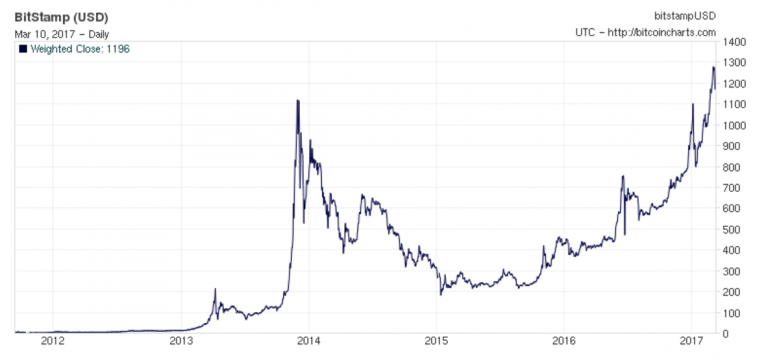
Bitcoin price usd record high marks a thrilling chapter in the cryptocurrency saga, captivating investors and enthusiasts alike. Over the years, Bitcoin’s value has experienced dramatic surges and declines, shaped by various factors ranging from market sentiment to global economic changes.

This article delves into the historical context of Bitcoin’s pricing, the elements influencing its fluctuations, and predictions for its future trajectory. With insights from technical analyses and comparisons with other cryptocurrencies, we’re set to explore the nuances of Bitcoin’s record highs and their impact on the financial landscape.

Historical Context of Bitcoin Price

The journey of Bitcoin’s price since its inception in 2009 has been nothing short of extraordinary. From its humble beginnings, where it was valued at merely a few cents, to reaching record highs in recent years, Bitcoin’s price evolution reflects a blend of technological advancement and market dynamics. This section delves into the milestones that have defined Bitcoin’s pricing history, highlighting how significant events have played a pivotal role in its fluctuations.

Evolution of Bitcoin Prices

Bitcoin’s price trajectory has been marked by several key milestones:

  • 2009: Bitcoin is launched with an initial value of $0.
  • 2010: The first real-world transaction occurs when a programmer buys two pizzas for 10,000 BTC, marking Bitcoin’s first recorded price at approximately $0.003.
  • 2013: Bitcoin crosses the $1,000 mark for the first time, fueled by increased media attention and market interest.
  • 2017: A massive surge sees Bitcoin reaching nearly $20,000 in December, driven by FOMO and a leap in retail investor participation.
  • 2021: Bitcoin hits an all-time high of around $64,000 in April, with institutional adoption and the growing acceptance of cryptocurrencies contributing to this peak.

Significant events, such as regulatory announcements and technological upgrades, have consistently impacted Bitcoin’s price. For instance, the announcement of regulatory frameworks in various countries often leads to price volatility, while technological advancements like the Lightning Network have bolstered investor confidence.

Timeline of Major Price Highs and Lows

To better understand the volatility of Bitcoin pricing, here’s a timeline of significant highs and lows since its inception:

Year Event Price (USD)
2010 First recorded Bitcoin transaction $0.003
2013 Bitcoin reaches $1,000 $1,000
2017 Bitcoin hits nearly $20,000 $19,783
2020 Bitcoin price rises again to $40,000 $40,000
2021 All-time high of around $64,000 $64,000

Factors Influencing Bitcoin Price

Numerous factors converge to influence Bitcoin’s price, shaping its market dynamics and investor behavior. Understanding these factors is crucial for any prospective investor or enthusiast looking to navigate the cryptocurrency landscape effectively.

Key Economic and Political Factors

Bitcoin pricing is profoundly affected by both economic conditions and political events. The following elements play a significant role:

  • Inflation and currency devaluation often lead investors to seek alternative assets like Bitcoin.
  • Global economic uncertainties, such as recessions or trade wars, can drive demand for cryptocurrencies as a hedge.
  • Political stability or instability can impact investor sentiment towards Bitcoin.

Market Demand and Investor Sentiment

Market demand and investor sentiment are pivotal in determining Bitcoin’s price. During bullish trends, enthusiasm among investors can lead to increased buying pressure, pushing prices higher. Conversely, bearish trends often result in panic selling, causing prices to plummet. Social media and influential figures in the cryptocurrency space frequently mold public perception, further affecting market sentiment.

Impact of Regulatory Changes

Regulatory changes can have immediate and far-reaching effects on Bitcoin price trends. For example, when major economies announce regulations regarding cryptocurrency usage and trading, it can lead to price surges or declines. Investors tend to react to news of government crackdowns with caution, often resulting in price dips, while positive regulatory developments can boost market confidence.

Technical Analysis of Bitcoin Price Trends

Technical analysis offers tools and methods to forecast Bitcoin price movements based on historical data and chart patterns. This section explores common techniques utilized by traders and analysts to interpret Bitcoin’s price trends.

Overview of Technical Analysis Tools

Traders use various technical analysis tools to gain insights into price movements. Some of these tools include:

  • Moving Averages: Help smooth out price data to identify trends.
  • Relative Strength Index (RSI): Indicates whether an asset is overbought or oversold.
  • Bollinger Bands: Show price volatility and potential market reversals.

Application of Moving Averages

Moving averages are crucial for predicting Bitcoin’s price movements. The two primary types are:

  • Simple Moving Average (SMA): Calculates the average price over a specific period.
  • Exponential Moving Average (EMA): Gives more weight to recent prices, making it more responsive to new information.

Traders often look for crossovers between different moving averages to signal buying or selling opportunities.

Comparison of Chart Patterns

Bitcoin’s price history features distinct chart patterns that traders analyze for potential outcomes. Some notable patterns include:

  • Head and Shoulders: Signals potential trend reversals.
  • Flags and Pennants: Indicate continuation patterns after strong price movements.
  • Double Tops and Bottoms: Suggest market reversals after peaks or troughs.

Market Reactions to Record Highs

Bitcoin’s record highs often trigger significant reactions across the cryptocurrency market, influencing trading behaviors and investor strategies. Understanding these market reactions can provide valuable insights for traders.

Influence of Record Highs on Market Behavior

Historical data shows that Bitcoin’s peaks typically lead to increased trading volumes and heightened market activity. When Bitcoin reaches new heights, it often attracts more media coverage and retail investors, creating a buzz that can lead to further price increases.

Insights on Trading Volumes During Highs

During record-high periods, trading volumes tend to spike significantly. This increase can be attributed to:

  • New investors entering the market driven by FOMO.
  • Existing investors taking profits or reinvesting funds.
  • Increased speculative trading as traders capitalize on momentum.

Investor Strategies During Price Peaks

Investors often adopt various strategies during Bitcoin price peaks, including:

  • Taking profits by selling portions of their holdings to capitalize on gains.
  • Setting stop-loss orders to minimize potential losses if prices begin to decline.
  • Utilizing options trading to hedge against possible downturns.

Future Predictions for Bitcoin Price

As Bitcoin continues to evolve, various experts offer predictions regarding its future price movements. Analyzing these forecasts can provide valuable context for potential investors.

Expert Predictions Based on Current Trends

Experts have varying predictions for Bitcoin’s price trajectory based on current market trends. Many cite factors such as institutional adoption and macroeconomic conditions as driving forces behind their forecasts.

Methodologies for Price Forecasting

Price forecasting methodologies in the cryptocurrency market often include:

  • Technical analysis based on historical price data and patterns.
  • On-chain analysis that examines blockchain data, such as transaction volumes.
  • Sentiment analysis that gauges market mood through social media and news trends.

Comparison of Analysts’ Predictions for the Next Five Years

Analyzing various analysts’ predictions provides a comprehensive overview of potential Bitcoin price movements. Below is a table comparing different forecasts:

Analyst 2024 Prediction (USD) 2025 Prediction (USD) 2026 Prediction (USD)
Analyst A $100,000 $150,000 $200,000
Analyst B $75,000 $120,000 $180,000
Analyst C $90,000 $130,000 $160,000

The Psychological Impact of Record Highs

The psychological effects of Bitcoin’s record highs cannot be underestimated. Investor behavior often shifts dramatically during these peaks, influenced by emotional and psychological factors.

Psychological Factors Affecting Investor Decisions

During record highs, many investors experience a mix of excitement and anxiety. This emotional state can lead to hasty decisions, as fear of missing out (FOMO) prompts individuals to buy impulsively.

Relevance of FOMO to Bitcoin Investment

FOMO is a powerful motivator in the cryptocurrency space. As Bitcoin prices surge, the fear of missing out on potential profits drives many to invest without thoroughly analyzing market conditions, often leading to regret when prices eventually correct.

Influence of Media Coverage on Public Perception

Media coverage plays a crucial role in shaping public perception of Bitcoin. Positive news can spur interest and investment, while negative coverage can create skepticism and hesitation among potential buyers. The impact of media narratives on Bitcoin pricing is evident during times of heightened volatility, where public sentiment can drastically shift.

Bitcoin Price in the Global Economy

Bitcoin’s pricing dynamics extend beyond the cryptocurrency market, influencing and being influenced by the global economy. Understanding this relationship is vital as Bitcoin continues to gain traction as an asset class.

Relationship Between Bitcoin Price and Traditional Financial Markets

The correlation between Bitcoin price and traditional financial markets, such as stocks and commodities, is a subject of ongoing study. Many analysts observe that Bitcoin often behaves like a risk asset, reacting similarly to market trends and economic news.

Impact of Bitcoin Pricing on Economic Policies

Countries are increasingly considering the implications of Bitcoin pricing on their economic policies. For instance, countries with high inflation rates may see Bitcoin adoption as a means of preserving wealth, while central banks may adjust policies in response to Bitcoin’s growing market influence.

Implications of Bitcoin Pricing on Global Economic Trends

As Bitcoin continues to rise in prominence, its pricing dynamics could impact global economic trends. Increased adoption of Bitcoin may lead to shifts in investment strategies, monetary policy considerations, and even the way economic growth is measured in digital asset terms.

Comparisons with Other Cryptocurrencies

Bitcoin often sets the benchmark for the cryptocurrency market, but how does it compare with other cryptocurrencies? This section explores the pricing trends of Bitcoin in relation to its major counterparts.

Comparison of Bitcoin Price Trends with Other Major Cryptocurrencies

When analyzing Bitcoin’s performance against other cryptocurrencies, it is evident that Bitcoin consistently maintains a leading position:

  • Bitcoin typically enjoys higher market capitalization compared to altcoins.
  • Bitcoin’s price movements often precede trends in other cryptocurrencies, known as “Bitcoin dominance.”

Reasons Behind Bitcoin’s Leadership in Pricing

Several factors contribute to Bitcoin’s leadership status:

  • First-mover advantage as the original cryptocurrency.
  • Widespread acceptance and recognition as a digital asset.
  • Established network effect that bolsters its security and value.

Impact of Bitcoin’s Record Highs on the Overall Cryptocurrency Market

Bitcoin’s record highs have a ripple effect throughout the cryptocurrency market. Increased interest in Bitcoin typically leads to higher prices across altcoins as investors diversify their holdings, often resulting in a bullish market trend following Bitcoin’s price surges.

Concluding Remarks

In conclusion, understanding the dynamics surrounding bitcoin price usd record high not only illuminates past trends but also prepares us for future possibilities. As Bitcoin continues to evolve in response to market conditions and investor psychology, staying informed will be crucial for anyone looking to navigate this fascinating financial frontier.

FAQ Resource

What factors contribute to Bitcoin’s price fluctuations?

Bitcoin’s price is influenced by market demand, investor sentiment, regulatory changes, and economic conditions.

How does Bitcoin compare to other cryptocurrencies during record highs?

Bitcoin often leads in price and market behavior, significantly impacting the overall cryptocurrency market.

What is the role of technical analysis in forecasting Bitcoin prices?

Technical analysis uses historical price data and chart patterns to predict future price movements.

How do record highs affect investor behavior?

Record highs can trigger fear of missing out (FOMO) among investors, leading to increased buying activity.

What are expert predictions for Bitcoin’s future price?

Experts have varying predictions for Bitcoin’s future price, often based on market trends and economic indicators.

Bitcoin price by day provides a fascinating exploration of the world’s leading cryptocurrency, revealing the intricate dynamics that influence its daily fluctuations. As the digital currency landscape evolves, understanding Bitcoin’s daily price trends becomes essential for investors and enthusiasts alike. This narrative delves into historical movements, significant factors affecting price changes, and the broader market context that shapes these daily shifts.

From examining key economic indicators to exploring the impact of regulatory announcements, this discussion paints a comprehensive picture of Bitcoin’s value in real-time. With insights into trading volumes, investor behavior, and predictive models, readers will gain a well-rounded understanding of how Bitcoin price movements unfold day by day.

Daily Bitcoin Price Trends

Bitcoin, the pioneering cryptocurrency, has garnered significant attention since its inception. Its price is known for substantial volatility, which can be influenced by various market factors, regulatory news, and broader economic trends. Understanding daily price trends can provide insights into market behavior and potential investment strategies.The historical daily price movements of Bitcoin reveal a pattern characterized by sharp rises and falls, reflecting both market enthusiasm and fear.

Over the past month, Bitcoin’s price has shown varied fluctuations, illustrating the dynamic nature of the cryptocurrency market. Analyzing this data can help investors make informed decisions.

Bitcoin Price Fluctuations Over the Past Month

The past month has demonstrated notable volatility in Bitcoin prices, influenced by factors such as market sentiment and macroeconomic developments. Below is a detailed breakdown of Bitcoin’s daily prices, capturing the essence of its fluctuations.

Date Price (USD) Percentage Change (%)
2023-09-01 $26,500
2023-09-02 $27,300 3.02%
2023-09-03 $27,800 1.83%
2023-09-04 $26,900 -3.22%
2023-09-05 $27,500 2.23%
2023-09-06 $28,150 2.37%
2023-09-07 $27,900 -0.88%
2023-09-08 $28,500 2.15%
2023-09-09 $29,000 1.75%
2023-09-10 $28,600 -1.38%
2023-09-11 $29,200 2.09%
2023-09-12 $29,700 1.71%
2023-09-13 $30,500 2.69%
2023-09-14 $29,800 -2.30%
2023-09-15 $30,200 1.34%
2023-09-16 $30,800 1.99%
2023-09-17 $30,250 -1.79%
2023-09-18 $31,000 2.48%
2023-09-19 $31,500 1.61%
2023-09-20 $32,000 1.59%

The table above illustrates the daily prices and percentage changes in Bitcoin over the past month. Each entry reflects Bitcoin’s inherent volatility, noting significant daily shifts influenced by market news, investor sentiment, and external economic indicators. Such data is critical for anyone looking to navigate the cryptocurrency market effectively, highlighting both opportunities and risks.

“Bitcoin’s price behavior is a reflection of market dynamics, capturing both the optimism and uncertainty prevalent among investors.”

Factors Influencing Daily Bitcoin Prices

Bitcoin’s daily price fluctuations are a reflection of various economic indicators, market sentiments, and external events. Understanding these factors can provide insights into the volatility and trends observed in Bitcoin’s valuation. Investors and enthusiasts alike track these elements to make informed decisions in the ever-changing cryptocurrency landscape.Key economic indicators play a significant role in shaping Bitcoin prices from day to day.

Variables such as inflation rates, interest rates, and employment data not only influence traditional markets but also create ripples in the cryptocurrency arena. Additionally, the correlation between Bitcoin and traditional assets is observed more closely as institutional investment in cryptocurrencies increases.

Key Economic Indicators

Several economic indicators are known to impact Bitcoin’s daily valuations. These indicators can signal market trends and help investors anticipate price movements.

  • Inflation Rates: Higher inflation rates typically lead to increased demand for Bitcoin as a hedge against fiat currency devaluation.
  • Interest Rates: Lower interest rates can boost Bitcoin’s attractiveness, as the opportunity cost of holding non-yielding assets decreases.
  • Employment Data: Strong employment figures may bolster economic confidence, influencing the investment in riskier assets like Bitcoin.

Major News Events

News events, both positive and negative, can significantly sway Bitcoin’s price on a daily basis. Market participants often react instantaneously to headlines, which can cause sharp price movements within short time frames.

  • Regulatory Announcements: News concerning government regulations can create uncertainty or confidence, leading to sudden price changes.
  • Technological Developments: Innovations in blockchain technology or Bitcoin’s network can drive investor enthusiasm and push prices higher.
  • Market Manipulation Reports: Allegations or confirmations of market manipulation can lead to panic or distrust, impacting prices adversely.

Market Trends

Daily price changes often correlate with ongoing market trends that signify investor behavior and market psychology. Recognizing these trends can aid traders in making strategic decisions.

  • Volume Trends: Increasing trading volumes often indicate rising interest and can precede upward price movements.
  • Market Sentiment: Analysis of sentiment through social media or news can provide insights into the prevailing mood among investors.
  • Technical Analysis Patterns: Patterns such as support and resistance levels can influence daily trading strategies and subsequent price shifts.

“Understanding the interplay of economic indicators, news events, and market trends is essential for navigating Bitcoin’s daily price volatility.”

Comparative Analysis of Bitcoin Prices

The comparison of Bitcoin prices with other cryptocurrencies provides a valuable perspective on its performance and market dynamics. Understanding how Bitcoin stands in relation to its peers can help investors gauge its stability and trends, as well as assess the overall health of the cryptocurrency market.Bitcoin often serves as a benchmark for comparing daily cryptocurrency prices. Unlike altcoins, which can show more volatility, Bitcoin tends to maintain a more consistent price trajectory over the long term.

This section explores how Bitcoin’s daily price correlates with historical averages and its comparative performance against other major cryptocurrencies, such as Ethereum (ETH) and Binance Coin (BNB).

Daily Price Comparisons Over the Last Year

To illustrate Bitcoin’s price movements relative to other cryptocurrencies, here’s a detailed comparison based on daily averages and historical performance. The following bullet points highlight key observations over the past year:

  • On January 1, 2023, Bitcoin opened at approximately $16,700, while Ethereum was around $1,200 and Binance Coin at $250.
  • By March 15, 2023, Bitcoin had risen to about $26,000, outperforming Ethereum’s price increase to $1,800 and Binance Coin’s rise to $350.
  • In June 2023, Bitcoin reached a peak of $32,000, marking a significant increase compared to its historical average of $20,000 during the same month in the previous year.
  • As of October 1, 2023, Bitcoin’s price stabilized around $28,000, while Ethereum and Binance Coin prices hovered at $1,500 and $300, respectively.
  • Throughout the year, Bitcoin’s volatility remained lower than that of Ethereum and Binance Coin, which experienced sharper fluctuations.
  • Historically, Bitcoin prices around October have averaged around $23,500, making its current price relatively strong compared to past performance.
  • Over the course of the year, Bitcoin consistently maintained a market dominance of over 40%, showcasing its strength in comparison to smaller cryptocurrencies.

Bitcoin’s historical averages often serve as a foundation for predicting future price movements, showcasing its resilience and ability to recover from market downturns.

Predictive Models for Daily Bitcoin Prices

Forecasting daily Bitcoin prices requires sophisticated methods that can analyze vast amounts of data. Various predictive models have emerged, leveraging historical price data and external factors that influence price fluctuations. These models assist traders and investors in making informed decisions based on anticipated market movements.Machine learning algorithms provide a powerful framework for modeling and predicting daily price data. These algorithms can learn from historical price patterns and improve their predictions through continuous exposure to new data.

By identifying trends and anomalies, machine learning can help in generating more accurate forecasts compared to traditional methods.

Types of Predictive Models

Several predictive models are utilized for forecasting daily Bitcoin prices. Each model has unique characteristics that make it suitable for different aspects of price prediction.

  • ARIMA (AutoRegressive Integrated Moving Average): A statistical analysis model that uses historical data to predict future values by examining the relationship between an observation and a number of lagged observations.
  • GARCH (Generalized Autoregressive Conditional Heteroskedasticity): This model accounts for volatility clustering in financial markets, allowing for more accurate predictions during periods of high volatility.
  • Machine Learning Algorithms: Algorithms such as Linear Regression, Decision Trees, and Neural Networks can be trained on Bitcoin price data to predict future prices based on patterns learned from past data.
  • Sentiment Analysis Models: These models analyze social media and news sentiment to gauge public perception and its potential impact on Bitcoin prices.

Application of Machine Learning Algorithms

Machine learning algorithms play a crucial role in predicting Bitcoin prices by processing large datasets efficiently. They can adapt to changes in market conditions and improve predictions over time. Commonly used algorithms include:

  • Linear Regression: A basic model that predicts the dependent variable (Bitcoin prices) based on the relationship with one or more independent variables (such as trading volume or past prices).
  • Support Vector Machines (SVM): A supervised learning model that finds the optimal hyperplane to classify price movements into categories like up or down.
  • Recurrent Neural Networks (RNN): Particularly useful for time series data, RNNs can remember previous inputs and are effective at capturing trends in Bitcoin price movements.
  • Random Forests: This ensemble learning method uses multiple decision trees to generate more accurate predictions by considering various factors influencing prices.

Comparative Analysis of Predicted vs Actual Prices

To understand the effectiveness of predictive models, it’s essential to compare predicted prices against actual prices. Below is a table illustrating a hypothetical comparison of predicted Bitcoin prices for a week alongside the actual closing prices.

Date Predicted Price (USD) Actual Price (USD)
2023-10-01 37,000 36,800
2023-10-02 36,500 36,200
2023-10-03 36,800 37,200
2023-10-04 37,500 37,300
2023-10-05 37,700 38,000

The accuracy of these predictive models can significantly impact trading strategies and investment decisions in the volatile Bitcoin market.

Impact of Volume on Daily Bitcoin Prices

Trading volume is a critical factor in the dynamics of Bitcoin pricing. It reflects the number of coins traded over a specific period and serves as an essential indicator of market activity and sentiment. Increased trading volume often correlates with significant price movements, indicating heightened interest or belief in the asset’s future value. The relationship between trading volume and price volatility is complex yet pivotal for understanding daily price fluctuations.

Generally, higher trading volumes tend to lead to increased price stability, as the market can absorb larger trades without drastic impacts on prices. Conversely, lower trading volumes can result in heightened volatility, where even small trades can cause significant price swings.

Relationship Between Daily Trading Volume and Price Volatility

Daily trading volume is crucial for assessing price stability in the Bitcoin market. When trading volume is robust, it typically implies a liquid market where assets can be bought or sold easily without substantial price changes. In contrast, low trading volume can lead to an illiquid market, where even minor buying or selling activity can lead to exaggerated price shifts due to the lack of participants.To illustrate this relationship, consider the following table that presents daily trading volumes alongside their corresponding price movements:

Date Trading Volume (BTC) Price Movement (%)
2023-10-01 10,000 2.5
2023-10-02 15,000 1.2
2023-10-03 5,000 5.0
2023-10-04 20,000 0.5
2023-10-05 8,000 4.1

In this table, there is a noticeable trend where lower trading volumes on certain days correlate with higher price movements, indicating increased volatility. For example, on October 3rd, a trading volume of 5,000 BTC led to a significant price movement of 5%. This suggests that when fewer participants are actively trading, each transaction carries more weight in the price determination process.

On the other hand, days with higher volumes, such as October 4th, show a muted price movement of just 0.5%, reflecting greater market stability. This highlights the importance of trading volume as a key variable in understanding Bitcoin’s price behavior on a daily basis.

Higher trading volumes typically lead to greater price stability, while lower volumes can exacerbate price volatility.

Investor Behavior and Daily Price Movements

Investor sentiment plays a crucial role in the daily price movements of Bitcoin, driven largely by social media interactions and public discussions. The rapid spread of information and opinions on platforms like Twitter, Reddit, and various cryptocurrency forums directly impacts investor perceptions and decisions. Consequently, a single tweet from a well-known figure or a trending discussion can lead to notable price fluctuations, illustrating the correlation between social media sentiment and market behavior.Investor behavior can be analyzed through various behavioral finance concepts, which help to explain the psychology behind daily trading in Bitcoin.

These concepts provide insights into how emotions and cognitive biases influence trading decisions, often leading to irrational market movements. In the highly volatile cryptocurrency market, such behavioral patterns can amplify price swings, making it essential for traders to understand these psychological underpinnings.

Psychological Factors Influencing Daily Price Decisions

Several psychological factors significantly influence daily price decisions in the Bitcoin market. Understanding these factors can help investors navigate the complexities of price movements. Below is a structured list of key psychological influences:

Herd Behavior

Investors often follow the crowd, purchasing Bitcoin when they see others doing so, regardless of their personal analysis. This can lead to rapid price increases or decreases based on collective sentiment.

Fear of Missing Out (FOMO)

This emotional response drives investors to act quickly to avoid missing potential profits. FOMO can cause irrational buying sprees following a price spike, further inflating prices.

Loss Aversion

Investors tend to prefer avoiding losses over acquiring equivalent gains. This can lead to panic selling when prices fall, exacerbating market downturns.

Confirmation Bias

Traders often seek information that confirms their pre-existing beliefs about Bitcoin, potentially ignoring contradictory data that could inform better decision-making.

Overconfidence

Many investors overestimate their knowledge or ability to predict market movements, which can lead to reckless trading decisions and increased market volatility.

Anchoring

Investors may latch onto specific price points or news as reference points, which can skew their perceptions and lead to misguided trading strategies.Understanding these psychological factors helps investors recognize their tendencies and make more informed decisions in the rapidly changing landscape of Bitcoin trading. By acknowledging how sentiment and cognitive biases affect behavior, traders can better navigate market fluctuations and improve their investment strategies.

Regulatory Impact on Daily Bitcoin Prices

Bitcoin price hits K for the first time in nearly 2 years

Regulatory actions can significantly affect the trading behavior and price movements of Bitcoin on a daily basis. Investors often respond swiftly to news regarding regulatory changes, which can lead to volatility in the market. Understanding how these regulations shape daily price trends is vital for both traders and investors looking to navigate the crypto landscape.Regulatory announcements can instigate immediate reactions in the Bitcoin market.

When governments introduce new policies or regulations regarding cryptocurrency trading, these developments often lead to price fluctuations. For instance, positive regulatory news might lead to price surges as investor confidence increases, whereas negative news can lead to sharp declines as traders respond to perceived risks.

Key Regulatory Events and Their Corresponding Price Reactions

To illustrate the influence of regulatory events on Bitcoin prices, the following table highlights significant announcements and the corresponding market reactions observed in Bitcoin’s trading price.

Regulatory Event Date Price Reaction
China’s Ban on Cryptocurrency Exchanges September 2017 Bitcoin price dropped from $4,000 to $3,000 within days
SEC’s Approval of Bitcoin ETFs October 2021 Bitcoin surged from $40,000 to $60,000 over two weeks
El Salvador’s Adoption of Bitcoin as Legal Tender September 2021 Price increased from $43,000 to $52,000 shortly after
India’s Proposed Cryptocurrency Regulation December 2021 Price fell from $50,000 to $42,000 in one week

Market reactions to regulatory news can be swift and significant. It’s important for investors to keep an eye on regulatory developments, as they can create both opportunities and risks in the constantly evolving cryptocurrency market. Understanding these dynamics can help traders make informed decisions and anticipate potential price movements based on regulatory announcements.

Ultimate Conclusion

In conclusion, the exploration of Bitcoin price by day not only highlights the volatility and complexity of cryptocurrency trading but also underscores the importance of staying informed about market influences. By keeping a close eye on daily trends, investors can better navigate the challenges and opportunities presented by Bitcoin. As the digital currency continues to capture global attention, understanding its daily price movements will remain crucial for anyone looking to engage with this exciting financial frontier.

Answers to Common Questions

What factors can cause significant daily price changes in Bitcoin?

Factors such as major news events, regulatory announcements, and fluctuations in trading volume can lead to significant daily price changes in Bitcoin.

How can I track Bitcoin prices on a daily basis?

You can track Bitcoin prices daily through various cryptocurrency exchanges, financial news websites, and dedicated market analysis platforms.

What role does social media play in influencing Bitcoin prices?

Social media can significantly influence investor sentiment, leading to increased buying or selling pressure that affects Bitcoin’s daily price movements.

How do predictive models work for Bitcoin price forecasting?

Predictive models analyze historical data, market trends, and other variables to forecast future price movements, often utilizing machine learning techniques to improve accuracy.

What is the importance of trading volume in Bitcoin’s daily price analysis?

Trading volume is crucial as it can indicate market interest and liquidity; higher volumes often correlate with higher price volatility.

The bitcoin value calculator serves as an essential tool for both novice and seasoned traders venturing into the world of cryptocurrency. This calculator enables users to quickly determine the current value of Bitcoin based on real-time market data, allowing for informed trading decisions. With features such as live conversion rates and user-friendly interfaces, these calculators simplify the often complex world of crypto trading.

Understanding how these calculators work is crucial for anyone looking to navigate the volatile cryptocurrency market. They not only help in evaluating potential investments but also highlight the importance of accuracy in financial calculations.

Introduction to Bitcoin Value Calculators

Bitcoin Calculator - Pikkovia

Bitcoin value calculators serve as essential tools for individuals and traders in the cryptocurrency market. They simplify the process of determining the current value of Bitcoin in various currencies, allowing users to make informed decisions regarding their investments. By inputting specific amounts of Bitcoin, users can quickly gauge its worth, enabling more strategic trading and investment planning.These calculators typically include several common features designed to enhance user experience and accuracy.

Users can expect functionalities such as real-time price updates, historical data analysis, conversion options between different currencies, and graphical representations of price trends. These features play a crucial role in helping users stay up-to-date with Bitcoin’s fluctuating market value, enhancing their confidence in making trading decisions.

Common Features of Bitcoin Value Calculators

Understanding the features of Bitcoin value calculators can significantly aid users in maximizing their trading efficiency. The following points elaborate on various functionalities typically found in these calculators:

  • Real-Time Price Updates: Ensures users have access to the latest Bitcoin market prices, which are crucial for timely decision-making.
  • Conversion Options: Allows users to convert Bitcoin values into various fiat currencies or other cryptocurrencies, catering to a global audience.
  • Historical Data Analysis: Provides insights into past price movements, aiding users in identifying patterns and making predictions based on historical performance.
  • Graphical Price Trends: Visual representations of price changes over time help users understand market dynamics at a glance.

Importance of Accurate Calculations in Cryptocurrency Trading

In the fast-paced world of cryptocurrency trading, precision is paramount. Accurate calculations can directly influence trading strategies and investment outcomes. Investors relying on incorrect or outdated figures risk making poor decisions, potentially leading to losses. Therefore, using a reliable Bitcoin value calculator is essential for mitigating risks associated with market volatility.

“In cryptocurrency trading, even small discrepancies in value can lead to significant financial impacts.”

Examples of this can be observed in trading scenarios where traders misjudge the value of Bitcoin based on incorrect data, leading to ill-timed trades. For instance, if a trader believes Bitcoin is valued at $50,000 while it is actually $52,000, they could miss out on potential profits or incur losses due to their miscalculated transactions. It highlights the importance of utilizing a dependable Bitcoin value calculator to ensure accurate assessments, fostering better trading practices.

How Bitcoin Value Calculators Work

Bitcoin value calculators are essential tools for anyone interested in understanding the fluctuating value of Bitcoin against various currencies. These calculators employ complex algorithms that analyze real-time data and market trends to provide users with accurate and up-to-date conversion rates. By inputting specific parameters, users can easily determine the value of their Bitcoin holdings or the amount they need to invest to acquire a certain quantity of Bitcoin.The functionality of Bitcoin value calculators hinges on sophisticated algorithms designed to process and interpret vast amounts of data.

These algorithms often incorporate historical price data, real-time market feeds, and mathematical models to produce reliable conversion rates. The accuracy of these calculations is significantly influenced by several key data inputs that must be correctly provided by the user.

Data Inputs for Accurate Calculations

To ensure that Bitcoin value calculators yield accurate results, users must provide specific inputs. The primary data inputs needed include:

  • Amount of Bitcoin: The quantity of Bitcoin that the user wishes to evaluate. This input is crucial as it directly affects the final calculated value.
  • Currency Type: The fiat currency (e.g., USD, EUR, GBP) or another cryptocurrency the user wishes to convert to or from. Specifying the correct currency is vital for accurate conversions.
  • Current Market Price: The latest market price of Bitcoin, which is often sourced from multiple exchanges. Calculators typically use this figure to perform conversions in real-time.

The importance of these inputs cannot be overstated as they form the foundation of the calculation process. Accurate and timely data inputs lead to precise conversion results, making it essential for users to stay informed about their parameters.

Conversion Rates and Data Sourcing

Conversion rates in Bitcoin value calculators fluctuate frequently, reflecting the dynamic nature of cryptocurrency markets. These rates are not static; they are sourced from multiple cryptocurrency exchanges that track the buying and selling activities of Bitcoin in real time. The process of gathering these rates involves:

  • API Integration: Most calculators utilize Application Programming Interfaces (APIs) to fetch live data from trusted cryptocurrency exchanges. This ensures that users have access to the most current rates.
  • Market Aggregation: Some calculators aggregate data from several exchanges to provide an average conversion rate, which can help mitigate discrepancies caused by variations in prices across different platforms.
  • Historical Data Analysis: In addition to live data, some calculators also analyze historical price trends to provide context and assist with predictions or value assessments.

“Accurate conversion rates are crucial for making informed decisions in the fast-paced world of cryptocurrency.”

The mechanisms that drive Bitcoin value calculators are designed to ensure users receive dependable information, allowing them to navigate their Bitcoin investments effectively.

Types of Bitcoin Value Calculators

Bitcoin value calculators come in various forms, each designed to cater to specific needs of users looking to gauge the worth of their Bitcoin holdings. These tools not only help users convert Bitcoin to fiat currencies but also provide insights into market trends, historical values, and potential future scenarios. Understanding the different types of calculators available can help users choose the right tool for their needs.Bitcoin value calculators differ in functionality based on the specific features they offer.

Some calculators focus solely on currency conversion, while others provide a more comprehensive analytical approach, including investment tracking, market statistics, and portfolio management. Below are some notable types of Bitcoin value calculators and how they differentiate in terms of functionality.

Conversion Calculators

Conversion calculators are the most basic type, providing a straightforward way to convert Bitcoin into various fiat currencies and other cryptocurrencies. Users input the amount of Bitcoin they wish to convert, and the calculator displays the equivalent value based on current exchange rates. These calculators usually have user-friendly interfaces, allowing for quick conversions without requiring extensive knowledge of the cryptocurrency market.

Portfolio Trackers

Portfolio trackers are designed for users who hold multiple cryptocurrencies, including Bitcoin. These calculators allow users to input their entire cryptocurrency portfolio and track its overall value over time. The interface usually provides detailed charts and graphs to visualize profits or losses, as well as historical price data. A good portfolio tracker often includes alerts for price changes and market news updates, enhancing the user experience significantly.

Investment Calculators

Investment calculators help users analyze potential returns on their Bitcoin investments. By inputting variables like the amount invested, duration of investment, and expected annual return rate, users can forecast future earnings. These calculators often feature more complex interfaces with graphs showing potential profit trajectories based on different market conditions. They can be particularly useful for users looking to strategize their investments.

Mining Profitability Calculators

For those interested in Bitcoin mining, mining profitability calculators are essential. These calculators consider factors such as hash rate, energy costs, and hardware efficiency to estimate potential returns from mining Bitcoin. The user interface typically includes input fields for energy consumption and costs, making it easy for miners to assess whether mining is a lucrative venture for them.

Historical Data Calculators

Historical data calculators focus on providing users with insights into Bitcoin’s price history over specific periods. Users can analyze price trends, compare historical values with current prices, and understand market fluctuations. The interfaces of these calculators are often rich in data visualization, showcasing timelines and comparative graphs that can help users make informed decisions based on past performance.

Benefits of Using Bitcoin Value Calculators

Bitcoin value calculators serve as essential tools for investors and traders aiming to navigate the volatile cryptocurrency market. These calculators provide quick and accurate estimations of Bitcoin’s value in various currencies, making it easier to make informed trading decisions. With the rapid fluctuations in Bitcoin’s price, having access to reliable data at your fingertips can significantly enhance your trading strategy.By leveraging Bitcoin value calculators, users benefit from increased efficiency and accuracy in their trading practices.

These calculators eliminate the need for cumbersome manual calculations, allowing traders to focus on analyzing market trends and making timely decisions. The ability to quickly assess Bitcoin’s current value and potential returns provides a competitive edge in the fast-paced world of cryptocurrency trading.

Assisting in Informed Trading Decisions

Using Bitcoin value calculators equips traders with the necessary insights to make data-driven decisions. These tools deliver real-time updates on Bitcoin’s value, ensuring that users are always informed about current market conditions. This information can be crucial when deciding to invest, as it helps traders identify the optimal times to buy or sell based on market trends.For example, when Bitcoin’s price shows a significant uptrend, users can quickly calculate potential gains by inputting their investment amounts into the calculator.

The resulting data can indicate whether it’s the right moment to capitalize on the upward movement. Having access to these insights allows traders to minimize risks and maximize returns effectively.

Time-Saving Benefits for Investors and Traders

Time efficiency is a significant advantage of using Bitcoin value calculators. With the cryptocurrency market constantly evolving, every second counts in making trading decisions. Manually calculating Bitcoin’s value against other currencies can be tedious and prone to errors. By using a calculator, traders can instantly obtain accurate results, saving valuable time that can be redirected towards analyzing market trends or exploring new investment opportunities.The ability to perform multiple calculations in a matter of seconds allows users to evaluate different scenarios and decide on the best course of action without the hassle of manual computation.

This time-saving feature is especially beneficial during peak trading hours when market activity intensifies and swift decisions are paramount.

Advantages Over Manual Calculations

While manual calculations may seem straightforward, they carry risks and limitations that Bitcoin value calculators effectively mitigate. Utilizing a calculator ensures precision and reduces the likelihood of human error, which can significantly impact trading outcomes.Here are key advantages of using Bitcoin value calculators compared to manual calculations:

  • Instantaneous results: Calculators provide immediate value assessments, whereas manual calculations require time and effort.
  • Accuracy: Calculators minimize the risk of miscalculations that can arise from incorrect arithmetic or currency conversions.
  • User-friendly interface: Most calculators are designed for ease of use, requiring only basic inputs to generate outputs, making them accessible to both novice and experienced traders.
  • Multi-currency support: Calculators can quickly convert Bitcoin’s value across various currencies without the need to research or perform separate conversions manually.

By embracing Bitcoin value calculators, traders can enhance their efficiency, ensure accuracy, and ultimately improve their overall trading experience.

Limitations of Bitcoin Value Calculators

While Bitcoin value calculators are invaluable tools for traders and investors, they come with notable limitations that can affect their reliability and usability. Understanding these limitations helps users make informed decisions when relying on these calculators for investment strategies or market analysis.Market volatility is a defining characteristic of Bitcoin and can significantly impact the accuracy of value calculations. The fluctuating nature of Bitcoin prices means that a value calculator may provide outdated or inaccurate insights if it relies on prices that change rapidly.

This volatility can lead to discrepancies in expected returns or actual market conditions, making it crucial for users to consider the timing of the calculations.

Challenges in Calculation Accuracy

Several challenges can affect the accuracy of Bitcoin value calculators, primarily due to market volatility and data sourcing. Recognizing these issues can help users better navigate potential pitfalls.

  • Rapid Price Changes: Bitcoin’s price can swing dramatically within minutes. A calculator that does not update in real-time may reflect an outdated value, leading users to make decisions based on inaccurate information.
  • Market Liquidity: Different exchanges may show varying prices for Bitcoin due to differences in liquidity. A calculator that aggregates data from multiple exchanges can sometimes provide an average that doesn’t accurately represent the price on a specific platform, which users may rely on for transactions.
  • Currency Conversion Rates: Many calculators offer conversions from Bitcoin to various fiat currencies. The exchange rates used can differ by source and may not reflect the most current rates, resulting in calculation errors.

Data Sourcing and Update Errors

The reliability of a Bitcoin value calculator heavily depends on the sources of the data it uses. If there are errors in the data sourcing process, the results produced by the calculator can be misleading.

  • API Reliability: Bitcoin calculators often rely on APIs from exchanges to fetch price data. If an API goes down or experiences delays, the calculator may display incorrect values or fail to update altogether.
  • Data Lag: Even when data sources are reliable, there can be a lag in the reporting of new prices. This delay can lead to significant inaccuracies, especially during periods of high trading volume or volatility.
  • Limited Historical Data: Some calculators may not provide sufficient historical data to assess trends or predict future prices accurately. Without a comprehensive dataset, users may miss critical insights necessary for sound decision-making.

Recommended Bitcoin Value Calculators

Bitcoin value calculators play a crucial role for investors and enthusiasts by providing insights into Bitcoin’s value across various metrics. With the ever-fluctuating nature of Bitcoin’s price, using reliable calculators can help one make informed decisions regarding investments or transactions.In this section, we will look at some of the top-rated Bitcoin value calculators available, each with its unique features, advantages, and limitations.

Understanding these tools will help you choose the right one to suit your needs.

Top-Rated Bitcoin Value Calculators

Here is a selection of popular Bitcoin value calculators that are highly regarded in the crypto community. Each calculator comes with its strengths and weaknesses, making them suitable for different types of users.

  1. CoinMarketCap Bitcoin Calculator

    This user-friendly calculator allows you to convert Bitcoin to any fiat currency and vice versa. It provides real-time market data and historical price charts.

    Pro: Reliable source with updated prices. Con: Limited to basic conversions without advanced analysis features.

  2. CoinGecko Bitcoin Calculator

    CoinGecko offers a comprehensive calculator that tracks Bitcoin prices and market trends. It includes tools for price conversion, portfolio tracking, and much more.

    Pro: Extensive data and analytics. Con: Can be overwhelming for beginners due to its many options.

  3. Bitcoin.com Wallet Calculator

    This calculator is integrated into the Bitcoin.com wallet, allowing users to convert Bitcoin to other cryptocurrencies and fiat currencies easily.

    Pro: Direct integration with a wallet for easy transactions. Con: Limited to users of the Bitcoin.com wallet.

  4. Investopedia Bitcoin Value Calculator

    Investopedia’s calculator is designed for those who want to understand Bitcoin’s value based on historical data, market trends, and projections.

    Pro: Educational resources and analysis available. Con: May not provide real-time data as quickly as others.

  5. Blockchair Bitcoin Calculator

    Blockchair is a versatile tool for Bitcoin value calculations that also includes additional features like transaction history analysis and blockchain exploration.

    Pro: In-depth data and analytics. Con: Might be too complex for casual users.

Comparison of Unique Features

To further assist in selecting a suitable Bitcoin value calculator, here’s a comparison table highlighting the unique features of each tool.

Calculator Real-time Data Portfolio Tracking Historical Analysis Integration with Wallet
CoinMarketCap Yes No Yes No
CoinGecko Yes Yes Yes No
Bitcoin.com Wallet Yes No No Yes
Investopedia No No Yes No
Blockchair Yes No Yes No

This overview presents a clear insight into several Bitcoin value calculators, allowing users to choose the one that aligns with their specific requirements and preferences.

How to Use a Bitcoin Value Calculator

To effectively utilize a Bitcoin value calculator, it’s essential to understand its functionality and interpret the results accurately. These calculators are designed to simplify the process of determining the current value of Bitcoin based on market fluctuations and various user inputs. This guide will provide you with a straightforward approach to using a Bitcoin value calculator, making it accessible for beginners and seasoned users alike.

Step-by-Step Guide for Using a Bitcoin Value Calculator

Using a Bitcoin value calculator involves several straightforward steps. This guide will help you navigate the process smoothly:

  1. Select a Reliable Calculator: Choose a reputable Bitcoin value calculator from a trusted website. Popular options include CoinMarketCap, CoinGecko, and various cryptocurrency exchanges.
  2. Input the Amount of Bitcoin: Enter the amount of Bitcoin you wish to convert. This could be a fraction (like 0.1 BTC) or a complete coin (1 BTC).
  3. Choose Your Currency: Select the currency you want to convert into, such as USD, EUR, or another fiat currency. Most calculators provide a drop-down menu for easy selection.
  4. Click on Calculate: Once you’ve entered the required information, click the calculate button to generate the conversion result.
  5. Review the Results: The calculator will display the equivalent value of your Bitcoin amount in the selected currency. Take note of the exchange rate displayed, as it indicates the current market rate.

Interpreting the Results

Understanding the results provided by the calculator is crucial for making informed decisions about Bitcoin transactions. Here’s how to interpret the output effectively:

“The value displayed represents the real-time market worth of your Bitcoin based on the latest trading data.”

When the calculator presents a value, it typically includes the following:

  • Converted Amount: This indicates how much your Bitcoin is worth in the selected currency. For example, if you input 1 BTC and the calculator shows $50,000, that means 1 Bitcoin equals $50,000 at that moment.
  • Exchange Rate: The rate at which Bitcoin is being traded for your selected currency. It’s important to note that this rate can fluctuate rapidly.
  • Fees: Some calculators may include potential transaction fees, providing an estimate of what you might pay or receive if you were to execute a trade.

Data Entry Tips for Beginners

Entering data accurately is vital for getting reliable results. Here are some simple tips to ensure you’re entering the right information:

  • Double-Check Amounts: Always verify the amount of Bitcoin you’re entering. A small error can lead to significant discrepancies in value.
  • Keep Current Values in Mind: Bitcoin is known for its volatility. Ensure you’re using the latest market data to get the most accurate figure.
  • Explore Different Currencies: If you’re considering trading or investing in different markets, try calculating values in various currencies to understand how Bitcoin performs globally.

Future Trends in Bitcoin Value Calculation

As technology advances and market dynamics shift, Bitcoin value calculators are set to evolve in exciting ways. With the growing complexities of the cryptocurrency landscape, these tools are increasingly leveraging emerging technologies to enhance their functionality and accuracy. This evolution not only reflects the changing demands of users but also incorporates innovations that can significantly influence how Bitcoin’s value is calculated.

Emerging Technologies Influencing Bitcoin Value Calculators

Several emerging technologies are shaping the future of Bitcoin value calculators, bringing with them enhancements in performance and user experience.

Artificial Intelligence (AI)

AI algorithms can analyze vast datasets in real-time, allowing calculators to incorporate various factors, such as market sentiment and historical price trends, to provide more precise valuations. For instance, machine learning models can identify patterns that traditional models might miss, potentially leading to better predictive analytics.

Blockchain Technology

Blockchain integration can enhance the transparency and reliability of the data used in value calculations. By sourcing real-time data directly from decentralized networks, calculators can minimize discrepancies and provide users with verified information.

Big Data Analytics

The ability to process and analyze large volumes of data helps improve the accuracy of price predictions. By utilizing big data, calculators can factor in a multitude of variables, including economic indicators, social media trends, and trading volumes, to yield more comprehensive assessments.

Improvements in Calculation Accuracy

The quest for improved accuracy in Bitcoin value calculators is driven by the need for reliable investment insights. Innovations in data integration methods and analytical techniques can lead to significant advancements in how these calculators operate.

Enhanced Data Feeds

Utilizing multiple data sources can minimize errors associated with singular data points. By aggregating prices from various exchanges, calculators can present a more balanced view of Bitcoin’s actual market value.

Advanced Algorithms

The use of sophisticated mathematical models can refine the methods used to calculate Bitcoin value. For instance, predictive models that incorporate volatility metrics can adjust the valuation process based on real-time market conditions, making the calculators more responsive to sudden price changes.

User Feedback Loops

Many modern calculators are including adaptive learning features that allow them to learn from user interactions and preferences. This feedback loop can help tailor the outputs to better suit individual investor styles and strategies.

User Demand Shaping Future Tools

User expectations are increasingly driving the evolution of Bitcoin value calculators. As cryptocurrency adoption grows, so does the demand for comprehensive, user-friendly tools that meet diverse investment needs.

Customization Features

Users are seeking calculators that allow for personalized inputs, such as specific investment amounts and unique target prices, enabling tailored projections based on individual strategies.

Mobile Accessibility

With the rise of mobile trading, there is a growing demand for calculators that are optimized for mobile devices. This trend ensures that users can easily access real-time calculations and insights on the go.

Educational Components

Many users are new to Bitcoin investing, prompting a demand for calculators that offer educational resources alongside their functionalities. This trend includes tutorials, FAQs, and glossaries that help users understand the complexities of cryptocurrency valuation.

Integration with Trading Platforms

As more traders look for seamless experiences, there is an increasing expectation for value calculators to integrate directly with trading platforms. This integration provides users with immediate access to valuation data and the ability to execute trades based on those insights.The future of Bitcoin value calculators promises to deliver a more precise and user-centric experience, fueled by advancements in technology and a deeper understanding of user needs.

By embracing these trends, value calculators can evolve into indispensable tools for both novice and experienced investors alike.

Conclusion

In summary, utilizing a bitcoin value calculator can significantly enhance your trading experience by providing timely and accurate information. As the cryptocurrency landscape continues to evolve, these calculators will play an ever-important role in helping traders make informed decisions that align with their investment goals. Embracing these tools will ensure that you stay ahead in the fast-paced world of Bitcoin trading.

General Inquiries

What is a bitcoin value calculator?

A bitcoin value calculator is a tool that helps users determine the current value of Bitcoin based on real-time market data.

How accurate are bitcoin value calculators?

The accuracy of bitcoin value calculators can vary depending on their data sources and the market volatility at the time of calculation.

Can I trust the conversion rates provided?

Yes, as most bitcoin value calculators source their conversion rates from reputable exchanges, but it’s always good to verify with multiple sources.

How often should I check the bitcoin value?

For active traders, checking the bitcoin value frequently is advisable due to the market’s volatility; casual investors may check less often.

Are there mobile apps for bitcoin value calculation?

Yes, there are several mobile apps available that provide bitcoin value calculators for convenient access on-the-go.

The bitcoin rally reversal sets the stage for this enthralling narrative, offering readers a glimpse into a story that is rich in detail and brimming with originality from the outset. In the ever-evolving world of cryptocurrency, understanding the dynamics of rally reversals is crucial for traders and investors alike. These reversals not only signify shifts in market trends but also provide insights into investor sentiment, economic indicators, and the technical patterns that can aid in making informed trading decisions.

Overview of Bitcoin Rally Reversals

In the context of Bitcoin trading, a rally reversal refers to the point at which a strong upward price movement begins to shift direction, typically giving way to a decline. This shift can be critical for traders and investors who are looking to capitalize on market trends or manage risk effectively. Recognizing these reversals allows participants in the cryptocurrency market to make informed decisions, whether they are looking to enter, exit, or safeguard their positions.Historically, Bitcoin has experienced several notable rally reversals, reflecting the volatility and unpredictability inherent in cryptocurrency markets.

One significant instance occurred in December 2017, when Bitcoin reached its all-time high near $20,000 before entering a prolonged bear market, ultimately dropping to around $3,000 by December 2018. Another prominent example was during the summer of 2021, when Bitcoin surged past $60,000, only to experience a subsequent sharp decline to around $30,000 within a few months. Identifying these reversals is crucial, as they can indicate shifts in market sentiment and investor behavior, influencing trading strategies.

Historical Instances of Bitcoin Rally Reversals

Understanding past rally reversals can provide valuable insights into potential future movements. Some of the most significant rally reversals in Bitcoin’s history include:

  • December 2017 High: Bitcoin’s meteoric rise to nearly $20,000 was followed by a dramatic reversal, culminating in a 85% drop over the next year.
  • Mid-2021 Surge: After reaching a peak of around $64,000 in April 2021, Bitcoin experienced a significant sell-off, with prices falling to approximately $30,000 by July 2021.
  • March 2020 Crash: Following the initial outbreak of COVID-19, Bitcoin’s price plummeted to around $4,000, only to rally back to $64,000 over the next year, demonstrating a classic reversal pattern.

Recognizing these patterns can help traders anticipate potential future movements and adjust their strategies accordingly.

“A rally reversal signifies a potential shift in market momentum, serving as a crucial indicator for traders.”

Understanding the significance of these rally reversals not only aids in risk management but also enhances trading strategies. By analyzing historical data and trends, traders can better position themselves to capitalize on future opportunities while mitigating potential losses.

Factors Influencing Bitcoin Rally Reversals

Understanding the factors that influence Bitcoin rally reversals is essential for investors and traders alike. Cryptocurrency markets, being extremely volatile, react to various economic indicators, market sentiments, and regulatory changes. Analyzing these elements can provide valuable insights for predicting potential turnarounds in Bitcoin price movements.

Key Economic Indicators Impacting Bitcoin Prices

Several economic indicators play a crucial role in shaping the price of Bitcoin. Monitoring these metrics can help traders and investors make more informed decisions.

  • Inflation Rates: High levels of inflation often lead investors to seek alternative assets like Bitcoin, driving prices up. For instance, during periods of rising inflation in 2021, Bitcoin experienced significant price increases as it was seen as a hedge against inflation.
  • Interest Rates: Changes in central bank policies, particularly interest rates, can have a pronounced effect on Bitcoin. Lower interest rates tend to decrease the opportunity cost of holding non-yielding assets like Bitcoin, leading to increased demand.
  • Employment Data: Employment statistics can signal economic health. Strong job growth may lead to increased consumer confidence and investment in cryptocurrencies, whereas rising unemployment might have the opposite effect.

Market Sentiment and Its Role in Driving Rally Reversals

Market sentiment is a critical driver of Bitcoin price movements. The psychology of investors can greatly impact buying and selling decisions.

  • Fear and Greed Index: This index measures market sentiment based on various factors, including volatility, market momentum, and social media trends. A high level of greed may indicate a rally is overextended, while fear could suggest a bottoming out.
  • Social Media Trends: Platforms like Twitter and Reddit can amplify market sentiment. Positive discussions can lead to buying frenzies, whereas negative news can trigger sell-offs. For example, when major influencers or media outlets express bullish or bearish views on Bitcoin, it can lead to significant price movements.
  • Investor Behavior: The behavior of large holders, often referred to as “whales,” can influence market directions. If whales accumulate or distribute their holdings, it can lead to either a rally or a reversal.

Regulatory Changes Affecting Bitcoin Markets

Regulatory developments can significantly impact Bitcoin’s price and market dynamics. Understanding these shifts is key for navigating the cryptocurrency landscape.

  • Government Regulations: Announcements regarding the legality of Bitcoin in various jurisdictions can lead to price volatility. For instance, when China intensified its crackdown on cryptocurrency trading in 2021, Bitcoin prices plunged in response.
  • Tax Policies: Changes in how cryptocurrencies are taxed can affect investor sentiment. Favorable tax treatments can encourage investment, while stringent regulations may deter potential buyers.
  • Institutional Adoption: News of institutional investments or endorsements can lead to positive momentum. For example, when major companies like Tesla and MicroStrategy publicly announced their Bitcoin purchases, the price surged significantly.

Technical Analysis of Bitcoin Rally Reversals

In the volatile world of Bitcoin trading, understanding rally reversals is crucial for making informed decisions. Traders utilize various technical analysis techniques to identify potential reversal points in Bitcoin’s price movements. Recognizing these patterns can significantly enhance trading strategies and risk management.Technical analysis involves the evaluation of price movements and trading volumes to forecast future price behavior. When assessing rally reversals in Bitcoin, traders look for specific patterns and signals that indicate a potential change in trend.

These patterns can include head and shoulders formations, double tops, and bearish divergence. Each of these signals provides insights into market sentiment and the likelihood of a reversal.

Patterns and Signals in Rally Reversals

Identifying patterns and signals during rally reversals is essential for traders looking to capitalize on shifts in market dynamics. The following are some key patterns commonly analyzed:

  • Head and Shoulders: This pattern typically indicates a reversal from bullish to bearish. It consists of three peaks: a higher peak (head) between two lower peaks (shoulders).
  • Double Top: Formed after a strong upward trend, a double top signals that the price has attempted to reach a resistance level twice but failed, suggesting a forthcoming reversal.
  • Bullish and Bearish Divergence: Divergence occurs when the price moves in one direction while the indicator (like RSI) moves in the opposite direction, indicating a potential reversal.
  • Fibonacci Retracement Levels: Traders often use Fibonacci retracement levels to identify possible support and resistance zones, which can signal reversal points.

Understanding volume trends is equally important in assessing rally reversals. Volume refers to the number of assets traded during a specific period and serves as a confirmation tool for price movements. High trading volume during a price increase can indicate strong momentum, while decreasing volume during a rally can signal weakening buyer interest, hinting at a potential reversal.

Volume Trends and Their Impact

The relationship between price movements and volume trends is a critical aspect of technical analysis. A rally accompanied by increasing volume typically indicates a strong trend, whereas a rally with declining volume may suggest that the price is losing momentum. Here are key points regarding volume and rally reversals:

  • High Volume Confirmation: A reversal is more likely to be valid if it occurs with high trading volume, signifying strong market conviction.
  • Low Volume Retracement: A price retracement occurring on low volume might not indicate a true reversal, often suggesting a temporary pullback instead.
  • Volume Spikes: Sudden spikes in volume can serve as warning signs of impending reversals, especially when they accompany significant price changes.

Common Technical Indicators for Detecting Reversals

The following table illustrates some of the most common technical indicators used by traders to detect potential rally reversals in Bitcoin:

Indicator Description How It Indicates Reversal
Relative Strength Index (RSI) Measures speed and change of price movements. Values above 70 suggest overbought conditions; below 30 suggest oversold.
Moving Average Convergence Divergence (MACD) Shows the relationship between two moving averages of prices. Crossover of MACD lines can indicate potential reversals.
Bollinger Bands Consists of a middle band (SMA) and two outer bands. Price touching outer bands can signal overbought or oversold conditions.
Stochastic Oscillator Compares a particular closing price of an asset to a range of its prices over a certain period. Values above 80 indicate overbought, while values below 20 indicate oversold conditions.

Technical analysis is an indispensable tool for traders in the Bitcoin market, especially when it comes to identifying rally reversals. Understanding the patterns, volume trends, and various indicators can provide valuable insights and enhance trading strategies, ultimately enabling traders to navigate the complexities of Bitcoin price movements more effectively.

Psychological Aspects of Bitcoin Trading

The world of Bitcoin trading is not just about numbers and charts; it is heavily influenced by the psychological states of traders. Emotions play a significant role during both rallies and subsequent reversals, often leading to decisions that can be detrimental to trading performance. Understanding these psychological factors is crucial for navigating the volatile landscape of cryptocurrency effectively.During a Bitcoin rally, traders are often swept up in euphoria and the fear of missing out (FOMO), which can cloud judgment and lead to impulsive decisions.

Conversely, when a reversal occurs, fear and panic can set in, prompting traders to sell off in haste, often at a loss. These emotional swings can result in a cycle of buying high and selling low, which is counterproductive to successful trading strategies.

Emotional Responses in Trading

The emotional landscape of Bitcoin trading can be complex. Here are the primary emotions traders experience during rallies and reversals:

  • Euphoria: This emotion often peaks during a rally, as prices soar and optimism flourishes. Traders may feel invincible, leading to overconfidence.
  • Panic: Following a peak, a downward reversal can trigger panic selling. Traders fear further losses and often act without rational assessment.
  • Fear of Missing Out (FOMO): FOMO drives traders to enter positions at high prices during rallies, motivated by the belief they’ll miss the opportunity for substantial gains.
  • Regret: After selling during a downturn, traders may feel regret when prices rebound. This can lead to erratic decision-making in future trades.

Understanding these emotional responses is vital for developing a sound trading strategy.

Behavioral Biases in Trading

Traders often exhibit behavioral biases that can skew their decision-making processes. Recognizing these biases is an essential step toward maintaining discipline.

  • Confirmation Bias: Traders may seek out information that confirms their pre-existing beliefs about market trends, disregarding evidence to the contrary.
  • Loss Aversion: This bias causes traders to prefer avoiding losses rather than acquiring equivalent gains, often leading to holding onto losing positions too long.
  • Overconfidence Bias: Traders may overestimate their knowledge and ability to predict market movements, leading to risky trades without sufficient analysis.
  • Anchoring: Traders can become overly attached to specific price levels, using them as reference points that may no longer be relevant in changing market conditions.

Awareness of these biases is crucial for improving trading outcomes.

Strategies for Maintaining Discipline

Maintaining discipline during volatile periods is essential for successful Bitcoin trading. Implementing structured strategies can help traders navigate these emotional highs and lows effectively.

  • Set Clear Goals: Establish specific, measurable, attainable, relevant, and time-bound (SMART) goals for your trading activities. This clarity helps maintain focus, especially during market fluctuations.
  • Develop a Trading Plan: Create a comprehensive trading plan that includes entry and exit points, risk management strategies, and criteria for trade selection.
  • Practice Mindfulness: Incorporate mindfulness techniques to stay calm and focused, helping to mitigate emotional responses during trading sessions.
  • Use Stop-Loss Orders: Implement stop-loss orders to automate selling decisions, preventing emotional panics from influencing your trades.
  • Keep a Trading Journal: Documenting trades, decisions, and emotions can provide insights into behavioral patterns and help improve future strategies.

By adopting these strategies, traders can cultivate resilience against emotional volatility, allowing for more rational decision-making in the fast-paced Bitcoin market.

Case Studies of Bitcoin Rally Reversals

The past decade has witnessed several notable rally reversals in Bitcoin’s market, each marked by distinct circumstances that shaped market dynamics. Analyzing these reversals not only provides insights into Bitcoin’s price behavior but also helps traders understand the patterns and factors that can lead to significant shifts in momentum.One of the most effective ways to illustrate the complexity of Bitcoin rally reversals is through a timeline of significant events.

This timeline reflects various market conditions and external influences that have contributed to notable price reversals over the years.

Notable Bitcoin Rally Reversals

The following case studies highlight key Bitcoin rally reversals that have occurred over the past decade. Each case features a brief overview of the circumstances surrounding the reversal.

  • December 2017 Reversal:
    Bitcoin reached an all-time high of nearly $20,000, driven by unprecedented media coverage and retail investor speculation. The subsequent reversal saw prices fall to around $3,000 by December 2018, largely influenced by regulatory scrutiny and market fatigue.
  • March 2020 Crash:
    Amidst the global pandemic and financial market panic, Bitcoin plummeted from approximately $9,100 to about $4,700 in a matter of days. The rapid recovery that followed saw Bitcoin surge past $10,000 by May 2020, demonstrating the market’s resilience amidst external shocks.
  • April 2021 Peak:
    Following a strong rally in early 2021, Bitcoin’s price reached a high of around $64,000. However, the subsequent sell-off in May 2021, exacerbated by China’s crackdown on mining and environmental concerns, led to a significant reversal, with prices dropping to nearly $30,000 by June.
  • November 2021 Correction:
    Having reached another all-time high close to $69,000, Bitcoin faced a sharp correction in the following months, driven by macroeconomic factors such as inflation fears and tightening monetary policy. By January 2022, Bitcoin’s price had fallen to about $33,000, illustrating a notable shift in investor sentiment.

These examples demonstrate how Bitcoin’s price is influenced by a variety of factors, including market sentiment, regulatory changes, and global economic conditions. Understanding the context of each rally reversal can provide valuable lessons for traders and investors.

Timeline of Significant Rally Reversals

The following timeline summarizes significant rally reversals in Bitcoin’s history, showcasing the evolution of market trends and investor reactions.

Date Event Price Action
December 2017 All-time high near $20,000 Subsequent drop to $3,000 by December 2018
March 2020 COVID-19 market crash Drop from $9,100 to $4,700
April 2021 Peak at $64,000 Drop to $30,000 by June 2021
November 2021 All-time high near $69,000 Correction to about $33,000 by January 2022

These case studies and the accompanying timeline highlight the volatility and complex nature of Bitcoin trading. Understanding past rally reversals is crucial for both new and seasoned investors as they navigate the ever-evolving landscape of cryptocurrency.

Strategies for Trading During Rally Reversals

Bitcoin Price Rally Hits a Wall at K Resistance While FX Traders ...

Trading during rally reversals can be both an exciting and challenging endeavor for investors in Bitcoin and other cryptocurrencies. The volatility inherent in these markets presents both opportunities and risks, making it essential for traders to have effective strategies in place to navigate potential reversals. By utilizing a mix of technical analysis, risk management techniques, and an understanding of psychological factors, traders can position themselves favorably during these market shifts.Effective risk management is crucial when trading during rally reversals, as prices can swing dramatically.

To safeguard capital, traders might consider employing the following techniques:

Risk Management Techniques for Rally Reversals

A robust risk management strategy is essential for minimizing losses and maximizing gains. The following points Artikel specific techniques that traders can implement:

  • Position Sizing: Determine the amount of capital to risk on each trade based on individual risk tolerance and overall portfolio size. A common guideline is to risk no more than 1-2% of the total capital on a single position.
  • Stop-Loss Orders: Use stop-loss orders to automatically sell a position if it reaches a predetermined price. This technique helps cap potential losses and protects against unexpected market movements.
  • Trailing Stops: Implement trailing stops that adjust with the market price. This allows traders to lock in profits while still giving the trade room to grow.
  • Diversification: Avoid putting all capital into a single trade or strategy. Diversifying across various assets or strategies can help mitigate risk during rally reversals.

Designing a trading plan that incorporates potential rally reversal indicators is vital for making informed trading decisions. Effective plans often include:

Trading Plan Components for Rally Reversals

A well-structured trading plan should encompass various elements that signal potential rally reversals. Here are key components to consider:

  • Indicator Selection: Identify and consistently use technical indicators like RSI (Relative Strength Index), MACD (Moving Average Convergence Divergence), and Fibonacci retracements to spot potential reversal points.
  • Entry and Exit Rules: Clearly define the conditions for entering and exiting trades. For example, a trader might decide to enter a long position when the RSI drops below 30 and then crosses above it again.
  • Market Conditions: Analyze broader market conditions, including news events and market sentiment, that could influence price movement and lead to reversals.
  • Review and Adjust: Regularly review the trading plan based on performance and adapt strategies as necessary to improve outcomes.

Different trading styles can be employed to capitalize on rally reversals, and each comes with its own set of advantages and disadvantages. Traders can choose between:

Trading Styles for Capturing Reversals

Selecting a trading style that aligns with one’s personality and objectives is crucial. Here are some prominent styles that can be effective during rally reversals:

  • Day Trading: Involves making multiple trades throughout the day, taking advantage of short-term price movements. This style requires quick decision-making and can lead to substantial profits or losses in a single day.
  • Swing Trading: Focuses on capturing gains over several days or weeks. Swing traders analyze market trends and indicators to identify potential reversal points, allowing for more time to make decisions.
  • Position Trading: Involves holding a position for an extended period, based on long-term analysis. This style is less sensitive to short-term fluctuations and requires patience and a firm belief in the fundamental value of the asset.
  • Scalping: A high-frequency trading strategy that seeks to profit from small price changes. Scalpers often execute numerous trades throughout the day, making use of tight spreads and rapid execution.

Future Outlook for Bitcoin Rally Reversals

As the cryptocurrency market evolves, understanding the future outlook for Bitcoin rally reversals becomes crucial for traders and investors alike. With historical trends, combined with emerging technologies and changing market dynamics, there are several factors to consider that could significantly affect Bitcoin’s price movements in the coming months and years.The future of Bitcoin rally reversals will be influenced by various market conditions, including regulatory changes, macroeconomic factors, and technological advancements.

Each of these elements plays a crucial role in shaping investor sentiment and market behavior.

Market Conditions and Technological Influences

Several market conditions and technological advancements are expected to significantly influence Bitcoin’s future price movements. The following factors should be monitored closely:

Regulatory Developments

Changes in regulations can dramatically impact market sentiment and trading volumes. For instance, favorable regulations could lead to increased institutional adoption.

Macroeconomic Trends

Economic indicators such as inflation rates, interest rates, and global economic stability can influence Bitcoin’s perceived value as a hedge against traditional financial systems.

Technological Innovations

Advances in blockchain technology, such as scaling solutions and transaction speed improvements, can enhance Bitcoin’s utility and attractiveness to users.

Market Sentiment

Investor sentiment, often driven by news cycles and social media, can lead to rapid price changes, creating opportunities for rally reversals.

Institutional Participation

Growing interest from institutional investors can add legitimacy to Bitcoin, potentially leading to more substantial market movements and corrections.

Competition from Altcoins

The rise of competing cryptocurrencies can affect Bitcoin’s dominance, impacting price dynamics and creating potential opportunities for rally reversals.

Media Coverage and Public Perception

The portrayal of Bitcoin in the media can sway public opinion and investor behavior, leading to sudden market shifts.

Global Events

Unforeseen global events, such as political instability or financial crises, can trigger rapid market reactions that may result in rally reversals.Each of these factors carries weight in the ongoing narrative of Bitcoin’s market evolution, making it essential for traders to stay informed and agile in their strategies.

Last Word

In conclusion, the exploration of bitcoin rally reversals unveils a complex interplay of factors that shape the cryptocurrency market. By recognizing the signs and understanding the underlying emotions and strategies, traders can better navigate the volatility inherent in bitcoin trading. As we look forward, staying informed about market conditions and technological advancements will be key in anticipating future rally reversals and making strategic trading decisions.

FAQ Insights

What is a bitcoin rally reversal?

A bitcoin rally reversal is when the price of bitcoin experiences a significant drop after a period of rapid increase, indicating a change in market sentiment.

How can traders identify rally reversals?

Traders can identify rally reversals through technical analysis, looking for specific patterns, volume trends, and market sentiment indicators.

What role do economic indicators play in rally reversals?

Economic indicators such as inflation rates, employment data, and regulatory news can significantly influence bitcoin prices and contribute to rally reversals.

Are rally reversals predictable?

While not always predictable, analyzing historical data and current market conditions can help traders anticipate potential rally reversals.

What strategies can be used during a rally reversal?

Effective strategies include employing risk management techniques, setting stop-loss orders, and adapting trading plans to reflect potential reversal indicators.

Bitcoin mining serves as the backbone of the cryptocurrency revolution, enabling transactions and securing the network while rewarding miners for their efforts. This process not only facilitates the creation of new bitcoins but also plays a vital role in maintaining the integrity of the blockchain. Since its inception in 2009, bitcoin mining has evolved dramatically, transitioning from individual hobbyists using simple computers to large-scale operations employing sophisticated technology and massive data centers.

As we delve deeper into the technical aspects of bitcoin mining, we will uncover the hardware and software requirements essential for successful operations. From understanding hashing algorithms to exploring various mining methods, this guide aims to provide a comprehensive overview of the many elements shaping the landscape of bitcoin mining today.

Introduction to Bitcoin Mining

Bitcoin mining is the process by which new bitcoins are created and transactions are verified and added to the public ledger known as the blockchain. It plays a crucial role in maintaining the integrity and security of the cryptocurrency ecosystem. Without mining, there would be no way to validate transactions or create new blocks, leading to a breakdown of trust in the network.The mining process involves powerful computers solving complex mathematical problems, which requires significant computational power and energy.

Miners compete to solve these problems, and the first one to succeed gets to add a new block to the blockchain and is rewarded with newly minted bitcoins. This mechanism not only secures the network against fraud and double-spending but also incentivizes miners to participate by rewarding them for their efforts.

Evolution of Bitcoin Mining

The evolution of bitcoin mining has been marked by significant technological advancements and shifts in the overall landscape. Initially, mining could be performed using ordinary personal computers, often referred to as CPU mining. This method was accessible and allowed anyone to participate easily. However, as more individuals entered the mining arena, the difficulty of mining increased, leading to the emergence of more specialized technology.

GPU Mining

The first major upgrade in mining technology came with the use of Graphics Processing Units (GPUs). These devices provided significantly better performance compared to CPUs, allowing miners to solve problems faster and more efficiently.

FPGA Mining

Next, Field-Programmable Gate Arrays (FPGAs) took the stage. FPGAs are customizable chips that perform specific tasks very efficiently, offering further improvements in power consumption and processing speed.

ASIC Mining

The most significant leap occurred with the introduction of Application-Specific Integrated Circuits (ASICs). These devices are designed explicitly for bitcoin mining, dramatically increasing hashing power while minimizing energy consumption. ASIC miners dominate the industry today, making it nearly impossible for casual miners to compete without significant investment.

Mining Pools

As mining became increasingly competitive, miners began to form mining pools, where multiple miners combine their processing power to increase their chances of earning rewards. This collaborative approach allows participants to receive smaller, more frequent payouts, making mining feasible for more individuals.The trajectory of bitcoin mining continues to evolve, influenced by technological advancements, market demands, and regulatory changes. The introduction of renewable energy sources into mining practices is becoming a focal point, addressing environmental concerns associated with traditional mining operations.

This ongoing evolution highlights the adaptability of the bitcoin mining community in response to challenges and opportunities within the broader cryptocurrency ecosystem.

Technical Aspects of Bitcoin Mining

Bitcoin mining is a complex process that involves both hardware and software to effectively secure the network and validate transactions. Understanding the technical requirements is crucial for anyone looking to delve into the world of mining. This segment will cover the essential hardware for mining, the software necessary for operations, and the hashing process that underpins the security of Bitcoin transactions.

Hardware Requirements for Bitcoin Mining

The hardware used in Bitcoin mining is vital for achieving efficiency and profitability. Miners need specialized equipment that can handle the demanding calculations involved in the mining process. The following components are essential for setting up a mining rig:

  • ASIC Miners: Application-Specific Integrated Circuits (ASICs) are the most efficient mining hardware available. They are designed specifically for hashing Bitcoin transactions and outperform traditional CPUs and GPUs.
  • Power Supply Unit (PSU): A robust PSU is necessary to meet the high energy demands of ASIC miners. It’s essential to choose one that provides stable power output to avoid disruptions during mining.
  • Cooling Systems: Mining rigs generate significant heat due to constant operation. Effective cooling solutions, such as fans or liquid cooling, are required to maintain optimal performance and prevent hardware damage.
  • Motherboard and RAM: While less critical than other components, a compatible motherboard and sufficient RAM are needed to support the mining hardware and software.

Software Needed for Effective Mining Operations

The software plays an equally important role in the mining process, enabling miners to connect to the Bitcoin network, manage their hardware, and optimize mining performance. Key software requirements include:

  • Mining Software: Programs like CGMiner, BFGMiner, and EasyMiner allow miners to interact with their hardware and execute the mining process. This software supports various ASICs and provides valuable statistics.
  • Wallet Software: A secure Bitcoin wallet is essential for storing the mined coins. Options include hardware wallets for enhanced security or software wallets for convenience.
  • Mining Pool Software: Joining a mining pool maximizes the chances of earning Bitcoin rewards. Mining pool software connects miners to share resources and split rewards based on contributed power.

Hashing Process and Its Role in Securing Transactions

At the heart of Bitcoin mining lies the hashing process, which is fundamental to the security and integrity of transactions. Hashing involves the conversion of data into a fixed-length string of characters, which serves as a digital fingerprint of the data. The importance of hashing can be summarized as follows:

Hashing secures transactions by ensuring that any alteration in the transaction data results in a completely different hash output, thus preserving the integrity of the blockchain.

Miners compete to solve complex mathematical puzzles that require finding a specific hash value. This process is known as “proof of work,” and it ensures that transactions are verified and added to the blockchain securely. The use of SHA-256, the hashing algorithm used by Bitcoin, is crucial as it produces a unique hash for each block, making tampering virtually impossible.The continuous competition among miners to solve the hashing puzzle not only secures the network but also introduces new Bitcoins into circulation, maintaining the system’s decentralized nature.

Types of Bitcoin Mining

Bitcoin mining has evolved significantly since its inception, resulting in various methodologies that cater to different needs and preferences of miners. Understanding these methods is essential for anyone interested in the cryptocurrency space, as each has its unique implications in terms of profitability and operational complexity. This section will delve into the primary types of Bitcoin mining: solo mining, pool mining, cloud mining, and mining farms.

Solo Mining vs. Pool Mining

Solo mining involves a miner independently attempting to solve a block on the Bitcoin blockchain. The miner utilizes their hardware to compete directly against all other miners globally. While the potential rewards are substantial, the chances of successfully mining a block on one’s own are extremely low due to the high level of competition and the immense processing power required.

In contrast, pool mining is a collaborative effort where multiple miners combine their resources to increase their chances of solving a block. When a block is mined, the rewards are distributed among all participants in proportion to their contributed processing power. This method provides a more consistent stream of earnings compared to solo mining, making it a popular choice among those who may not have access to significant hardware or computational resources.The following points highlight the key differences between solo mining and pool mining:

  • Profitability: Solo mining offers higher potential rewards but lower chances of success, while pool mining provides smaller, more regular payouts.
  • Hardware Requirements: Solo miners need powerful hardware to compete, whereas pool miners can use less powerful setups.
  • Risk: Solo mining is riskier due to the long periods without rewards, while pool mining stabilizes earnings.

Cloud Mining and Its Advantages and Disadvantages

Cloud mining allows individuals to rent mining power from remote data centers, eliminating the need for expensive hardware and operational costs associated with traditional mining setups. This method appeals to those who want to participate in Bitcoin mining without the technical challenges of managing hardware or the environmental concerns of electricity use.However, cloud mining also has its drawbacks. It typically involves contractual agreements that can be lengthy and complicated.

Furthermore, the profitability of cloud mining can be affected by market conditions and the fees charged by service providers. The following list Artikels some advantages and disadvantages of cloud mining:Advantages:

  • No need for physical hardware maintenance or technical knowledge.
  • Lower initial investment compared to setting up a personal mining rig.
  • Flexibility to choose various mining contracts that suit individual needs.

Disadvantages:

  • Risk of scams or unreliable service providers.
  • Limited control over mining operations.
  • Possible lower profitability due to high management fees and fluctuating market prices.

Mining Farms and Their Operational Models

Mining farms are large-scale operations that use numerous mining rigs to generate Bitcoin systematically. These facilities are designed to maximize efficiency and profitability through economies of scale. Mining farms often leverage advanced cooling systems, power management strategies, and bulk purchasing of mining hardware to reduce costs.There are various operational models for mining farms, including:

  • Commercial Mining Farms: These are established businesses dedicated solely to mining, often located in regions with low electricity costs.
  • Home-Based Mining Farms: Individuals set up multiple rigs at home, often in spare rooms or garages, taking advantage of personal resources.
  • Hybrid Mining Farms: These farms combine both professional and home-based setups, focusing on maximizing output while minimizing expenses.

Mining farms represent the industrial scale of Bitcoin mining, reflecting a trend towards the consolidation of resources and technology in the cryptocurrency realm.

Economic Factors Influencing Bitcoin Mining

The economics of Bitcoin mining are multifaceted, involving various costs and market dynamics that can significantly affect profitability. Understanding these factors is crucial for anyone considering entering the mining space. The initial investment, ongoing expenses, and volatile market conditions all play critical roles in determining the viability of a mining operation.

Cost Analysis of Starting a Mining Operation

Before starting a Bitcoin mining venture, one must conduct a thorough cost analysis. This analysis encompasses several key areas:

  • Hardware Expenses: The cost of mining rigs can vary widely, from a few hundred to thousands of dollars, depending on performance capabilities. For instance, ASIC miners, which are specifically designed for Bitcoin mining, can cost anywhere from $2,000 to $10,000 or more.
  • Setup Costs: These include expenses for cooling systems, power supplies, and networking equipment. A proper cooling setup is essential to maintain optimal operating conditions for the hardware.
  • Hosting Fees: Many miners opt for mining pools or cloud mining services, which involve monthly fees. These fees can range from a few dollars to hundreds, depending on the service provider and resources used.
  • Initial Capital Investment: Beyond equipment, miners should consider their initial capital for operational expenses, which may include electricity and maintenance costs that arise even before generating Bitcoin.

Impact of Bitcoin’s Market Value on Mining Profitability

The profitability of Bitcoin mining is directly tied to the market value of Bitcoin itself. As Bitcoin prices fluctuate, so does the potential return on investment for miners.

  • Bitcoin Price Trends: Higher Bitcoin prices typically lead to increased mining profitability. For example, during the surge in late 2020, miners experienced substantial profits as Bitcoin reached an all-time high of nearly $64,000.
  • Difficulty Adjustment: The Bitcoin network adjusts mining difficulty approximately every two weeks. When more miners join the network, the difficulty increases, which can reduce profitability if Bitcoin prices do not rise correspondingly.
  • Market Sentiment: Investor sentiment and market news can drive price changes, impacting revenue. A positive development in the crypto space may lead to price increases, making mining more attractive.

Electricity Costs and Environmental Concerns

Electricity consumption is one of the most significant factors impacting the overall cost of Bitcoin mining. The energy-intensive nature of mining operations raises concerns about sustainability and environmental effects.

  • Energy Consumption: Mining Bitcoin often requires substantial electricity, with estimates suggesting that the Bitcoin network consumes more energy than some countries. Miners must carefully evaluate electricity costs, as these can make up a large portion of operational expenses.
  • Geographical Considerations: The location of a mining operation can significantly influence electricity costs. Miners in regions with cheap energy sources, like hydroelectric power, can operate more profitably compared to those in areas where energy is expensive.
  • Environmental Impact: The carbon footprint of Bitcoin mining has drawn criticism, prompting discussions about greener alternatives. Miners are increasingly exploring renewable energy solutions to mitigate environmental concerns and reduce operational costs.

Legal and Regulatory Considerations

What is Bitcoin Mining? Process, Concepts, and Mechanisms

The legal and regulatory landscape for bitcoin mining is complex and varies widely across different jurisdictions. As cryptocurrencies continue to gain traction, governments are grappling with how to regulate this emerging industry. These regulations can significantly impact miners’ operations, influencing everything from energy consumption to tax obligations.

Regulatory Landscape for Bitcoin Mining

In many countries, the regulatory environment surrounding bitcoin mining is still developing. Some nations have embraced cryptocurrency, while others have imposed strict regulations or outright bans. For instance, China previously led the world in bitcoin mining but has since enacted a crackdown, leading many miners to relocate to more favorable jurisdictions. Countries such as the United States, Canada, and Kazakhstan have become popular destinations for mining operations due to their relatively favorable regulations and access to cheap electricity.

  • In the United States, regulations vary by state. Some states, like Texas, have become hubs for bitcoin mining because of deregulated energy markets and favorable tax conditions.
  • Canada offers competitive energy prices and a welcoming regulatory framework, particularly in provinces like Quebec, where hydroelectric power is abundant.
  • Kazakhstan has seen an influx of miners from China, attracted by low electricity costs, despite facing regulatory scrutiny regarding energy consumption.

Legal Challenges Faced by Miners

Miners often face various legal challenges that can disrupt operations. These challenges can stem from local laws concerning energy use, environmental regulations, and anti-money laundering (AML) requirements. As the mining industry evolves, miners must ensure compliance with these regulations to avoid fines or shutdowns.

Legal complications can arise when miners operate in jurisdictions without clear definitions or regulations regarding cryptocurrency.

Some common legal challenges include:

  • Energy Consumption Regulations: Many jurisdictions impose strict limits on energy usage, especially in areas facing energy shortages.
  • Zoning Laws: Mining operations may be subject to zoning laws that restrict where they can be located.
  • Anti-Money Laundering Policies: Miners may need to adhere to AML regulations, which can complicate their operations.

Taxation on Bitcoin Mining Earnings

Tax implications are another significant aspect of the legal framework for bitcoin mining. Earnings from mining are considered income in many jurisdictions, subjecting miners to income tax. The specific taxation rules can vary greatly depending on the country and even at the state or local level.

Understanding the tax obligations is crucial for miners to avoid legal repercussions and ensure compliance with government regulations.

For example:

  • In the United States, the Internal Revenue Service (IRS) treats mined bitcoins as income at the fair market value at the time of receipt, requiring miners to report this income on their tax returns.
  • Many countries, like Germany, have specific guidelines that exempt small-scale miners from taxation if the total earnings remain below a certain threshold.
  • In some jurisdictions, GST or VAT may apply to the sale of mined bitcoins, further complicating the taxation scenario.

Future Trends in Bitcoin Mining

As the landscape of cryptocurrency continues to evolve, the future of Bitcoin mining is poised for significant transformation. Advances in technology, shifts towards sustainable energy, and the growing importance of mining within the broader context of cryptocurrencies and blockchain technology will play pivotal roles in shaping this future. This section delves into the trends that are likely to define Bitcoin mining in the coming years.

Potential Technological Advancements in Mining Hardware

The development of mining hardware is crucial for enhancing the efficiency and profitability of Bitcoin mining operations. Future advancements will likely focus on increasing computational power while reducing energy consumption. Here are some key areas of potential technological progress:

  • ASIC Improvements: Application-Specific Integrated Circuits (ASICs) will continue to evolve, becoming more powerful and energy-efficient. Incorporating new manufacturing technologies could lead to chips that offer significant performance boosts while consuming less power.
  • Quantum Computing: Although still in its infancy, quantum computing has the potential to revolutionize mining processes by solving complex algorithms much faster than classical computers. This could drastically reduce the time required to mine Bitcoin.
  • Cooling Technologies: Enhanced cooling solutions, such as immersion cooling, will become more prevalent, allowing miners to operate more effectively at higher capacities while managing heat-related challenges.

Impact of Renewable Energy Sources on Mining Operations

The relationship between Bitcoin mining and energy consumption is a growing concern, leading to a shift towards renewable energy sources. This transition is likely to have a significant impact on mining operations. Key trends include:

  • Solar and Wind Integration: Many mining operations are beginning to harness solar and wind energy to power their facilities, reducing reliance on fossil fuels and minimizing carbon footprints.
  • Energy Partnerships: Collaborations between miners and renewable energy providers are expected to increase, allowing miners to secure more sustainable energy at lower costs.
  • Regional Shifts: Areas with abundant renewable energy resources, such as hydroelectric power in regions like Canada and Scandinavia, are becoming attractive locations for new mining operations.

Role of Mining in the Future of Cryptocurrencies and Blockchain Technology

Mining remains a cornerstone of the cryptocurrency ecosystem, ensuring the integrity and security of blockchain networks. The evolving role of mining can be Artikeld as follows:

  • Validation of Transactions: Miners will continue to play a critical role in validating transactions and securing the Bitcoin network, which is essential for maintaining trust in the system.
  • Decentralization Efforts: As more individuals and small-scale miners engage in the mining process, the decentralization of the network will improve, making it more resilient against attacks.
  • Innovations in Governance: Mining could also influence governance models within blockchain networks, where miners have the potential to take on decision-making roles regarding protocol upgrades and system changes.

“The shift towards renewable energy sources will redefine the viability and sustainability of Bitcoin mining in the long term.”

Community and Social Impact

Bitcoin mining has evolved into a global phenomenon, influencing not only the digital currency landscape but also the communities that participate in it. The intersection of technology and society is evident in mining operations, which create support networks and foster local engagement. This section explores the significant roles of mining communities, their contributions to local economies, and the broader social implications of Bitcoin mining in shaping global finance.

Role of Mining Communities

Mining communities are vital in sustaining the Bitcoin network, providing both technical expertise and local support. These groups create a sense of belonging and collaboration, often sharing resources and knowledge. In many cases, mining operations bring people together, fostering networks that help local miners optimize their setups and increase efficiency. Examples of successful mining communities can be observed in regions with low electricity costs, where miners band together to form cooperatives.

These cooperatives allow members to pool their resources for better equipment purchases and support, driving down individual costs and enhancing profitability.

Influence on Local Economies and Job Creation

Bitcoin mining can significantly impact local economies, particularly in regions that embrace the technology. The influx of mining operations often leads to job creation, both directly and indirectly. Direct job opportunities arise from the need for skilled technicians to manage mining rigs and maintain infrastructure. Indirectly, mining operations stimulate local businesses, including those that supply equipment, provide maintenance services, or offer housing to miners.The economic benefits can be illustrated through case studies in rural areas where electricity is abundant and cheap.

For instance, towns in the Appalachian region of the United States have seen an increase in employment as mining facilities have opened, providing jobs in both technology and support services. The presence of mining can lead to a revival of local economies, attracting investment and infrastructure development.

Social Implications on Global Finance

The rise of Bitcoin mining also carries significant social implications for the broader financial landscape. As Bitcoin continues to gain acceptance, its decentralized nature challenges traditional banking systems and reshapes the concept of value transfer. Mining contributes to this shift by democratizing access to financial resources, allowing individuals in underserved regions to engage in global commerce. For example, areas with limited banking infrastructure have seen increased participation in the global economy through Bitcoin, enabling individuals to trade and invest without relying on traditional financial institutions.Additionally, the environmental concerns associated with mining spur social advocacy around sustainable practices.

Communities are increasingly advocating for the adoption of renewable energy sources in mining operations, pushing for a more sustainable approach that doesn’t compromise local ecosystems.

Security and Risks in Bitcoin Mining

Bitcoin mining, while a potentially lucrative venture, comes with its share of risks and security challenges. As miners engage in the computationally intensive process of creating new blocks for the blockchain, they must navigate a landscape fraught with threats ranging from technical vulnerabilities to malicious scams. Understanding these risks is essential for anyone looking to successfully mine Bitcoin.

Risks Associated with Bitcoin Mining Operations

Bitcoin mining operations face various risks that can impact profitability and operational efficiency. Some of these risks include:

  • Hardware Failure: Mining rigs can experience mechanical or electrical failures, resulting in downtime and lost earnings. Proactive maintenance and monitoring systems are vital to mitigate this risk.
  • Market Volatility: The price of Bitcoin can fluctuate dramatically, affecting the profitability of mining operations. Miners must be prepared for sudden drops in value, which can make mining unprofitable.
  • Energy Costs: Mining requires significant energy resources, and rising electricity costs can eat into profits. Miners should consider energy-efficient hardware and explore renewable energy options to combat this issue.
  • Network Difficulty: The Bitcoin network adjusts its mining difficulty regularly, which can impact the number of bitcoins mined over time. Miners need to adapt to these changes and be ready for variations in returns.

Security Measures for Miners

To safeguard their operations and assets, miners should adopt comprehensive security measures. These measures include:

  • Use of Secure Wallets: Storing mined Bitcoin in secure, hardware wallets minimizes the risk of theft from online attacks. Hardware wallets provide offline storage, making them less vulnerable to hacks.
  • Regular Software Updates: Keeping mining software up-to-date protects against vulnerabilities and exploits. Miners should also implement security patches as recommended by software providers.
  • Two-Factor Authentication (2FA): Enabling 2FA on all accounts related to mining operations adds an extra layer of security against unauthorized access.
  • Network Security: Using Virtual Private Networks (VPNs) and firewalls can secure miners’ networks from DDoS attacks and other threats.

Common Scams and Frauds Related to Bitcoin Mining

Bitcoin mining attracts a variety of scams that can deceive both new and experienced miners. It is crucial to understand these scams to protect investments. Some prevalent scams include:

  • Ponzi Schemes: Some operations promise high returns on investments in mining pools but are actually unsustainable and rely on new investors for payouts.
  • Fake Mining Contracts: Scammers may offer contracts for mining services that do not exist, collecting upfront fees without delivering any service.
  • Cloud Mining Scams: While cloud mining can be legitimate, many companies misrepresent their operations, leading to significant financial losses for investors.
  • Phishing Attacks: Miners can fall victim to phishing schemes where attackers impersonate legitimate services to steal sensitive information and funds.

“Understanding security measures and being aware of potential scams are vital for anyone involved in Bitcoin mining.”

Summary

In conclusion, the world of bitcoin mining is a complex and rapidly changing arena that intertwines technology, economics, legal frameworks, and community impacts. As we look toward the future, the potential for innovation and adaptation in mining practices remains high, particularly with the growing emphasis on sustainable energy solutions. Understanding these dynamics is crucial for anyone interested in diving into the world of cryptocurrencies and the pivotal role that mining plays in this transformative financial landscape.

Questions Often Asked

What is the best hardware for bitcoin mining?

The most effective hardware for bitcoin mining is typically ASIC miners, which are designed specifically for the task and offer significantly higher hash rates compared to traditional GPUs.

Can I mine bitcoin on my laptop?

While it’s technically possible to mine bitcoin on a laptop, it is not recommended due to the high energy costs and the risk of damaging the hardware from overheating.

How long does it take to mine one bitcoin?

The time it takes to mine one bitcoin varies widely depending on the mining method, hardware efficiency, and network difficulty, but it typically requires a substantial investment in hardware and electricity.

Is bitcoin mining profitable?

Bitcoin mining can be profitable, but it largely depends on factors such as electricity costs, bitcoin market prices, and the efficiency of your mining equipment.

What are the environmental impacts of bitcoin mining?

Bitcoin mining consumes significant amounts of energy, leading to concerns about its environmental impact, particularly when fossil fuels are the primary energy source.

Bitcoin hyper price sets the stage for this enthralling narrative, offering readers a glimpse into a story that is rich in detail and brimming with originality from the outset.

As Bitcoin continues to dominate the cryptocurrency market, its hyper price phenomenon has become a focal point of interest for investors and economists alike. This discussion will explore the intricacies of hyper price events, tracing back the historical context and key factors that contribute to Bitcoin’s notorious volatility. By delving into economic implications, psychological influences, and technical analyses, we seek to provide a comprehensive overview of the landscape surrounding Bitcoin hyper price and what it means for the future of digital currency.

Overview of Bitcoin Hyper Price

Bitcoin hyper price refers to the extreme and often rapid fluctuations in the market value of Bitcoin, characterized by sudden spikes or drops in price. This phenomenon is significant as it can drastically influence investor behavior, market sentiment, and the overall stability of the cryptocurrency ecosystem. Understanding hyper price is crucial for both investors and enthusiasts, as it reflects the volatile nature of cryptocurrencies compared to traditional assets.Historically, the rise of Bitcoin hyper price can be traced back to key milestones in the cryptocurrency market, such as the 2013 bull run, where Bitcoin’s price surged from around $13 to over $1,000 in just a few months.

Events like regulatory announcements, technological developments, and macroeconomic trends have played pivotal roles in shaping Bitcoin’s price trajectory. These events have often led to speculative trading, contributing to the heightened volatility and hyperinflation scenarios.

Factors Contributing to Bitcoin Price Volatility

Several factors contribute to the volatility of Bitcoin prices, making it susceptible to hyper price phenomena. Understanding these elements is essential for grasping the dynamics of the cryptocurrency market.

  • Market Sentiment: The collective mood of investors can cause rapid price changes. Positive news can lead to buying frenzies, while negative news can trigger panic selling.
  • Regulatory Developments: Government regulations and policies can significantly impact Bitcoin’s market value. For instance, announcements regarding bans or endorsements can cause sharp price shifts.
  • Technological Changes: Upgrades in the Bitcoin network, such as the implementation of the Lightning Network, can enhance its scalability and influence its price positively.
  • Supply and Demand Dynamics: The limited supply of Bitcoin, capped at 21 million coins, creates an inherent scarcity that can drive prices up during high demand.
  • Market Manipulation: The relatively low market capitalization of Bitcoin compared to traditional assets makes it susceptible to manipulation by large holders, known as “whales.” Their trading activities can have outsized effects on price.
  • Macroeconomic Factors: Economic conditions, including inflation rates and currency devaluations, can lead investors to seek refuge in Bitcoin, further driving up its price during uncertain times.

“Bitcoin’s price can swing dramatically, sometimes resulting in significant gains or losses within a matter of hours.”

Economic Implications of Bitcoin Hyper Price

The rise of Bitcoin to hyper price levels carries significant economic implications that could reshape global economies and financial systems. As Bitcoin’s value skyrockets, its influence extends beyond individual investors and digital currency enthusiasts, potentially affecting broader economic dynamics. Understanding these implications is crucial for stakeholders across various sectors, including businesses, consumers, and policymakers.The hyper price of Bitcoin can lead to profound changes in consumer behavior and investment strategies.

As people begin to perceive Bitcoin as a viable alternative to traditional currencies, this shift may encourage a reallocation of resources and a reevaluation of investments. The allure of potential high returns could lead retail and institutional investors alike to prioritize Bitcoin over more conventional assets. Additionally, as businesses recognize the changing landscape, they may adapt their payment systems to accommodate Bitcoin transactions, further integrating the cryptocurrency into everyday commerce.

Impact on Global Economies and Financial Systems

The surge in Bitcoin’s value has the potential to disrupt traditional financial systems. A few key impacts include:

Currency Valuation

As Bitcoin becomes more mainstream, its hyper price could challenge the stability of fiat currencies. Countries with weaker currencies may see an increase in Bitcoin adoption as people seek to preserve wealth in a more stable asset.

Inflationary Pressures

Bitcoin’s scarcity, designed through its capped supply, contrasts sharply with the inflationary tendencies of fiat currencies. In countries experiencing hyperinflation, citizens may flock to Bitcoin as a hedge against the devaluation of their national currency.

Banking Sector Disruption

Traditional banks could face challenges as Bitcoin facilitates peer-to-peer transactions, reducing the need for intermediaries. This could lead to a reevaluation of banking services, fees, and the role banks play in facilitating payments.

Regulatory Responses

The rise of Bitcoin could provoke regulatory scrutiny as governments seek to manage potential risks associated with cryptocurrency investments. This could lead to the development of new laws and frameworks aimed at integrating Bitcoin more fully into national economies.

“Bitcoin represents a paradigm shift in the way value is stored and transmitted, challenging traditional economic models.”

The effects of Bitcoin’s hyper price can be compared with historical hyperinflation examples in fiat currencies, providing a lens through which to understand potential outcomes. Historical cases such as Zimbabwe in the late 2000s and Venezuela in the 2010s illustrate how hyperinflation can erode public trust in a currency, leading to drastic shifts in economic behavior. In these instances, citizens turned to foreign currencies and alternative forms of value, much like Bitcoin, to protect their assets from rapid devaluation.

Notable parallels include:

Loss of Faith in Currency

In hyperinflation scenarios, citizens often lose faith in their national currency, similar to how Bitcoin may be viewed as a trustworthy alternative when fiat currencies fail to maintain their value.

Asset Allocation Shifts

Just as people in hyperinflationary economies have historically shifted to foreign currencies or gold, the rise of Bitcoin as a hyper price asset can prompt similar behavioral changes among investors looking for stability.

Emergence of Alternative Economies

The transition to Bitcoin during times of economic instability echoes the historical instances where communities have resorted to barter systems or alternative currencies as a means of survival.The ongoing rise of Bitcoin’s hyper price raises essential discussions about the future of commerce, investment strategies, and the resilience of global financial systems in the face of unprecedented changes.

Psychological Factors Influencing Bitcoin Hyper Price

Bitcoin price spikes almost 0 in an hour to a two-week high

Investor psychology plays a crucial role in the dynamics of Bitcoin pricing, particularly during periods of hyper price fluctuations. Understanding the psychological factors that drive demand can offer insights into the volatility that characterizes the cryptocurrency market. As Bitcoin prices skyrocket, the behaviors and emotions of investors become critical in shaping the trajectory of these price movements, often leading to amplified effects in both directions.

Investor Psychology and Demand Dynamics

Investor psychology during hyper price events is largely influenced by emotions such as fear, greed, and the fear of missing out (FOMO). The excitement generated by rapidly rising prices often leads to a herd mentality, where individuals feel compelled to buy Bitcoin in large volumes simply to avoid being left behind. This behavior can create a rapid surge in demand, further escalating prices in a feedback loop of rising confidence and investor enthusiasm.

“The fear of missing out (FOMO) can lead to irrational investment decisions that inflate Bitcoin prices to unsustainable levels.”

This phenomenon is often witnessed in markets during bullish trends, where the potential for significant gains overshadows the associated risks. As prices climb, the psychological pressure to invest increases, often resulting in a disconnect between the asset’s fundamental value and its market price.

Impact of FOMO on Price Increases

FOMO is a powerful psychological driver that can tremendously impact Bitcoin’s price during hyper price events. Investors are often swayed by the stories of those who have successfully capitalized on price surges, which can lead to a rush of new buyers entering the market. This influx can create a self-reinforcing cycle, where:

  • Increased buying activity raises prices further, fueling excitement.
  • Media coverage of price movements attracts more investors.
  • Social validation from peers reinforces the decision to invest.

As a result, Bitcoin’s price can experience dramatic spikes within short timeframes, with little regard for traditional valuation metrics. The urgency instilled by FOMO can lead to speculative bubbles, where prices become detached from underlying market fundamentals.

Role of Social Media and News in Shaping Perceptions

Social media platforms and news outlets have become integral in shaping investor sentiment around Bitcoin pricing. The rapid dissemination of information can significantly influence perceptions and, consequently, market behavior. The immediacy of social media allows for real-time updates on price changes, opinions from influential figures, and trending narratives. This can create a bandwagon effect, where individuals are more likely to invest based on viral trends rather than thorough analysis.

Additionally, sensational news stories can sway public opinion dramatically:

  • Positive news coverage can encourage investment by presenting Bitcoin as a revolutionary financial instrument.
  • Negative news reports can trigger panic selling, causing sharp declines in price.

Furthermore, platforms like Twitter and Reddit often serve as breeding grounds for speculation and rumor, which can further exacerbate price movements. The psychological impact of trending discussions among investors can create an echo chamber effect, where existing beliefs are reinforced, leading to heightened volatility.

Technical Analysis of Bitcoin Hyper Price Trends

The technical analysis of Bitcoin’s hyper price trends provides valuable insights into market behavior and potential future price movements. Understanding historical price spikes, trading volumes, and the application of technical indicators can help traders and investors make informed decisions in a volatile market.Analyzing past events is crucial for identifying patterns that could indicate future hyper price occurrences. By examining significant price spikes in Bitcoin’s history, we can glean insights into the causes behind sudden movements and the trading volumes during these events.

Furthermore, technical indicators can offer predictions on potential future hyper price scenarios.

Significant Price Spikes in Bitcoin’s History

The following table Artikels notable price spikes in Bitcoin’s history, alongside the corresponding dates and underlying causes. This data serves as a foundation for recognizing patterns that may signal future price volatility.

Date Price Spike (USD) Cause
December 2017 $19,783 Speculation and media hype surrounding Bitcoin’s adoption
April 2021 $64,863 Institutional investment and PayPal announcing crypto services
November 2021 $69,000 Increased retail interest and the rise of NFTs

Trading Volumes During Hyper Price Events

The trading volume during hyper price events is often a significant indicator of market sentiment. Analyzing these volumes can reveal underlying trends and potential reactions by traders. The following details highlight the importance of trading volumes during these key events:

Price Surge Correlation

Often, elevated trading volumes coincide with price increases, indicating a surge in demand.

Market Reactions

Increased trading volumes can also reflect panic buying or selling, particularly during significant price drops.

Volume Analysis Tools

Traders use volume indicators like On-Balance Volume (OBV) to assess the strength behind price movements.

Technical Indicators for Predicting Hyper Price Occurrences

Technical indicators play a pivotal role in predicting potential hyper price episodes. By evaluating historical data, traders can leverage specific indicators to anticipate market movements. Key indicators include:

Moving Averages

This helps smooth out price data to identify trends over time. A crossover of short-term moving averages above long-term ones often signals a bullish phase.

Relative Strength Index (RSI)

This momentum oscillator measures the speed and change of price movements, helping to identify overbought or oversold conditions.

Bollinger Bands

These bands illustrate volatility and potential price reversals by displaying price movements in relation to a moving average.By employing these indicators strategically, traders can enhance their market analysis and make more informed predictions about potential hyper price events in Bitcoin’s future trajectory.

Risks Associated with Bitcoin Hyper Price

The phenomenon of Bitcoin experiencing hyper price brings not only excitement but also significant risks that can impact investors and the broader financial landscape. Understanding these risks is crucial for anyone engaging with Bitcoin during periods of extreme price volatility. While the potential for massive gains is appealing, the associated dangers can lead to considerable losses and market instability.One of the main areas of concern involves regulatory challenges.

As Bitcoin’s price escalates rapidly, governments around the world may feel compelled to intervene to protect their economies or prevent speculative bubbles. This regulatory scrutiny can lead to sudden policy changes, which can drastically affect Bitcoin’s price stability.

Regulatory Concerns and Government Interventions

The increasing adoption of Bitcoin often raises alarms among regulatory bodies regarding consumer protection and financial integrity. Here are some potential regulatory risks:

  • Increased Scrutiny: As Bitcoin gains popularity, governments may impose stricter regulations aimed at financial transparency and anti-money laundering (AML) compliance, which can create uncertainty among investors.
  • Ban or Restriction on Trading: Some countries have considered outright bans or severe restrictions on Bitcoin trading, which can lead to immediate price drops and market panic.
  • Taxation Changes: Sudden changes in tax policies related to cryptocurrency can affect investor behavior and market dynamics, leading to volatility.
  • Security Regulations: Regulatory bodies may classify certain cryptocurrency transactions as securities, requiring compliance with extensive regulations that could hinder trading activities.

The potential for government intervention during hyper price scenarios underscores the inherent unpredictability of Bitcoin as an investment.

Market Manipulation Risks

Another significant risk during periods of hyper price is the possibility of market manipulation. The decentralized and relatively unregulated nature of cryptocurrency markets makes them susceptible to various forms of manipulation, with the following factors being particularly concerning:

  • Pump and Dump Schemes: Unscrupulous traders may artificially inflate the price of Bitcoin through coordinated buying, only to sell off their holdings at the peak, leaving other investors with losses.
  • Whale Activity: Large holders of Bitcoin, often referred to as “whales,” can influence prices by making large trades. Their actions can lead to rapid price fluctuations that may not reflect true market demand.
  • Rumor and FUD (Fear, Uncertainty, Doubt): Misinformation can spread quickly in the crypto community, leading to panic selling or buying that distorts the market and causes erratic price movements.
  • Exchange Practices: Some exchanges may engage in practices that manipulate trading volumes or prices to create an illusion of higher demand, further complicating the market landscape.

The risks associated with Bitcoin hyper price are multifaceted, with regulatory concerns and market manipulation standing out as primary threats. Investors should remain vigilant and informed to navigate this volatile environment effectively.

Future Projections for Bitcoin Hyper Price

The future of Bitcoin’s hyper price phenomena is a topic of considerable interest among investors and financial analysts alike. As the cryptocurrency market continues to evolve, various factors may influence the likelihood of future hyper price events for Bitcoin. This segment examines expert opinions and potential scenarios that could drive sustained hyper price movements.

Expert Opinions on Future Hyper Price Events

Financial experts have varying predictions regarding Bitcoin’s potential for future hyper price events. Some believe that increased institutional adoption and regulatory clarity could trigger a new wave of investment, leading to dramatic price surges. On the contrary, others caution about the volatility inherent in cryptocurrency markets, suggesting that while surges are possible, they may be short-lived and subject to rapid corrections.

Factors Leading to Sustained Hyper Price in Bitcoin

Several key factors may contribute to Bitcoin achieving sustained hyper price levels. Understanding these factors is essential for anticipating market movements:

  • Increased Institutional Adoption: As major financial institutions enter the cryptocurrency space, demand for Bitcoin could significantly rise. For instance, the investments by firms like MicroStrategy and Tesla have already illustrated the impact of institutional interest.
  • Scarcity Dynamics: With Bitcoin’s supply capped at 21 million coins, heightened demand amidst limited supply could lead to price escalations, especially as more people turn to Bitcoin as a hedge against inflation.
  • Technological Innovations: Developments in Bitcoin’s underlying technology, such as enhancements in scalability and transaction speed, could make it more attractive, potentially driving up its price.
  • Global Economic Conditions: Macroeconomic factors, including geopolitical tensions and economic crises, may lead people to seek refuge in Bitcoin, enhancing its appeal and contributing to hyper price conditions.

Projected Bitcoin Prices Based on Current Trends

To illustrate potential future Bitcoin prices, consider a chart that maps projected prices against various scenarios. Below is a conceptual description of how this chart could be constructed:

Scenario Projected Price (USD) Time Frame
Increased Institutional Adoption $150,000 2024
Global Economic Crisis $200,000 2025
Technological Advancement $120,000 2023
Continued Regulatory Clarity $180,000 2026

“Bitcoin operates on a fundamental principle of supply and demand, which remains a critical factor in its pricing dynamics.”

In conclusion, while the future of Bitcoin’s hyper price is uncertain, several scenarios and factors might shape its trajectory. Engaging with these insights can help investors navigate the complexities of the cryptocurrency market.

Case Studies of Historical Hyper Price Events

The phenomenon of Bitcoin hyper price events has captivated investors, traders, and analysts alike. These dramatic surges in price often lead to widespread attention and speculation, influencing market behavior and investment strategies. Understanding these historical incidents provides valuable insights into the dynamics of the cryptocurrency market.Examining Bitcoin’s hyper price events reveals not only the volatility inherent in cryptocurrency but also parallels with other altcoins that have experienced similar episodes.

Analyzing these moments helps to identify patterns and psychological factors that drive investor behavior during such times.

Significant Historical Hyper Price Events

Several key moments in Bitcoin’s history stand out due to their rapid price increases and subsequent market effects. The following notable events illustrate the dramatic nature of Bitcoin’s price fluctuations:

  • 2013 Surge: Bitcoin’s price skyrocketed from around $13 in January to over $1,100 by December, driven by increasing media coverage, a growing user base, and heightened interest from investors. This surge culminated in a speculative bubble, leading to a sharp correction.
  • 2017 Bull Run: This year marked an extraordinary period when Bitcoin’s price jumped from just under $1,000 in January to nearly $20,000 by December. Factors such as the introduction of Bitcoin futures and increased institutional interest played significant roles in this hyper price event.
  • 2020-2021 Rally: The price of Bitcoin surged from around $7,000 in January 2020 to an all-time high of approximately $64,000 in April 2021. Institutional adoption, driven by companies like MicroStrategy and Tesla, alongside increased mainstream attention, fueled this remarkable rise.

Comparative Analysis with Other Cryptocurrencies

While Bitcoin is often the focus of hyper price discussions, other cryptocurrencies have experienced similar price surges, creating a compelling comparative analysis.

  • Ethereum in 2017: Ethereum’s price rose from around $8 at the beginning of the year to over $1,400 by January 2018, driven by the emergence of decentralized applications and Initial Coin Offerings (ICOs). This was a pivotal moment that showcased Ethereum’s potential beyond mere currency.
  • Dogecoin in 2021: Originally created as a joke, Dogecoin’s price skyrocketed from fractions of a cent to over $0.70 in May 2021, largely fueled by online communities and endorsements from celebrities such as Elon Musk.
  • Litecoin’s Initial Surge: In late 2017, Litecoin saw a price increase from approximately $50 to over $350, capitalizing on Bitcoin’s success while positioning itself as the ‘silver’ to Bitcoin’s ‘gold’.

Narratives from Investors and Traders

The experiences of individuals who navigated through periods of hyper price are invaluable for understanding the emotional and psychological aspects of investing in cryptocurrencies.

“During the 2017 bull run, I was skeptical at first. But as Bitcoin soared, I couldn’t resist. I invested heavily and watched my portfolio grow exponentially, but the crash that followed taught me the importance of taking profits at the right time.” – A seasoned trader.

“I bought my first Bitcoin back in 2013, and when the price hit $1,100, I thought I was a financial genius. Little did I know, I would have to wait years for it to hit those heights again. Patience is key in this volatile market.” – An early Bitcoin adopter.

The stories and lessons learned from these hyper price events highlight the blend of excitement and caution that accompanies cryptocurrency investment. The volatility of Bitcoin and its counterparts creates a unique investing landscape, where fortunes can be made or lost in an instant. These historical narratives provide not just a glimpse into the past but also serve as cautionary tales for future investors in the ever-evolving crypto space.

Strategies for Navigating Bitcoin Hyper Price

In the volatile environment of Bitcoin trading, especially during hyper price phases, investors must adopt effective strategies to mitigate risks and capitalize on opportunities. Understanding these strategies is vital for navigating the psychological and economic implications that accompany rapid price movements.

Risk Mitigation Strategies

To minimize the potential downsides during hyper price phases, investors can adopt several risk mitigation strategies. These strategies focus on preserving capital while optimizing investment returns.

  • Set Stop-Loss Orders: Implementing stop-loss orders can help limit potential losses by automatically selling Bitcoin when it reaches a predetermined price. This is crucial in a hyper price scenario where fluctuations can occur rapidly.
  • Utilize Dollar-Cost Averaging: By investing a fixed amount of money at regular intervals, investors can reduce the impact of volatility. This approach spreads out the investment over time, potentially mitigating the risk of making a large investment at the peak of a price surge.
  • Establish Profit-Taking Points: It is wise to set predefined levels for taking profits. This ensures that investors lock in gains during a price surge before a potential correction occurs.

Portfolio Diversification Methods

Diversifying a portfolio is essential for reducing risk exposure in the cryptocurrency market, particularly during significant price movements. A well-diversified portfolio can cushion against market volatility while allowing for potential growth.

  • Include Altcoins: Investing in a mix of cryptocurrencies beyond Bitcoin can provide a hedge against Bitcoin’s price volatility. Assets like Ethereum, Cardano, or Solana may perform differently and can balance the overall portfolio.
  • Invest in Different Asset Classes: Incorporating traditional assets such as stocks, bonds, or commodities alongside cryptocurrencies can enhance stability. Each asset class reacts differently to market conditions, providing risk mitigation.
  • Adopt a Balanced Approach: Maintaining a blend of high-risk and low-risk investments allows for potential high returns while safeguarding against losses. For example, allocating a portion of the portfolio to safer assets can balance the risks associated with Bitcoin investments.

Tools and Resources for Traders

Traders can leverage various tools and resources to better understand and react to hyper price movements in Bitcoin. Utilizing these resources enhances decision-making and market analysis.

  • Charting Software: Advanced charting tools, such as TradingView or Coinigy, allow traders to visualize price movements and apply technical analysis indicators. These tools help in identifying trends, support and resistance levels, and potential reversal points.
  • Market News Aggregators: Platforms like CoinDesk or CryptoSlate provide real-time news updates that can influence Bitcoin prices. Staying informed about market developments is crucial for timely trading decisions.
  • Social Media Sentiment Analysis: Tools that analyze social media sentiment, such as LunarCrush, can offer insights into market psychology. Understanding public sentiment can help traders anticipate price movements during hyper price phases.

Conclusive Thoughts

In conclusion, understanding Bitcoin hyper price is not just about tracking numbers; it’s about comprehending the broader implications on global economies, investor behaviors, and market dynamics. As we have unraveled the various dimensions of hyper price phenomena, it becomes evident that both opportunities and risks abound in this volatile environment. Staying informed and adapting strategies will be crucial for investors navigating these turbulent waters as we look ahead to future price trends in Bitcoin.

Essential FAQs

What is Bitcoin hyper price?

Bitcoin hyper price refers to extreme price increases in Bitcoin over a short period, often associated with market volatility and speculation.

How does Bitcoin hyper price affect global economies?

It can lead to increased speculation, potential market instability, and may impact traditional financial systems due to its significant influence.

What factors contribute to Bitcoin’s price volatility?

Market sentiment, regulatory news, technological developments, and macroeconomic conditions are some key factors influencing price volatility.

Can Bitcoin hyper price occur again in the future?

Yes, experts suggest that future hyper price events are possible, depending on market trends, investor behavior, and external economic factors.

How can investors mitigate risks during hyper price phases?

Diversifying portfolios, staying informed, and using risk management tools are effective strategies for mitigating risks during such phases.

Bitcoin coin stands at the forefront of a financial revolution, captivating the world with its decentralized nature and innovative technology. Born from the vision of an enigmatic creator, Bitcoin has fundamentally altered our understanding of currency and transactions.

This digital currency operates on a blockchain, a secure and transparent ledger that ensures the integrity of each transaction while providing users unprecedented control over their funds. With its unique features and potential to reshape global economies, Bitcoin coin is not just a trend—it’s a groundbreaking shift in how we perceive money.

Introduction to Bitcoin Coin

Bitcoin, often referred to as digital gold, emerged in 2009 when an individual or group of individuals under the pseudonym Satoshi Nakamoto released the whitepaper titled “Bitcoin: A Peer-to-Peer Electronic Cash System.” This paper Artikeld a vision for a decentralized currency that operates independently of traditional banks, allowing users to exchange value directly over the internet. The origin of Bitcoin marks a revolutionary shift in how we perceive and utilize money, launching a new era in finance driven by innovation and community.Central to Bitcoin’s functionality is blockchain technology, a distributed ledger that securely records all transactions across a network of computers.

Each transaction is grouped into blocks, which are then linked together to form a chain, hence the name “blockchain.” This technology ensures that all transactions are transparent, immutable, and verifiable, providing a high level of security and trust among users. The decentralized nature of the blockchain means that no single entity controls the currency, making it resistant to censorship and fraud.

Operation of Bitcoin as a Decentralized Currency

Bitcoin operates on a peer-to-peer network where transactions are verified by network nodes through cryptography and recorded in the blockchain. This decentralized structure eliminates the need for intermediaries, allowing users to send and receive Bitcoin directly. The process includes several key components:

Mining

This is the process by which new bitcoins are created and transactions are added to the blockchain. Miners use powerful computers to solve complex mathematical problems, and upon success, they receive newly minted bitcoins as a reward. This ensures the security of the network while also regulating the supply of new coins.

Wallets

To store and manage their bitcoins, users utilize digital wallets. These can be software-based or hardware devices that securely manage the user’s private keys. The wallet enables users to send and receive Bitcoin easily, reflecting their current balance and transaction history.

Transactions

When a user initiates a transaction, it is broadcasted to the network and picked up by miners. The miners then validate the transaction and add it to the blockchain. Each transaction includes a unique cryptographic signature, which ensures that only the rightful owner can send their bitcoin.

Decentralization

The absence of a central authority not only empowers users but also enhances the security and reliability of the system. Any attempt to manipulate the network would require immense computational power and cooperation from multiple nodes, making it largely impractical.

“The decentralized nature of Bitcoin presents a powerful alternative to traditional financial systems, challenging the way we think about currency and value.”

Overall, Bitcoin’s operation as a decentralized currency transforms the traditional banking paradigm, offering individuals greater control over their money, reducing transaction costs, and enhancing financial accessibility on a global scale.

Features of Bitcoin Coin

Bitcoin Coin, the pioneering cryptocurrency, boasts several distinctive features that set it apart from traditional fiat currencies. Its decentralized nature, coupled with a host of unique functionalities, has redefined the concept of money and value exchange in the digital age. Understanding these features is crucial for anyone interested in the evolving landscape of finance and currency.

Decentralization and Control

One of the most significant features of Bitcoin is its decentralization. Unlike traditional currencies controlled by central banks or governments, Bitcoin operates on a peer-to-peer network. This means that transactions occur directly between users without an intermediary, allowing for greater freedom and control over personal finances. Transactions are verified by network nodes through cryptography and recorded in a public distributed ledger called the blockchain.

Limited Supply and Halving Events

Bitcoin’s supply is capped at 21 million coins, a feature that distinguishes it from traditional currencies that can be printed at will by central banks. This limited supply is crucial as it introduces scarcity, which can drive demand and potentially increase value over time. Additionally, Bitcoin undergoes halving events, which occur approximately every four years. During these events, the reward for mining new blocks is halved, effectively reducing the rate at which new coins are generated.

The next halving is anticipated to occur in 2024, reducing the reward to 3.125 bitcoins per block.

These halving events not only control inflation but also create a built-in incentive for miners, as past halvings have historically led to significant price increases following the event.

Security Features: Cryptographic Hashing

Security is paramount in the world of cryptocurrencies, and Bitcoin employs advanced cryptographic techniques to safeguard transactions. Each transaction is hashed using the SHA-256 hashing algorithm, which converts the transaction data into a fixed-size string of characters. This process ensures that the data cannot be altered without detection, providing a secure framework for transactions.The integrity of the blockchain is maintained through this cryptographic hashing, as it links each block to its predecessor, creating an unbreakable chain.

If anyone attempts to change a block’s data, it would require altering all subsequent blocks, making fraud exceedingly difficult.

The combination of decentralization, limited supply, and robust security measures positions Bitcoin as a revolutionary form of digital currency.

In summary, Bitcoin’s unique features—decentralization, limited supply, halving events, and strong security protocols—create a powerful alternative to traditional currencies, catering to a growing demand for financial independence and security in an increasingly digital economy.

Bitcoin Mining

Bitcoin mining is a pivotal process that ensures the security and integrity of the Bitcoin network. It involves the verification of transactions and the addition of these transactions to the blockchain, a distributed ledger that records all Bitcoin transactions. Miners, who use specialized hardware and software, compete to solve complex mathematical problems, and in return, they are rewarded with newly minted bitcoins and transaction fees.

This decentralized mechanism not only secures the network but also helps maintain its transparency, allowing the Bitcoin system to function without a central authority.

Mining Process and Transaction Verification

The mining process begins when a Bitcoin transaction is initiated. This transaction is grouped with others into a block, which miners then attempt to validate. Miners use cryptographic algorithms to find a hash that meets the network’s difficulty target. This process requires significant computational power and energy. Once a miner successfully finds the correct hash, they broadcast the block to the network for verification.

Other miners and nodes verify the block’s validity, and upon confirmation, it is added to the blockchain.

“The mining process is essential for maintaining the decentralized structure of Bitcoin, preventing double-spending and ensuring that all transactions are valid.”

Hardware and Software Requirements for Mining

To engage in Bitcoin mining, several hardware and software requirements need to be met. The mining landscape has evolved from CPU mining to the use of specialized hardware known as ASICs (Application-Specific Integrated Circuits). These devices are specifically designed for the sole purpose of mining Bitcoin and are capable of performing trillions of calculations per second, significantly outperforming traditional computer hardware.The key components necessary for effective mining include:

  • ASIC Miners: Specialized devices built for mining Bitcoin.
  • Mining Pool Membership: Joining a pool can increase the chances of earning rewards through collaborative efforts.
  • Wallet Software: Necessary for receiving and storing earned bitcoins securely.
  • Mining Software: Programs that connect your hardware to the Bitcoin network and facilitate the mining process.
  • Reliable Internet Connection: A stable connection ensures timely submission of blocks and transactions.

Environmental Impacts and Potential Solutions

Bitcoin mining has garnered criticism for its significant environmental impact, primarily due to its high energy consumption. Many mining operations utilize electricity generated from fossil fuels, contributing to greenhouse gas emissions. Studies have shown that Bitcoin mining consumes more energy annually than some countries, raising concerns about sustainability.Efforts to mitigate these environmental impacts include:

  • Transitioning to Renewable Energy: Many miners are beginning to utilize solar, wind, or hydropower to reduce their carbon footprint.
  • Improving Hardware Efficiency: Ongoing technological advancements aim to produce more energy-efficient mining equipment.
  • Incentive Programs: Initiatives that reward miners for using clean energy sources are being developed to promote sustainability.

“Adopting renewable energy sources and improving mining technology are crucial steps towards making Bitcoin mining more environmentally friendly.”

Bitcoin Transactions

Bitcoin transactions are a fundamental aspect of the Bitcoin network, enabling users to send and receive the digital currency securely and efficiently. Each transaction involves a transfer of value from one Bitcoin address to another, recorded on the blockchain, which serves as a public ledger. This process highlights the decentralized nature of Bitcoin, ensuring transparency while maintaining user anonymity.The initiation of a Bitcoin transaction begins when a user creates a transaction using their Bitcoin wallet.

By entering the recipient’s address and the amount to be sent, the wallet generates a transaction that is then signed with the sender’s private key. This digital signature provides proof of ownership and authorization, ensuring the transaction’s integrity. Once initiated, the transaction is broadcast to the Bitcoin network, where it awaits confirmation by miners. Miners validate transactions by solving complex mathematical problems, and upon successful verification, the transaction is added to a block and subsequently to the blockchain, making it immutable.

Transaction Fees

Transaction fees play a crucial role in Bitcoin’s functionality and user experience. When users create a transaction, they can include a fee, which incentivizes miners to prioritize their transaction for inclusion in the next block. The fee amount can vary based on network congestion; higher fees typically lead to faster confirmations. The dynamics of transaction fees are influenced by several factors:

  • Network Congestion: During times of high transaction volume, fees tend to increase as users compete to have their transactions confirmed quickly.
  • Transaction Size: Fees are calculated based on the size of the transaction in bytes rather than the amount being sent. More complex transactions may incur higher fees.
  • User Preference: Users can choose to set their own fees; a lower fee might result in a delayed confirmation, while a higher fee guarantees quicker processing.

Understanding these factors helps users make informed decisions about their transaction fees, optimizing their experience within the network.

Comparison with Other Cryptocurrencies

When comparing Bitcoin transactions to those of other cryptocurrencies, several unique characteristics emerge. While Bitcoin is the most well-known cryptocurrency, its transaction speed and fee structure differ notably from alternatives like Ethereum, Litecoin, and Ripple.Some differences include:

  • Transaction Speed: Bitcoin transactions typically take around 10 minutes to confirm, whereas cryptocurrencies like Ripple can achieve near-instant confirmations.
  • Transaction Fees: Bitcoin fees can fluctuate significantly, whereas some altcoins, like Litecoin, often maintain lower average fees even during high traffic periods.
  • Consensus Mechanisms: Bitcoin relies on a proof-of-work model for confirming transactions, which can lead to slower speeds compared to proof-of-stake systems used by others like Cardano, which can process transactions more quickly.

These comparisons underscore Bitcoin’s position in the cryptocurrency ecosystem while highlighting areas where users might prefer alternatives based on their transaction needs and preferences.

Use Cases of Bitcoin Coin

Bitcoin has evolved significantly since its inception, shifting from a niche digital currency to a mainstream financial instrument. Its versatility allows it to play various roles across multiple sectors, making it a valuable asset both for consumers and businesses alike.

Businesses and Industries Accepting Bitcoin

Numerous businesses across different industries now accept Bitcoin as a form of payment, highlighting its growing acceptance in the mainstream economy. The use of Bitcoin offers advantages such as lower transaction fees and faster processing times compared to traditional banking methods. Some notable sectors where Bitcoin is commonly accepted include:

  • Retail: Major retailers like Overstock and Newegg allow customers to purchase goods directly using Bitcoin, enabling a seamless shopping experience.
  • Hospitality: Several hotels and travel agencies, such as Expedia and Travala, accept Bitcoin for booking services, appealing to tech-savvy travelers.
  • Food and Beverage: Restaurants and cafes, including certain locations of Domino’s and Starbucks, have begun integrating Bitcoin payment options, catering to a more diverse clientele.
  • Charity Organizations: Nonprofits, such as the Red Cross and the Water Project, accept Bitcoin donations, allowing supporters to contribute easily and transparently.

Bitcoin in Remittances and Cross-Border Transactions

Bitcoin serves as an effective tool for remittances and cross-border transactions, providing a solution for individuals who need to send money internationally. Traditional remittance services can be costly and slow, while Bitcoin offers a more efficient alternative. The advantages of using Bitcoin for these purposes include:

  • Lower transaction fees compared to conventional remittance options.
  • Near-instantaneous transfer times, regardless of geographical barriers.
  • Greater accessibility for individuals in regions lacking a robust banking infrastructure.

Companies like BitPesa and TransferWise utilize Bitcoin to facilitate cross-border payments, allowing users to send money across borders swiftly and securely.

Bitcoin as an Investment Portfolio Component and Store of Value

Investors increasingly regard Bitcoin as a valuable component of a diversified investment portfolio and a store of value, much like gold. Its limited supply—capped at 21 million coins—contributes to its appeal as a hedge against inflation.Key reasons for including Bitcoin in investment strategies include:

Diversification

Bitcoin can act as a non-correlated asset, providing stability against market fluctuations in traditional assets like stocks.

Potential for High Returns

Historical data shows that Bitcoin has experienced significant price increases, making it an attractive option for growth-oriented investors.

Liquidity

Bitcoin is a highly liquid asset, meaning investors can easily convert it to cash or other cryptocurrencies when needed.Investors should consider their risk tolerance and conduct thorough research before incorporating Bitcoin into their portfolios, as its price can be volatile.

Bitcoin Regulations

Bitcoin’s rise has attracted the attention of governments and regulatory bodies worldwide, leading to an evolving landscape of regulations that impact its adoption and use. Understanding these regulations is critical for anyone involved in cryptocurrency, as they can significantly influence how Bitcoin operates within different jurisdictions.Regulatory challenges vary widely between countries, affecting not just the legality of Bitcoin but also its practical applications.

Key issues include compliance with anti-money laundering (AML) laws, taxation, and the classification of Bitcoin as an asset or currency. Each country approaches these challenges differently, presenting a complex web of regulations that users must navigate.

Regulatory Challenges in Different Countries

The regulatory environment for Bitcoin is marked by significant differences across various regions. Here are some major challenges faced by users globally:

  • United States: In the U.S., regulatory bodies like the SEC and CFTC are working to define Bitcoin’s legal status. The lack of a unified framework complicates compliance for businesses and investors.
  • European Union: The EU is moving towards a more unified regulatory approach, with initiatives like MiCA (Markets in Crypto-Assets) aimed at providing clearer guidelines for cryptocurrency transactions and services.
  • China: China has taken a strict stance against Bitcoin, banning trading and mining activities. This has led to significant shifts in the global mining landscape, pushing operations to more crypto-friendly countries.
  • India: Indian regulations are still evolving, with ongoing discussions about how to approach Bitcoin, leading to uncertainty for users and investors.
  • Japan: Japan has embraced Bitcoin, recognizing it as a legal form of payment, but it also imposes strict compliance measures on exchanges to protect consumers.

Impact of Regulations on Bitcoin Adoption

Regulations can significantly shape Bitcoin’s adoption and usage, either facilitating or hindering its growth. Stricter regulations can lead to increased legitimacy and security for users, while overly restrictive measures may push users toward unregulated markets.

  • Increased Legitimacy: Clear regulations can enhance trust in Bitcoin, encouraging more users and businesses to engage with it.
  • Consumer Protection: Regulations aimed at protecting users can create a safer environment, promoting wider adoption.
  • Market Accessibility: Regulations that ensure fair practices can make Bitcoin more accessible to a broader audience, expanding its user base.
  • Innovation Limitations: Overregulation can stifle innovation within the cryptocurrency sector, discouraging new projects and startups.

Legal Status and Implications for Users

The legal status of Bitcoin varies significantly, influencing how users can interact with it. In countries where Bitcoin is recognized as legal tender, users can transact freely, while in others, restrictions might limit its use.

Understanding the legal classification of Bitcoin in your jurisdiction is crucial, as it affects everything from taxation to transaction legality.

  • Taxation: In many jurisdictions, Bitcoin is treated as property, meaning capital gains tax applies to profits made from trading or selling Bitcoin.
  • Consumer Rights: In regulated environments, users often have better protections against fraud and loss, compared to unregulated markets.
  • Business Operations: Companies dealing with Bitcoin often face stringent compliance requirements, impacting operational costs and strategies.
  • Cross-Border Transactions: Regulatory discrepancies can complicate international Bitcoin transactions, posing challenges for businesses operating globally.

Bitcoin Wallets

How Much 0 of Bitcoin Could Be Worth When the Last Coin is Mined

Bitcoin wallets are essential tools for anyone involved in the cryptocurrency space, as they allow users to store, send, and receive Bitcoin securely. Understanding the different types of wallets, their features, and how to set them up can significantly enhance your experience with Bitcoin while ensuring your assets are safe. This section will delve into the various types of Bitcoin wallets, their setup processes, and a comparative analysis of their advantages and disadvantages.

Types of Bitcoin Wallets

The main categories of Bitcoin wallets include hot wallets, cold wallets, and hardware wallets. Each type serves different purposes and offers varying levels of security and accessibility.

  • Hot Wallets: These wallets are connected to the internet and allow for quick and easy access to your Bitcoin. Ideal for frequent trading and transactions, hot wallets can be software (desktop or mobile apps) or online platforms. However, they come with increased risks of hacks and malware attacks.
  • Cold Wallets: Cold wallets store Bitcoin offline and are less susceptible to hacking. They are perfect for long-term holders who prioritize security over convenience. Cold wallets can be paper wallets or any physical storage device that is not connected to the internet.
  • Hardware Wallets: These are specialized devices designed to securely store Bitcoin private keys offline. Hardware wallets combine both the accessibility of hot wallets and the security of cold wallets, making them a popular choice for serious investors.

Setting Up and Securing a Bitcoin Wallet

Setting up a Bitcoin wallet varies depending on the type chosen, but the following steps provide a general guideline for both hot and hardware wallets. Securing your wallet is equally crucial to safeguard against potential threats.

“The security of your Bitcoin wallet is paramount; always follow best practices to avoid loss.”

1. Download or Purchase the Wallet

For hot wallets, download the application from a reputable source. For hardware wallets, purchase directly from the manufacturer to avoid tampering.

2. Create an Account (for hot wallets)

Follow the instructions provided to create an account. Ensure you use a strong password.

3. Backup Your Wallet

Most wallets will provide a recovery phrase or seed. Write it down and keep it in a safe place; this is crucial for recovering your wallet in case of loss or theft.

4. Enable Two-Factor Authentication

For added security, enable two-factor authentication (2FA) on your hot wallet to prevent unauthorized access.

5. Store Private Keys Securely

For hardware wallets, maintain the physical device’s security and avoid sharing your private key with anyone. For cold wallets, keep printed keys in a secure location.

Advantages and Disadvantages of Wallet Types

Understanding the pros and cons of each wallet type can help you make an informed decision based on your needs and risk tolerance.

  • Hot Wallets:
    • Advantages: Quick access, user-friendly interface, convenient for daily transactions.
    • Disadvantages: Vulnerable to online threats, less secure than cold storage options.
  • Cold Wallets:
    • Advantages: Enhanced security by being offline, ideal for long-term storage, immune to online hacking.
    • Disadvantages: Less convenient for quick transactions, potential risk of physical damage or loss.
  • Hardware Wallets:
    • Advantages: High security combining offline storage with user accessibility, designed for long-term use.
    • Disadvantages: Initial cost of purchase, requires physical possession and careful handling.

The Future of Bitcoin Coin

As we look ahead, the future of Bitcoin Coin presents a landscape filled with opportunities and challenges that could reshape its role in the financial world. Technological advancements, regulatory changes, and evolving market dynamics will all play a crucial part in determining how Bitcoin evolves over the next decade.Technological innovations are set to significantly influence Bitcoin’s functionality and acceptance. One notable advancement is the development of the Lightning Network, designed to enhance transaction speed and reduce fees by enabling off-chain transactions.

This could potentially address the current scalability issues that Bitcoin faces, making it a more viable option for everyday transactions. Additionally, the integration of improved privacy features and smart contract capabilities may further broaden Bitcoin’s appeal, allowing it to operate seamlessly with other decentralized applications in the blockchain space.

Predictions on Bitcoin’s Role in the Global Economy

Over the next decade, Bitcoin is expected to solidify its position as a key player in the global economy. Increasing institutional adoption, evidenced by companies like MicroStrategy and Tesla incorporating Bitcoin into their balance sheets, signals a shift toward wider acceptance among mainstream investors. Predictions suggest that Bitcoin could become a significant hedge against inflation and currency devaluation, particularly as central banks continue to adopt expansive monetary policies.The trend of financial institutions offering Bitcoin custodial services is also likely to grow, making it more accessible to traditional investors.

As cryptocurrencies gain traction, Bitcoin may transition from merely being a speculative asset to a recognized store of value akin to gold. This could lead to its increasing use in international trade, particularly in countries experiencing economic instability, as businesses seek to mitigate risks associated with local currencies.

Challenges That Bitcoin May Face

Despite its potential, Bitcoin will encounter several challenges that could hinder its growth and adoption. Regulatory scrutiny is one of the most significant hurdles. Governments worldwide are still grappling with how to regulate cryptocurrencies, and any adverse regulatory actions could have immediate negative effects on Bitcoin’s price and utility. Countries might impose stricter laws regarding cryptocurrency trading and taxation, which could dampen investor enthusiasm.Moreover, security concerns persist, with the threat of hacking and fraud remaining ever-present in the digital currency space.

High-profile breaches have raised alarms about the safety of exchanges and wallets, which could deter potential users from entering the market. Lastly, Bitcoin faces competition from a plethora of altcoins and emerging technologies that promise faster transactions, lower fees, and enhanced privacy, which may attract users away from Bitcoin if it fails to adapt quickly.In conclusion, the future of Bitcoin Coin is influenced by a mix of advancements, predictions, and challenges.

As it continues to evolve, its ability to navigate these factors will determine its place in the financial ecosystem for years to come.

Ultimate Conclusion

In summary, Bitcoin coin is more than just a digital asset; it’s a transformative force that has the potential to redefine financial systems around the globe. As we look ahead, the ongoing developments in technology and regulations will play a crucial role in shaping the future of Bitcoin and its integration into everyday life.

Commonly Asked Questions

What is Bitcoin coin?

Bitcoin coin is a decentralized digital currency that allows peer-to-peer transactions without the need for intermediaries such as banks.

How is Bitcoin mined?

Bitcoin is mined through a process where powerful computers solve complex mathematical problems to validate transactions and add them to the blockchain.

Are Bitcoin transactions anonymous?

While Bitcoin transactions do not contain personal information, they are recorded on a public ledger, making them traceable.

What is a Bitcoin wallet?

A Bitcoin wallet is a digital tool that allows users to store, send, and receive Bitcoin securely.

Is Bitcoin legal?

The legality of Bitcoin varies by country, with some nations embracing it while others impose restrictions or bans.