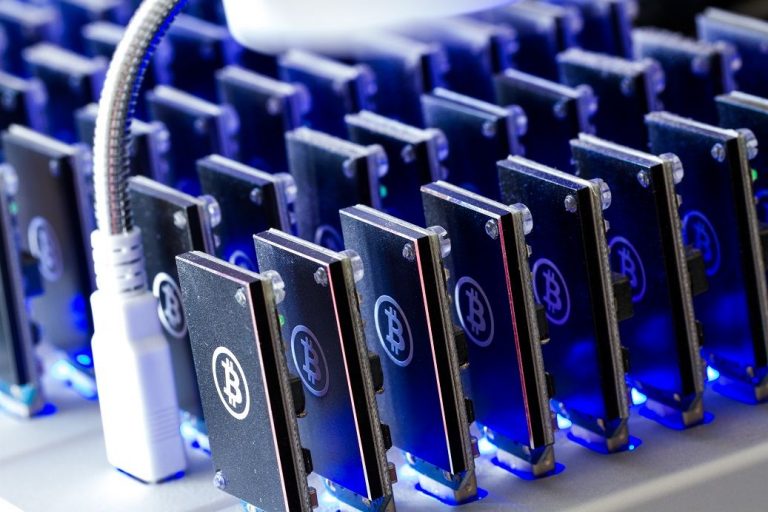
Bitcoin mining serves as the backbone of the cryptocurrency revolution, enabling transactions and securing the network while rewarding miners for their efforts. This process not only facilitates the creation of new bitcoins but also plays a vital role in maintaining the integrity of the blockchain. Since its inception in 2009, bitcoin mining has evolved dramatically, transitioning from individual hobbyists using simple computers to large-scale operations employing sophisticated technology and massive data centers.
As we delve deeper into the technical aspects of bitcoin mining, we will uncover the hardware and software requirements essential for successful operations. From understanding hashing algorithms to exploring various mining methods, this guide aims to provide a comprehensive overview of the many elements shaping the landscape of bitcoin mining today.
Introduction to Bitcoin Mining
Bitcoin mining is the process by which new bitcoins are created and transactions are verified and added to the public ledger known as the blockchain. It plays a crucial role in maintaining the integrity and security of the cryptocurrency ecosystem. Without mining, there would be no way to validate transactions or create new blocks, leading to a breakdown of trust in the network.The mining process involves powerful computers solving complex mathematical problems, which requires significant computational power and energy.
Miners compete to solve these problems, and the first one to succeed gets to add a new block to the blockchain and is rewarded with newly minted bitcoins. This mechanism not only secures the network against fraud and double-spending but also incentivizes miners to participate by rewarding them for their efforts.
Evolution of Bitcoin Mining
The evolution of bitcoin mining has been marked by significant technological advancements and shifts in the overall landscape. Initially, mining could be performed using ordinary personal computers, often referred to as CPU mining. This method was accessible and allowed anyone to participate easily. However, as more individuals entered the mining arena, the difficulty of mining increased, leading to the emergence of more specialized technology.
GPU Mining
The first major upgrade in mining technology came with the use of Graphics Processing Units (GPUs). These devices provided significantly better performance compared to CPUs, allowing miners to solve problems faster and more efficiently.
FPGA Mining
Next, Field-Programmable Gate Arrays (FPGAs) took the stage. FPGAs are customizable chips that perform specific tasks very efficiently, offering further improvements in power consumption and processing speed.
ASIC Mining
The most significant leap occurred with the introduction of Application-Specific Integrated Circuits (ASICs). These devices are designed explicitly for bitcoin mining, dramatically increasing hashing power while minimizing energy consumption. ASIC miners dominate the industry today, making it nearly impossible for casual miners to compete without significant investment.
Mining Pools
As mining became increasingly competitive, miners began to form mining pools, where multiple miners combine their processing power to increase their chances of earning rewards. This collaborative approach allows participants to receive smaller, more frequent payouts, making mining feasible for more individuals.The trajectory of bitcoin mining continues to evolve, influenced by technological advancements, market demands, and regulatory changes. The introduction of renewable energy sources into mining practices is becoming a focal point, addressing environmental concerns associated with traditional mining operations.
This ongoing evolution highlights the adaptability of the bitcoin mining community in response to challenges and opportunities within the broader cryptocurrency ecosystem.
Technical Aspects of Bitcoin Mining
Bitcoin mining is a complex process that involves both hardware and software to effectively secure the network and validate transactions. Understanding the technical requirements is crucial for anyone looking to delve into the world of mining. This segment will cover the essential hardware for mining, the software necessary for operations, and the hashing process that underpins the security of Bitcoin transactions.
Hardware Requirements for Bitcoin Mining
The hardware used in Bitcoin mining is vital for achieving efficiency and profitability. Miners need specialized equipment that can handle the demanding calculations involved in the mining process. The following components are essential for setting up a mining rig:
- ASIC Miners: Application-Specific Integrated Circuits (ASICs) are the most efficient mining hardware available. They are designed specifically for hashing Bitcoin transactions and outperform traditional CPUs and GPUs.
- Power Supply Unit (PSU): A robust PSU is necessary to meet the high energy demands of ASIC miners. It’s essential to choose one that provides stable power output to avoid disruptions during mining.
- Cooling Systems: Mining rigs generate significant heat due to constant operation. Effective cooling solutions, such as fans or liquid cooling, are required to maintain optimal performance and prevent hardware damage.
- Motherboard and RAM: While less critical than other components, a compatible motherboard and sufficient RAM are needed to support the mining hardware and software.
Software Needed for Effective Mining Operations
The software plays an equally important role in the mining process, enabling miners to connect to the Bitcoin network, manage their hardware, and optimize mining performance. Key software requirements include:
- Mining Software: Programs like CGMiner, BFGMiner, and EasyMiner allow miners to interact with their hardware and execute the mining process. This software supports various ASICs and provides valuable statistics.
- Wallet Software: A secure Bitcoin wallet is essential for storing the mined coins. Options include hardware wallets for enhanced security or software wallets for convenience.
- Mining Pool Software: Joining a mining pool maximizes the chances of earning Bitcoin rewards. Mining pool software connects miners to share resources and split rewards based on contributed power.
Hashing Process and Its Role in Securing Transactions
At the heart of Bitcoin mining lies the hashing process, which is fundamental to the security and integrity of transactions. Hashing involves the conversion of data into a fixed-length string of characters, which serves as a digital fingerprint of the data. The importance of hashing can be summarized as follows:
Hashing secures transactions by ensuring that any alteration in the transaction data results in a completely different hash output, thus preserving the integrity of the blockchain.
Miners compete to solve complex mathematical puzzles that require finding a specific hash value. This process is known as “proof of work,” and it ensures that transactions are verified and added to the blockchain securely. The use of SHA-256, the hashing algorithm used by Bitcoin, is crucial as it produces a unique hash for each block, making tampering virtually impossible.The continuous competition among miners to solve the hashing puzzle not only secures the network but also introduces new Bitcoins into circulation, maintaining the system’s decentralized nature.
Types of Bitcoin Mining
Bitcoin mining has evolved significantly since its inception, resulting in various methodologies that cater to different needs and preferences of miners. Understanding these methods is essential for anyone interested in the cryptocurrency space, as each has its unique implications in terms of profitability and operational complexity. This section will delve into the primary types of Bitcoin mining: solo mining, pool mining, cloud mining, and mining farms.
Solo Mining vs. Pool Mining
Solo mining involves a miner independently attempting to solve a block on the Bitcoin blockchain. The miner utilizes their hardware to compete directly against all other miners globally. While the potential rewards are substantial, the chances of successfully mining a block on one’s own are extremely low due to the high level of competition and the immense processing power required.
In contrast, pool mining is a collaborative effort where multiple miners combine their resources to increase their chances of solving a block. When a block is mined, the rewards are distributed among all participants in proportion to their contributed processing power. This method provides a more consistent stream of earnings compared to solo mining, making it a popular choice among those who may not have access to significant hardware or computational resources.The following points highlight the key differences between solo mining and pool mining:
- Profitability: Solo mining offers higher potential rewards but lower chances of success, while pool mining provides smaller, more regular payouts.
- Hardware Requirements: Solo miners need powerful hardware to compete, whereas pool miners can use less powerful setups.
- Risk: Solo mining is riskier due to the long periods without rewards, while pool mining stabilizes earnings.
Cloud Mining and Its Advantages and Disadvantages
Cloud mining allows individuals to rent mining power from remote data centers, eliminating the need for expensive hardware and operational costs associated with traditional mining setups. This method appeals to those who want to participate in Bitcoin mining without the technical challenges of managing hardware or the environmental concerns of electricity use.However, cloud mining also has its drawbacks. It typically involves contractual agreements that can be lengthy and complicated.
Furthermore, the profitability of cloud mining can be affected by market conditions and the fees charged by service providers. The following list Artikels some advantages and disadvantages of cloud mining:Advantages:
- No need for physical hardware maintenance or technical knowledge.
- Lower initial investment compared to setting up a personal mining rig.
- Flexibility to choose various mining contracts that suit individual needs.
Disadvantages:
- Risk of scams or unreliable service providers.
- Limited control over mining operations.
- Possible lower profitability due to high management fees and fluctuating market prices.
Mining Farms and Their Operational Models
Mining farms are large-scale operations that use numerous mining rigs to generate Bitcoin systematically. These facilities are designed to maximize efficiency and profitability through economies of scale. Mining farms often leverage advanced cooling systems, power management strategies, and bulk purchasing of mining hardware to reduce costs.There are various operational models for mining farms, including:
- Commercial Mining Farms: These are established businesses dedicated solely to mining, often located in regions with low electricity costs.
- Home-Based Mining Farms: Individuals set up multiple rigs at home, often in spare rooms or garages, taking advantage of personal resources.
- Hybrid Mining Farms: These farms combine both professional and home-based setups, focusing on maximizing output while minimizing expenses.
Mining farms represent the industrial scale of Bitcoin mining, reflecting a trend towards the consolidation of resources and technology in the cryptocurrency realm.
Economic Factors Influencing Bitcoin Mining
The economics of Bitcoin mining are multifaceted, involving various costs and market dynamics that can significantly affect profitability. Understanding these factors is crucial for anyone considering entering the mining space. The initial investment, ongoing expenses, and volatile market conditions all play critical roles in determining the viability of a mining operation.
Cost Analysis of Starting a Mining Operation
Before starting a Bitcoin mining venture, one must conduct a thorough cost analysis. This analysis encompasses several key areas:
- Hardware Expenses: The cost of mining rigs can vary widely, from a few hundred to thousands of dollars, depending on performance capabilities. For instance, ASIC miners, which are specifically designed for Bitcoin mining, can cost anywhere from $2,000 to $10,000 or more.
- Setup Costs: These include expenses for cooling systems, power supplies, and networking equipment. A proper cooling setup is essential to maintain optimal operating conditions for the hardware.
- Hosting Fees: Many miners opt for mining pools or cloud mining services, which involve monthly fees. These fees can range from a few dollars to hundreds, depending on the service provider and resources used.
- Initial Capital Investment: Beyond equipment, miners should consider their initial capital for operational expenses, which may include electricity and maintenance costs that arise even before generating Bitcoin.
Impact of Bitcoin’s Market Value on Mining Profitability
The profitability of Bitcoin mining is directly tied to the market value of Bitcoin itself. As Bitcoin prices fluctuate, so does the potential return on investment for miners.
- Bitcoin Price Trends: Higher Bitcoin prices typically lead to increased mining profitability. For example, during the surge in late 2020, miners experienced substantial profits as Bitcoin reached an all-time high of nearly $64,000.
- Difficulty Adjustment: The Bitcoin network adjusts mining difficulty approximately every two weeks. When more miners join the network, the difficulty increases, which can reduce profitability if Bitcoin prices do not rise correspondingly.
- Market Sentiment: Investor sentiment and market news can drive price changes, impacting revenue. A positive development in the crypto space may lead to price increases, making mining more attractive.
Electricity Costs and Environmental Concerns
Electricity consumption is one of the most significant factors impacting the overall cost of Bitcoin mining. The energy-intensive nature of mining operations raises concerns about sustainability and environmental effects.
- Energy Consumption: Mining Bitcoin often requires substantial electricity, with estimates suggesting that the Bitcoin network consumes more energy than some countries. Miners must carefully evaluate electricity costs, as these can make up a large portion of operational expenses.
- Geographical Considerations: The location of a mining operation can significantly influence electricity costs. Miners in regions with cheap energy sources, like hydroelectric power, can operate more profitably compared to those in areas where energy is expensive.
- Environmental Impact: The carbon footprint of Bitcoin mining has drawn criticism, prompting discussions about greener alternatives. Miners are increasingly exploring renewable energy solutions to mitigate environmental concerns and reduce operational costs.
Legal and Regulatory Considerations
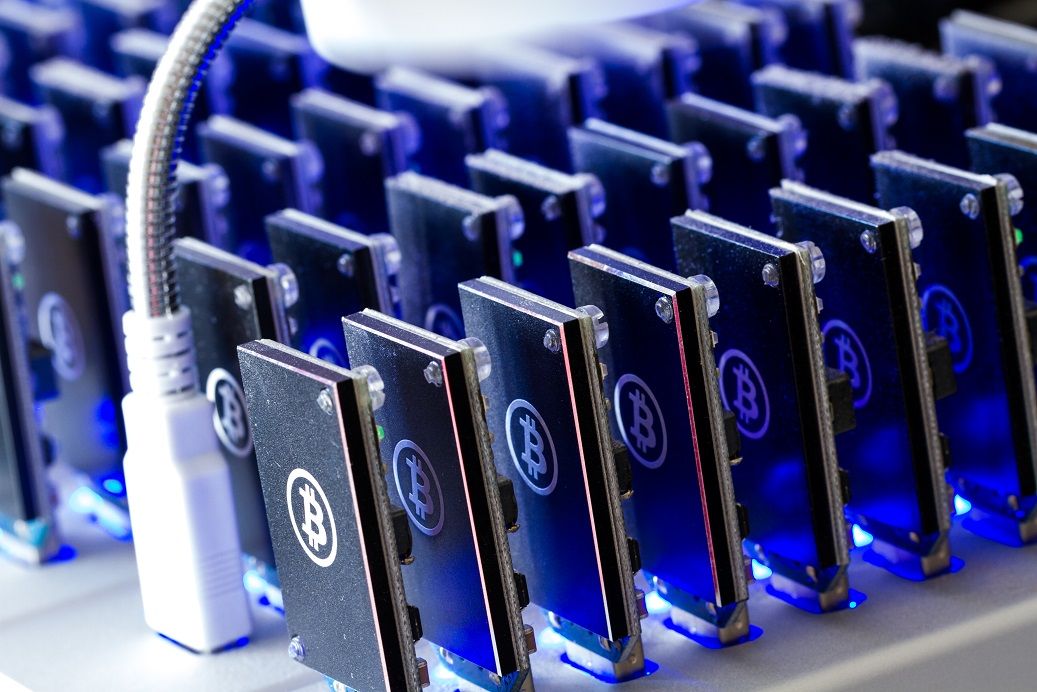
The legal and regulatory landscape for bitcoin mining is complex and varies widely across different jurisdictions. As cryptocurrencies continue to gain traction, governments are grappling with how to regulate this emerging industry. These regulations can significantly impact miners’ operations, influencing everything from energy consumption to tax obligations.
Regulatory Landscape for Bitcoin Mining
In many countries, the regulatory environment surrounding bitcoin mining is still developing. Some nations have embraced cryptocurrency, while others have imposed strict regulations or outright bans. For instance, China previously led the world in bitcoin mining but has since enacted a crackdown, leading many miners to relocate to more favorable jurisdictions. Countries such as the United States, Canada, and Kazakhstan have become popular destinations for mining operations due to their relatively favorable regulations and access to cheap electricity.
- In the United States, regulations vary by state. Some states, like Texas, have become hubs for bitcoin mining because of deregulated energy markets and favorable tax conditions.
- Canada offers competitive energy prices and a welcoming regulatory framework, particularly in provinces like Quebec, where hydroelectric power is abundant.
- Kazakhstan has seen an influx of miners from China, attracted by low electricity costs, despite facing regulatory scrutiny regarding energy consumption.
Legal Challenges Faced by Miners
Miners often face various legal challenges that can disrupt operations. These challenges can stem from local laws concerning energy use, environmental regulations, and anti-money laundering (AML) requirements. As the mining industry evolves, miners must ensure compliance with these regulations to avoid fines or shutdowns.
Legal complications can arise when miners operate in jurisdictions without clear definitions or regulations regarding cryptocurrency.
Some common legal challenges include:
- Energy Consumption Regulations: Many jurisdictions impose strict limits on energy usage, especially in areas facing energy shortages.
- Zoning Laws: Mining operations may be subject to zoning laws that restrict where they can be located.
- Anti-Money Laundering Policies: Miners may need to adhere to AML regulations, which can complicate their operations.
Taxation on Bitcoin Mining Earnings
Tax implications are another significant aspect of the legal framework for bitcoin mining. Earnings from mining are considered income in many jurisdictions, subjecting miners to income tax. The specific taxation rules can vary greatly depending on the country and even at the state or local level.
Understanding the tax obligations is crucial for miners to avoid legal repercussions and ensure compliance with government regulations.
For example:
- In the United States, the Internal Revenue Service (IRS) treats mined bitcoins as income at the fair market value at the time of receipt, requiring miners to report this income on their tax returns.
- Many countries, like Germany, have specific guidelines that exempt small-scale miners from taxation if the total earnings remain below a certain threshold.
- In some jurisdictions, GST or VAT may apply to the sale of mined bitcoins, further complicating the taxation scenario.
Future Trends in Bitcoin Mining
As the landscape of cryptocurrency continues to evolve, the future of Bitcoin mining is poised for significant transformation. Advances in technology, shifts towards sustainable energy, and the growing importance of mining within the broader context of cryptocurrencies and blockchain technology will play pivotal roles in shaping this future. This section delves into the trends that are likely to define Bitcoin mining in the coming years.
Potential Technological Advancements in Mining Hardware
The development of mining hardware is crucial for enhancing the efficiency and profitability of Bitcoin mining operations. Future advancements will likely focus on increasing computational power while reducing energy consumption. Here are some key areas of potential technological progress:
- ASIC Improvements: Application-Specific Integrated Circuits (ASICs) will continue to evolve, becoming more powerful and energy-efficient. Incorporating new manufacturing technologies could lead to chips that offer significant performance boosts while consuming less power.
- Quantum Computing: Although still in its infancy, quantum computing has the potential to revolutionize mining processes by solving complex algorithms much faster than classical computers. This could drastically reduce the time required to mine Bitcoin.
- Cooling Technologies: Enhanced cooling solutions, such as immersion cooling, will become more prevalent, allowing miners to operate more effectively at higher capacities while managing heat-related challenges.
Impact of Renewable Energy Sources on Mining Operations
The relationship between Bitcoin mining and energy consumption is a growing concern, leading to a shift towards renewable energy sources. This transition is likely to have a significant impact on mining operations. Key trends include:
- Solar and Wind Integration: Many mining operations are beginning to harness solar and wind energy to power their facilities, reducing reliance on fossil fuels and minimizing carbon footprints.
- Energy Partnerships: Collaborations between miners and renewable energy providers are expected to increase, allowing miners to secure more sustainable energy at lower costs.
- Regional Shifts: Areas with abundant renewable energy resources, such as hydroelectric power in regions like Canada and Scandinavia, are becoming attractive locations for new mining operations.
Role of Mining in the Future of Cryptocurrencies and Blockchain Technology
Mining remains a cornerstone of the cryptocurrency ecosystem, ensuring the integrity and security of blockchain networks. The evolving role of mining can be Artikeld as follows:
- Validation of Transactions: Miners will continue to play a critical role in validating transactions and securing the Bitcoin network, which is essential for maintaining trust in the system.
- Decentralization Efforts: As more individuals and small-scale miners engage in the mining process, the decentralization of the network will improve, making it more resilient against attacks.
- Innovations in Governance: Mining could also influence governance models within blockchain networks, where miners have the potential to take on decision-making roles regarding protocol upgrades and system changes.
“The shift towards renewable energy sources will redefine the viability and sustainability of Bitcoin mining in the long term.”
Community and Social Impact
Bitcoin mining has evolved into a global phenomenon, influencing not only the digital currency landscape but also the communities that participate in it. The intersection of technology and society is evident in mining operations, which create support networks and foster local engagement. This section explores the significant roles of mining communities, their contributions to local economies, and the broader social implications of Bitcoin mining in shaping global finance.
Role of Mining Communities
Mining communities are vital in sustaining the Bitcoin network, providing both technical expertise and local support. These groups create a sense of belonging and collaboration, often sharing resources and knowledge. In many cases, mining operations bring people together, fostering networks that help local miners optimize their setups and increase efficiency. Examples of successful mining communities can be observed in regions with low electricity costs, where miners band together to form cooperatives.
These cooperatives allow members to pool their resources for better equipment purchases and support, driving down individual costs and enhancing profitability.
Influence on Local Economies and Job Creation
Bitcoin mining can significantly impact local economies, particularly in regions that embrace the technology. The influx of mining operations often leads to job creation, both directly and indirectly. Direct job opportunities arise from the need for skilled technicians to manage mining rigs and maintain infrastructure. Indirectly, mining operations stimulate local businesses, including those that supply equipment, provide maintenance services, or offer housing to miners.The economic benefits can be illustrated through case studies in rural areas where electricity is abundant and cheap.
For instance, towns in the Appalachian region of the United States have seen an increase in employment as mining facilities have opened, providing jobs in both technology and support services. The presence of mining can lead to a revival of local economies, attracting investment and infrastructure development.
Social Implications on Global Finance
The rise of Bitcoin mining also carries significant social implications for the broader financial landscape. As Bitcoin continues to gain acceptance, its decentralized nature challenges traditional banking systems and reshapes the concept of value transfer. Mining contributes to this shift by democratizing access to financial resources, allowing individuals in underserved regions to engage in global commerce. For example, areas with limited banking infrastructure have seen increased participation in the global economy through Bitcoin, enabling individuals to trade and invest without relying on traditional financial institutions.Additionally, the environmental concerns associated with mining spur social advocacy around sustainable practices.
Communities are increasingly advocating for the adoption of renewable energy sources in mining operations, pushing for a more sustainable approach that doesn’t compromise local ecosystems.
Security and Risks in Bitcoin Mining
Bitcoin mining, while a potentially lucrative venture, comes with its share of risks and security challenges. As miners engage in the computationally intensive process of creating new blocks for the blockchain, they must navigate a landscape fraught with threats ranging from technical vulnerabilities to malicious scams. Understanding these risks is essential for anyone looking to successfully mine Bitcoin.
Risks Associated with Bitcoin Mining Operations
Bitcoin mining operations face various risks that can impact profitability and operational efficiency. Some of these risks include:
- Hardware Failure: Mining rigs can experience mechanical or electrical failures, resulting in downtime and lost earnings. Proactive maintenance and monitoring systems are vital to mitigate this risk.
- Market Volatility: The price of Bitcoin can fluctuate dramatically, affecting the profitability of mining operations. Miners must be prepared for sudden drops in value, which can make mining unprofitable.
- Energy Costs: Mining requires significant energy resources, and rising electricity costs can eat into profits. Miners should consider energy-efficient hardware and explore renewable energy options to combat this issue.
- Network Difficulty: The Bitcoin network adjusts its mining difficulty regularly, which can impact the number of bitcoins mined over time. Miners need to adapt to these changes and be ready for variations in returns.
Security Measures for Miners
To safeguard their operations and assets, miners should adopt comprehensive security measures. These measures include:
- Use of Secure Wallets: Storing mined Bitcoin in secure, hardware wallets minimizes the risk of theft from online attacks. Hardware wallets provide offline storage, making them less vulnerable to hacks.
- Regular Software Updates: Keeping mining software up-to-date protects against vulnerabilities and exploits. Miners should also implement security patches as recommended by software providers.
- Two-Factor Authentication (2FA): Enabling 2FA on all accounts related to mining operations adds an extra layer of security against unauthorized access.
- Network Security: Using Virtual Private Networks (VPNs) and firewalls can secure miners’ networks from DDoS attacks and other threats.
Common Scams and Frauds Related to Bitcoin Mining
Bitcoin mining attracts a variety of scams that can deceive both new and experienced miners. It is crucial to understand these scams to protect investments. Some prevalent scams include:
- Ponzi Schemes: Some operations promise high returns on investments in mining pools but are actually unsustainable and rely on new investors for payouts.
- Fake Mining Contracts: Scammers may offer contracts for mining services that do not exist, collecting upfront fees without delivering any service.
- Cloud Mining Scams: While cloud mining can be legitimate, many companies misrepresent their operations, leading to significant financial losses for investors.
- Phishing Attacks: Miners can fall victim to phishing schemes where attackers impersonate legitimate services to steal sensitive information and funds.
“Understanding security measures and being aware of potential scams are vital for anyone involved in Bitcoin mining.”
Summary
In conclusion, the world of bitcoin mining is a complex and rapidly changing arena that intertwines technology, economics, legal frameworks, and community impacts. As we look toward the future, the potential for innovation and adaptation in mining practices remains high, particularly with the growing emphasis on sustainable energy solutions. Understanding these dynamics is crucial for anyone interested in diving into the world of cryptocurrencies and the pivotal role that mining plays in this transformative financial landscape.
Questions Often Asked
What is the best hardware for bitcoin mining?
The most effective hardware for bitcoin mining is typically ASIC miners, which are designed specifically for the task and offer significantly higher hash rates compared to traditional GPUs.
Can I mine bitcoin on my laptop?
While it’s technically possible to mine bitcoin on a laptop, it is not recommended due to the high energy costs and the risk of damaging the hardware from overheating.
How long does it take to mine one bitcoin?
The time it takes to mine one bitcoin varies widely depending on the mining method, hardware efficiency, and network difficulty, but it typically requires a substantial investment in hardware and electricity.
Is bitcoin mining profitable?
Bitcoin mining can be profitable, but it largely depends on factors such as electricity costs, bitcoin market prices, and the efficiency of your mining equipment.
What are the environmental impacts of bitcoin mining?
Bitcoin mining consumes significant amounts of energy, leading to concerns about its environmental impact, particularly when fossil fuels are the primary energy source.