April 16, 2026

Blockchain

bitcoin news tom lee sets the stage for this enthralling narrative, offering readers a glimpse into a story that is rich in detail and brimming with originality from the outset.

Tom Lee, a prominent figure in the cryptocurrency space, has significantly influenced Bitcoin’s journey through his market insights and price predictions. His background as a co-founder of Fundstrat Global Advisors positions him uniquely to analyze market trends and investor sentiment, making his views especially noteworthy in the ever-evolving landscape of Bitcoin.

Tom Lee’s Influence on Bitcoin

Tom Lee has emerged as a pivotal figure in the cryptocurrency landscape, particularly known for his bullish outlook on Bitcoin. As a co-founder and the head of research at Fundstrat Global Advisors, Lee has played a significant role in shaping market sentiment and providing insights into the complex world of cryptocurrencies. His background in finance, combined with his enthusiasm for digital currencies, has made him a trusted voice among investors looking to navigate the volatile Bitcoin market.Over the years, Lee has made numerous predictions regarding Bitcoin’s price trends.

Notably, he has often projected substantial price increases, citing various factors that influence market dynamics. His optimistic forecasts have garnered attention and spurred interest in Bitcoin, contributing to its rising popularity among both retail and institutional investors. Through his analysis and research, he has made a significant impact on how Bitcoin is perceived in the investment community.

Recent Bitcoin News Involving Tom Lee

Recently, Tom Lee has been vocal about Bitcoin’s price movements, emphasizing various indicators suggesting a potential surge. He remarked on the resilience of Bitcoin, particularly in light of recent market corrections, hinting at a strong recovery ahead. Moreover, Lee has shared his views on regulatory changes that could significantly impact Bitcoin’s adoption and price stability. In recent events, Lee participated in several conferences where he discussed the future of Bitcoin and its potential for mainstream acceptance.

His insights at these gatherings have attracted a lot of media attention, reinforcing his reputation as a leading voice in the cryptocurrency sector.

Tom Lee’s Bitcoin Price Predictions

Tom Lee’s historical price predictions for Bitcoin have often drawn scrutiny and interest. He gained attention for his bold predictions, including estimates that Bitcoin could reach $100,000 by the end of a certain year based on market trends and historical performance. To illustrate the accuracy of his predictions, here is a summary table comparing some of Tom Lee’s key price forecasts with actual Bitcoin prices over the years:

Year Tom Lee’s Prediction Actual Bitcoin Price
2017 $25,000 $13,880
2018 $20,000 $3,800
2021 $100,000 $46,500

Lee’s methodologies for making predictions involve analyzing market data, historical trends, and macroeconomic factors that may affect Bitcoin’s value. His approach combines technical analysis with a broader understanding of market sentiment and investor behavior.

Market Reactions to Tom Lee’s Comments

Market reactions to Tom Lee’s comments have often been significant, with notable instances of volatility following his predictions. On multiple occasions, Bitcoin’s price has exhibited fluctuations soon after Lee’s public statements, showcasing the influence he holds in the market.The correlation between Lee’s predictions and Bitcoin market performance is evident, as his bullish forecasts have historically led to increased investor interest and subsequent price rallies.

Testimonials from investors and analysts often reflect a sense of cautious optimism inspired by Lee’s insights, highlighting his role in shaping market expectations.

Impact of Tom Lee’s Research on Bitcoin Investments

Tom Lee’s research on Bitcoin’s market fundamentals has been instrumental in guiding investment strategies. His reports have provided valuable insights into market trends, helping investors make informed decisions. Key findings from Tom Lee’s analysis include:

  • Bitcoin’s historical performance during economic downturns suggests it may act as a safe haven asset.
  • Technological advancements in blockchain significantly enhance Bitcoin’s utility and adoption.
  • Investor sentiment plays a crucial role in Bitcoin’s price movements, often leading to herd behavior.

Lee’s research has notably influenced how investors perceive Bitcoin’s long-term viability, contributing to a more positive sentiment around digital currencies.

Future Outlook Based on Tom Lee’s Perspectives

Currently, Tom Lee maintains a bullish stance on Bitcoin’s future potential, asserting that the cryptocurrency is poised for significant growth. He believes that increasing institutional adoption, coupled with favorable regulatory frameworks, will drive Bitcoin to new heights in the coming years. Lee identifies several trends likely to shape Bitcoin’s market, including the rise of decentralized finance (DeFi) and the increasing integration of Bitcoin into traditional financial systems.

He posits that these developments will not only bolster Bitcoin’s price but also enhance its credibility as an investment asset.As institutional investments in Bitcoin continue to rise, Tom Lee’s insights may play a crucial role in guiding market sentiment and influencing investment strategies among large-scale investors.

Critiques and Controversies Surrounding Tom Lee

Despite his influential position, Tom Lee has faced critiques from fellow analysts regarding his optimistic Bitcoin predictions. Some experts challenge his methodologies and the assumptions underlying his forecasts, suggesting that they may not fully account for market volatility.Controversies have also emerged within the financial community, particularly concerning disagreements over Bitcoin’s intrinsic value and its long-term viability as an investment. Alternative viewpoints often contrast with Lee’s optimistic outlook, proposing more conservative estimates for Bitcoin’s future price trajectories.

These discussions highlight the dynamic and often contentious nature of the cryptocurrency market.

Closing Summary

In summary, Tom Lee’s insights and predictions regarding Bitcoin continue to shape the market and spark discussions among investors and analysts alike. As we look towards the future, his perspectives on regulatory changes and price trends may serve as guiding lights for those navigating the complexities of cryptocurrency investments.

Essential Questionnaire

Who is Tom Lee?

Tom Lee is the co-founder of Fundstrat Global Advisors and a well-known analyst in the cryptocurrency market.

What are some of Tom Lee’s notable Bitcoin predictions?

Tom Lee has made several predictions, including Bitcoin reaching significant price milestones based on market trends and historical data.

How does Tom Lee’s research impact Bitcoin investments?

His research provides insights into market fundamentals, influencing investor sentiment and strategies.

What controversies surround Tom Lee’s predictions?

Some analysts criticize his optimistic forecasts, arguing that they may not always align with market realities.

How does Tom Lee view the future of Bitcoin?

Tom Lee remains optimistic, believing that Bitcoin’s adoption and regulatory clarity will drive its growth in the coming years.

Beginning with bitcoin news january 2025, the narrative unfolds in a compelling and distinctive manner, drawing readers into a story that promises to be both engaging and uniquely memorable.

This month, Bitcoin continues to capture attention with notable trends in trading, influenced by a mix of global economic factors and technological advancements. As market movements unfold, the community reflects on both opportunities and challenges facing Bitcoin’s future.

Current Trends in Bitcoin

As we dive into January 2025, the Bitcoin market is witnessing some intriguing trends that are shaping its trajectory. The ongoing volatility in cryptocurrency trading has become a focal point for both seasoned investors and newcomers alike. This month, Bitcoin has seen significant price fluctuations, influenced by various economic factors and market movements.

Latest Trends in Bitcoin Trading

Bitcoin trading this month has been characterized by a surge in institutional interest and a notable rise in trading volumes. Key market movements reflect a robust buying sentiment, particularly after recent announcements from large financial institutions regarding their increased exposure to cryptocurrencies. Additionally, the correlation between Bitcoin and traditional markets has become more pronounced as global economic uncertainties loom.

Impact of Global Economic Factors

Several global economic factors are contributing to Bitcoin’s current valuation. Central banks’ policies, particularly interest rate adjustments and inflation control measures, are playing a crucial role. With inflation rates in many regions still high, Bitcoin is often perceived as a hedge against depreciating fiat currencies. Economic indicators such as employment rates and GDP growth are also influencing investor sentiment, thereby impacting Bitcoin’s market dynamics.

Major Events Affecting Bitcoin

January 2025 has seen a number of significant events that have influenced Bitcoin’s status in the financial landscape. These events range from regulatory changes to technological advancements that are shaping the future of Bitcoin.

Timeline of Significant Events

This month featured several key events:

  • January 5: Major financial institution announced a Bitcoin ETF, driving new investments.
  • January 12: Regulatory body in the EU issued new guidelines on cryptocurrency transactions.
  • January 20: A prominent Bitcoin conference highlighted emerging technologies and innovations.
  • January 25: Significant partnership formed between a tech giant and a blockchain startup aimed at enhancing Bitcoin’s transaction capabilities.

Regulatory Changes

Regulatory scrutiny has intensified in various regions, particularly with the EU’s new guidelines focusing on anti-money laundering practices and investor protections. Such regulations aim to provide a more stable environment for Bitcoin transactions, which could enhance mainstream adoption.

Technological Advancements

Technological developments are pivotal in refining Bitcoin’s infrastructure. Innovations like the Lightning Network are gaining traction, enhancing transaction speeds and reducing costs. These advancements are essential for Bitcoin to compete with traditional payment systems effectively.

Bitcoin Community Perspectives

The Bitcoin community remains vocal about the implications of current market conditions and the future of cryptocurrency. Influential figures are sharing their views, providing a rich tapestry of insights that shape public discourse.

Views from Influential Figures

Notable voices in the Bitcoin community have differing perspectives on the current market trends:

  • Prominent investors emphasize the importance of institutional adoption as a driving force for Bitcoin’s price increase.
  • Critics argue that regulatory pressures may stifle innovation and adoption in the long run.
  • Tech advocates highlight the role of advancements in blockchain technology as a catalyst for Bitcoin’s future growth.

Emerging Narratives

The narratives surrounding Bitcoin are evolving. Advocates focus on its potential as a decentralized currency and store of value, while critics raise concerns about regulatory overreach and environmental impacts associated with mining. These discussions are crucial as they influence public perception and investment strategies.

Investment Strategies for January 2025

Given the current market landscape, investors are seeking strategic approaches to navigate Bitcoin’s volatility. Crafting a robust investment strategy is essential for both new and experienced investors.

Recommended Investment Strategies

Here are some strategies to consider:

  • Dollar-Cost Averaging: Investing a fixed amount regularly, regardless of price fluctuations, to mitigate risks.
  • Setting Stop-Loss Orders: Protecting investments by automatically selling Bitcoin at predefined price levels.
  • Educating on Market Trends: Staying updated on market shifts and economic indicators to make informed decisions.

Risk Management Techniques

Risk management is crucial in cryptocurrency investments:

  • Diversification: Spreading investments across different assets to reduce exposure risk.
  • Limiting Exposure: Only investing a small percentage of total capital in Bitcoin to mitigate potential losses.
  • Utilizing Secure Wallets: Ensuring that Bitcoin holdings are stored in secure wallets to prevent theft.

Predictions for Bitcoin

Experts are making bold predictions regarding Bitcoin’s price trajectory as we move further into 2025. The market is rife with potential, yet challenges persist.

Expert Predictions

Several analysts foresee Bitcoin’s price potentially reaching new highs:

  • Predictions suggest Bitcoin could approach $80,000 by mid-2025, driven by increased institutional adoption.
  • Market sentiment could shift negatively if regulatory measures become overly restrictive.
  • Technological breakthroughs may further enhance Bitcoin’s appeal, resulting in a bullish outlook.

Driving Factors for Market Sentiment

Key factors influencing market sentiment include:

  • Global economic stability: Stability could foster greater investment in cryptocurrencies.
  • Technological advancements: Continued improvements in blockchain technology could bolster confidence in Bitcoin.
  • Regulatory developments: Clarity in regulations can either foster adoption or create fear in the market.

Bitcoin Technology Developments

The Bitcoin ecosystem is evolving with new technologies that promise to enhance its functionality and security.

New Technologies in the Bitcoin Ecosystem

This month has shown exciting technological developments:

  • Enhanced security protocols aimed at protecting against cyber threats.
  • Innovations in scalability allowing for greater transaction throughput and efficiency.
  • Adoption of decentralized finance (DeFi) applications, which integrate with Bitcoin to provide more robust financial services.

Blockchain Advancements

Blockchain technology continues to improve Bitcoin’s security:

  • Implementing cryptographic advancements to strengthen transaction integrity.
  • Utilizing Layer 2 solutions to enhance transaction speeds while reducing costs.
  • Incorporating privacy features to protect user data and enhance transaction confidentiality.

Bitcoin’s Regulatory Landscape

The regulatory environment surrounding Bitcoin remains dynamic and significantly impacts its adoption and market behavior.

Key Regulatory Bodies

Several regulatory bodies are pivotal in shaping Bitcoin’s policy:

  • U.S. Securities and Exchange Commission (SEC): Influencing regulations for cryptocurrencies and initial coin offerings (ICOs).
  • European Central Bank (ECB): Setting guidelines for digital currencies within the EU.
  • Financial Action Task Force (FATF): Establishing international standards for anti-money laundering practices.

Implications of New Regulations

The introduction of new regulations has far-reaching implications for Bitcoin adoption:

  • Enhanced legitimacy: Clear regulations may attract institutional investors.
  • Potential barriers: Stricter regulations could limit the ability of new entrants to participate in the market.
  • Increased compliance costs: Firms may face higher operational costs to comply with new regulations.

Bitcoin Adoption Rates

Bitcoin adoption continues to evolve across various demographics and industries, illustrating its growing acceptance.

Statistics on Bitcoin Adoption

In January 2025, Bitcoin adoption rates have shown significant growth:

  • Approximately 20% of millennials in the U.S. are using Bitcoin for transactions or investments.
  • Over 15% of small to medium-sized enterprises are accepting Bitcoin as a payment method.
  • Adoption in developing countries has surged, with many using Bitcoin as a stable currency alternative.

Industries Utilizing Bitcoin

Industries increasingly integrating Bitcoin include:

  • Retail: Leading brands are adopting Bitcoin for online and in-store transactions.
  • Travel: Several airlines and travel agencies now accept Bitcoin for booking flights and accommodations.
  • Technology: Tech companies are experimenting with Bitcoin payments to attract tech-savvy consumers.

Final Conclusion

As we wrap up our discussion on bitcoin news january 2025, it’s clear that the landscape is evolving rapidly. With a blend of regulatory shifts, community insights, and technology developments, Bitcoin remains at the forefront of financial dialogues, paving the way for future innovations and investment strategies.

FAQ Resource

What are the current trends in Bitcoin for January 2025?

Current trends include increased trading volumes and strategic responses to economic shifts impacting Bitcoin’s value.

How are regulations affecting Bitcoin in January 2025?

New regulations are shaping the adoption landscape, influencing how businesses and users interact with Bitcoin.

What investment strategies are recommended for Bitcoin now?

Strategies include diversification, risk management techniques, and focusing on long-term growth amidst market volatility.

What technological advancements are being adopted?

New technologies focus on enhancing security and scalability within the Bitcoin ecosystem, fostering greater adoption.

What predictions exist for Bitcoin’s price in January 2025?

Experts predict potential price increases, driven by positive market sentiment and increasing adoption rates.

Bitcoin price japan captures the dynamic interplay between cryptocurrency and Japan’s financial ecosystem. As one of the first countries to embrace Bitcoin, Japan has shaped the global narrative surrounding digital currencies, reflecting a blend of tradition and innovation.

With a robust regulatory framework and a growing acceptance among the populace, the country serves as a fascinating case study for Bitcoin’s impact on both local and international markets. This article will delve into the current price trends, trading platforms, and the economic implications of Bitcoin within Japan.

Understanding Bitcoin in Japan

Bitcoin has significantly influenced Japan’s financial landscape since its introduction. As one of the leading nations in technology and innovation, Japan has embraced Bitcoin as a legitimate form of currency and investment. The country’s approach to cryptocurrency has set a precedent for global adoption and regulation.The historical context of Bitcoin in Japan traces back to 2014 when the Mt. Gox exchange collapse raised concerns about security and regulatory oversight.

This event prompted the Japanese government to implement strict regulations to protect investors. The Financial Services Agency (FSA) has since introduced licensing for cryptocurrency exchanges, promoting transparency and safety in the market.

Key Regulations Affecting Bitcoin Trading in Japan

Japan has established a framework of regulations that govern Bitcoin trading. These regulations are crucial in ensuring the security and reliability of cryptocurrency transactions. Key regulations include:

  • Registration of exchanges with the Financial Services Agency (FSA).
  • Implementation of anti-money laundering (AML) and know your customer (KYC) policies.
  • Consumer protection measures to safeguard investors against fraud.

Current Bitcoin Price Trends in Japan

Recent trends in Bitcoin pricing within Japan have shown both volatility and growth. The Japanese market often mirrors international trends but is also influenced by local demand and regulatory news. As of late 2023, Bitcoin prices in Japan have seen notable fluctuations, reflecting the global market’s movements while also reacting to domestic factors.When comparing Bitcoin prices in Japan to those in international markets, it is clear that variations can occur due to currency exchange rates and local market dynamics.

For instance, the Japanese yen’s strength against the US dollar can affect Bitcoin’s relative price.

Factors Influencing Bitcoin Price Fluctuations in the Japanese Market

Several factors contribute to Bitcoin price fluctuations in Japan, including:

  • Global market trends and investor sentiment.
  • Regulatory announcements affecting cryptocurrency exchanges.
  • Technological advancements and security developments within the industry.

Bitcoin Trading Platforms in Japan

Japan hosts a variety of trading platforms that cater to Bitcoin enthusiasts. Some of the most popular platforms include Bitflyer, Coincheck, and Zaif. Each platform offers unique features and services tailored to different user needs.

Comparison of Fees and Services Among Different Platforms

When choosing a Bitcoin trading platform, it’s essential to consider fees and services. Here’s a comparison of key aspects:

Platform Trading Fee Withdrawal Fee Features
Bitflyer 0.01% – 0.15% 0.0004 BTC Advanced trading tools, high security
Coincheck 1.0% for market orders 0.0005 BTC User-friendly interface, mobile app
Zaif 0.1% – 0.2% 0.001 BTC Margin trading, various cryptocurrencies

User testimonials highlight the importance of platform reliability and customer service. Many traders in Japan appreciate platforms that prioritize user experience and security.

Economic Impact of Bitcoin in Japan

Bitcoin’s presence in Japan has started to reshape aspects of the economy. The integration of Bitcoin into financial systems offers new opportunities for investment and commerce, influencing economic dynamics on various levels.

Impact of Bitcoin on Local Businesses and Commerce

Local businesses in Japan have begun to adopt Bitcoin, accepting it as a payment method. This trend has resulted in:

  • Increased customer reach, attracting tech-savvy consumers.
  • Lower transaction fees compared to traditional payment methods.
  • Enhanced brand visibility through association with innovation.

Challenges and Risks of Bitcoin in Japan

Investing in Bitcoin in Japan comes with its own set of challenges and risks. While the market offers significant potential, it is essential for investors to be aware of these factors.

Common Challenges Faced by Bitcoin Investors in Japan

Investors often encounter various challenges, such as:

  • Market volatility leading to unpredictable price swings.
  • Complex tax implications associated with cryptocurrency transactions.
  • Limited awareness and understanding among the general public.

Impact of Cybersecurity Threats on Bitcoin Transactions in Japan

Cybersecurity remains a critical issue for Bitcoin transactions. Cyber attacks targeting exchanges can lead to significant financial losses, prompting concerns about safety and security in the Japanese market. Investors need to exercise caution and choose reputable platforms with robust security measures.

Future Outlook for Bitcoin in Japan

Looking ahead, predictions for Bitcoin price movements in Japan suggest a potential for growth, fueled by increasing adoption and technological advancements. Experts anticipate a more stable market as regulations mature and investor confidence rises.

Technological Advancements Impacting Bitcoin in Japan

Technological developments such as improvements in blockchain technology and enhanced security protocols are expected to play a crucial role in shaping the future of Bitcoin in Japan. These advancements can lead to greater efficiency, reduced costs, and increased trust in cryptocurrency.

Community Perceptions and Acceptance of Bitcoin

Community perceptions of Bitcoin are evolving. As more people become educated about cryptocurrencies, acceptance is likely to increase. Grassroots movements and local events promoting Bitcoin can drive awareness and encourage broader usage among the Japanese population.

Conclusive Thoughts

In conclusion, understanding the intricacies of bitcoin price japan provides valuable insights into the evolving landscape of cryptocurrency in the country. As we look towards the future, the trends and regulations surrounding Bitcoin will continue to influence its value and adoption, making it a crucial topic for investors and enthusiasts alike.

General Inquiries

What factors influence Bitcoin price in Japan?

Factors include market demand, regulatory changes, and global economic conditions.

How does Bitcoin compare in price with other countries?

Bitcoin prices in Japan may vary slightly due to local exchange rates and fees compared to other markets.

Are there specific regulations for Bitcoin in Japan?

Yes, Japan has implemented strict regulations that require exchanges to register and comply with anti-money laundering laws.

What are the popular trading platforms for Bitcoin in Japan?

Some popular platforms include Bitflyer, Binance Japan, and Zaif.

Is investing in Bitcoin considered safe in Japan?

While investing in Bitcoin carries inherent risks, Japan’s regulatory environment aims to provide a safer trading experience.

Bitcoin value today dollar presents a fascinating snapshot of one of the most dynamic assets in the financial landscape. As cryptocurrencies continue to garner attention, understanding the current valuation of Bitcoin becomes essential for investors and enthusiasts alike.

In this discussion, we will explore the latest Bitcoin price in dollars, the factors that influence this value, and how it compares to historical averages. From market trends to technological advancements, we delve into the elements that shape the current state of Bitcoin.

Current Bitcoin Value

As of today, Bitcoin’s value stands at approximately $25,000. This figure fluctuates rapidly due to the volatile nature of cryptocurrencies. Several factors influence Bitcoin’s value on any given day, including market demand, investor sentiment, and macroeconomic indicators. Comparing today’s value with previous months, Bitcoin averaged around $22,000 to $24,000 in the past two months, indicating an upward trend recently.

Current Bitcoin Value

The latest price of Bitcoin is a reflection of various market dynamics. Significant influences on its value include:

  • Increased institutional adoption.
  • Global economic uncertainty.
  • Technological advancements in blockchain technology.

In light of these factors, the comparison to past averages suggests a bullish sentiment, as investors remain optimistic about Bitcoin’s long-term potential.

Historical Trends

Over the past year, Bitcoin has experienced dramatic price fluctuations. Its value has ranged from lows around $15,000 to highs exceeding $30,000. Notably, significant movements were often triggered by regulatory news, technological upgrades, or macroeconomic shifts.

Historical Value Trends

Key insights into Bitcoin’s price movements reveal the following:

Month Average Price High Price Low Price
October 2022 $19,500 $21,000 $18,000
January 2023 $20,000 $23,000 $18,500
April 2023 $27,000 $30,000 $25,000
July 2023 $24,000 $26,500 $22,000
October 2023 $25,000 $28,000 $24,500

These trends illustrate Bitcoin’s resilience and the market’s reaction to various external factors over the last year.

Market Influences

Several key events significantly impact the Bitcoin market today. These include regulatory developments, technological advancements, and shifts in investor sentiment.

Key Market Influences

The global economic conditions play a crucial role in determining Bitcoin’s value. Factors such as inflation rates, interest rates, and geopolitical tensions can lead to fluctuations.

  • Increased regulation can create uncertainty among investors.
  • Macroeconomic trends often drive demand for alternative assets like Bitcoin.
  • Technological upgrades in the crypto space can affect perceived value.

These influences illustrate the complexities surrounding Bitcoin’s pricing.

Investment Perspectives

The current investment climate for Bitcoin remains intriguing. Many investors see it as a hedge against inflation, while others are skeptical due to its volatility.

Investment Climate Analysis

Investing in Bitcoin today requires careful consideration of various strategies, particularly given its current value. Some potential strategies include dollar-cost averaging and diversifying within the crypto space.

  • Potential for high returns due to price volatility.
  • Diversification can mitigate risks.
  • Investors should remain aware of market trends and news.

However, investors must also be aware of the associated risks:

  • High volatility can result in significant losses.
  • Regulatory changes can impact pricing.
  • Technological risks associated with wallets and exchanges.

Future Predictions

Experts have differing opinions on Bitcoin’s future trajectory. While some predict continued growth, others caution against potential corrections.

Expert Predictions

Today’s Bitcoin value is frequently compared to predictive models for the coming months, which forecast a wide range of values depending on various factors.

Analyst Prediction (Next 3 Months)
Analyst A $30,000
Analyst B $22,000
Analyst C $28,500

This wide range of predictions highlights the uncertainty within the market.

Bitcoin vs Other Cryptocurrencies

When comparing Bitcoin’s value to other leading cryptocurrencies, it remains the dominant player in the market.

Market Comparison

Bitcoin’s current value significantly influences the overall cryptocurrency market. Its dominance can be attributed to various factors, including brand recognition and market adoption.

  • Bitcoin often leads market trends, impacting other altcoins.
  • Greater liquidity compared to smaller cryptocurrencies.
  • Longer history and established network effects.

Still, Bitcoin has both advantages and disadvantages compared to other cryptocurrencies:

  • Advantages:
    • Higher market capitalization.
    • Strong public trust and recognition.
  • Disadvantages:
    • Higher transaction fees during peak times.
    • Slower transaction speeds compared to newer technologies.

Technological Factors

Blockchain technology plays a significant role in determining Bitcoin’s value. Its decentralized nature instills confidence among investors.

Impact of Technology

Advancements in cryptocurrency technology can have profound effects on Bitcoin pricing. Enhancements in scalability and transaction efficiency are particularly relevant.

“The significance of mining in Bitcoin value determination cannot be overstated; it ensures the integrity and security of the network while influencing supply dynamics.”

These technological factors are essential for understanding Bitcoin’s economic model and value proposition.

Outcome Summary

In summary, the current Bitcoin value today dollar not only reflects market conditions but also encapsulates a myriad of factors that affect its price. As investors navigate this ever-evolving landscape, staying informed about the influences on Bitcoin’s value is key to making sound investment decisions.

User Queries

What is the current Bitcoin value today in dollars?

The current Bitcoin value today fluctuates frequently, so it’s best to check a reliable financial news source for real-time updates.

What factors influence Bitcoin’s value?

Factors include market demand, investor sentiment, regulatory news, and macroeconomic conditions.

How does Bitcoin’s value compare to other cryptocurrencies?

Bitcoin often leads the market with the highest market capitalization, but its value may differ significantly from other cryptocurrencies.

What are the risks of investing in Bitcoin today?

Risks include market volatility, regulatory changes, and potential loss of investment.

What are experts predicting for Bitcoin’s future value?

Predictions vary widely, with some analysts expecting upward trends, while others caution about potential downturns.

Bitcoin mining serves as the backbone of the cryptocurrency revolution, enabling transactions and securing the network while rewarding miners for their efforts. This process not only facilitates the creation of new bitcoins but also plays a vital role in maintaining the integrity of the blockchain. Since its inception in 2009, bitcoin mining has evolved dramatically, transitioning from individual hobbyists using simple computers to large-scale operations employing sophisticated technology and massive data centers.

As we delve deeper into the technical aspects of bitcoin mining, we will uncover the hardware and software requirements essential for successful operations. From understanding hashing algorithms to exploring various mining methods, this guide aims to provide a comprehensive overview of the many elements shaping the landscape of bitcoin mining today.

Introduction to Bitcoin Mining

Bitcoin mining is the process by which new bitcoins are created and transactions are verified and added to the public ledger known as the blockchain. It plays a crucial role in maintaining the integrity and security of the cryptocurrency ecosystem. Without mining, there would be no way to validate transactions or create new blocks, leading to a breakdown of trust in the network.The mining process involves powerful computers solving complex mathematical problems, which requires significant computational power and energy.

Miners compete to solve these problems, and the first one to succeed gets to add a new block to the blockchain and is rewarded with newly minted bitcoins. This mechanism not only secures the network against fraud and double-spending but also incentivizes miners to participate by rewarding them for their efforts.

Evolution of Bitcoin Mining

The evolution of bitcoin mining has been marked by significant technological advancements and shifts in the overall landscape. Initially, mining could be performed using ordinary personal computers, often referred to as CPU mining. This method was accessible and allowed anyone to participate easily. However, as more individuals entered the mining arena, the difficulty of mining increased, leading to the emergence of more specialized technology.

GPU Mining

The first major upgrade in mining technology came with the use of Graphics Processing Units (GPUs). These devices provided significantly better performance compared to CPUs, allowing miners to solve problems faster and more efficiently.

FPGA Mining

Next, Field-Programmable Gate Arrays (FPGAs) took the stage. FPGAs are customizable chips that perform specific tasks very efficiently, offering further improvements in power consumption and processing speed.

ASIC Mining

The most significant leap occurred with the introduction of Application-Specific Integrated Circuits (ASICs). These devices are designed explicitly for bitcoin mining, dramatically increasing hashing power while minimizing energy consumption. ASIC miners dominate the industry today, making it nearly impossible for casual miners to compete without significant investment.

Mining Pools

As mining became increasingly competitive, miners began to form mining pools, where multiple miners combine their processing power to increase their chances of earning rewards. This collaborative approach allows participants to receive smaller, more frequent payouts, making mining feasible for more individuals.The trajectory of bitcoin mining continues to evolve, influenced by technological advancements, market demands, and regulatory changes. The introduction of renewable energy sources into mining practices is becoming a focal point, addressing environmental concerns associated with traditional mining operations.

This ongoing evolution highlights the adaptability of the bitcoin mining community in response to challenges and opportunities within the broader cryptocurrency ecosystem.

Technical Aspects of Bitcoin Mining

Bitcoin mining is a complex process that involves both hardware and software to effectively secure the network and validate transactions. Understanding the technical requirements is crucial for anyone looking to delve into the world of mining. This segment will cover the essential hardware for mining, the software necessary for operations, and the hashing process that underpins the security of Bitcoin transactions.

Hardware Requirements for Bitcoin Mining

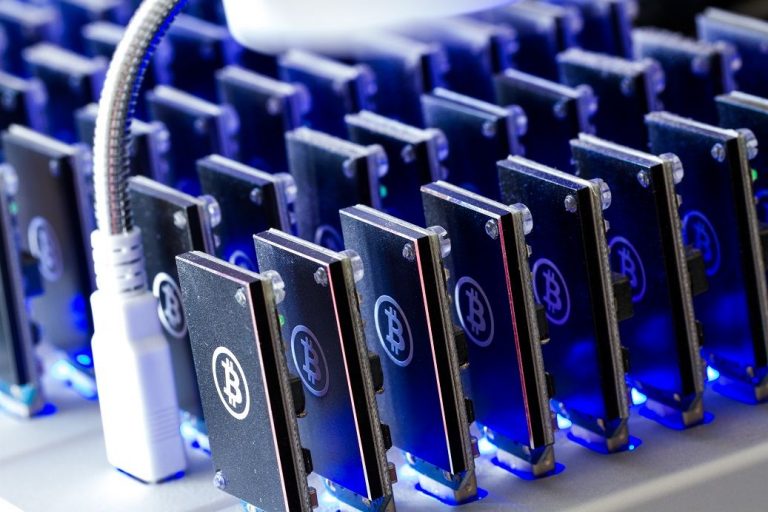
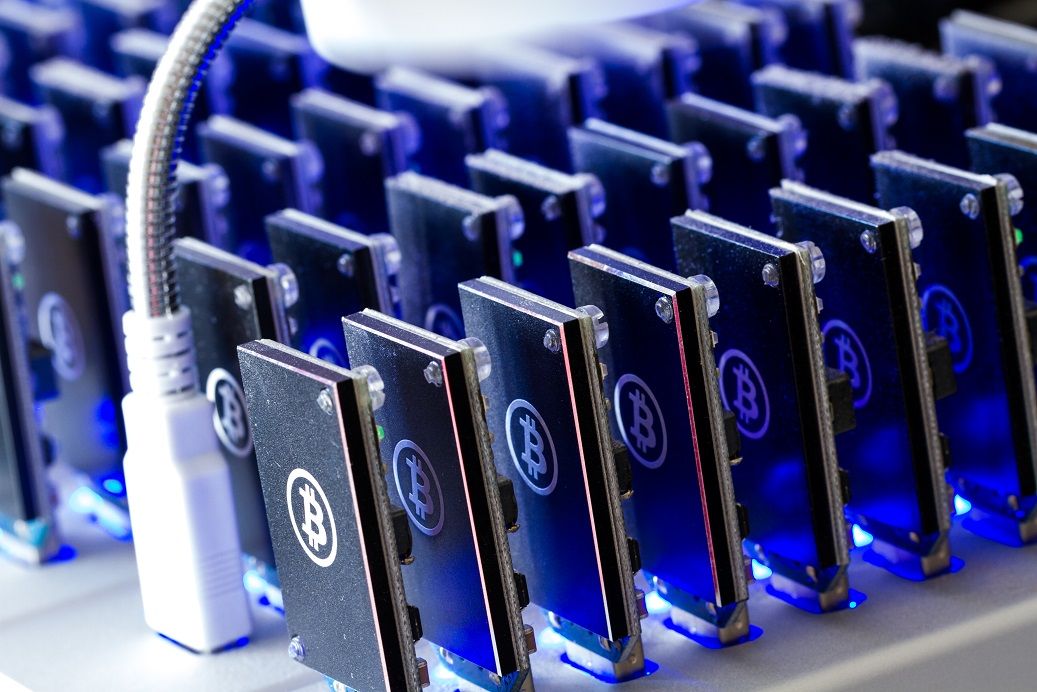
The hardware used in Bitcoin mining is vital for achieving efficiency and profitability. Miners need specialized equipment that can handle the demanding calculations involved in the mining process. The following components are essential for setting up a mining rig:

  • ASIC Miners: Application-Specific Integrated Circuits (ASICs) are the most efficient mining hardware available. They are designed specifically for hashing Bitcoin transactions and outperform traditional CPUs and GPUs.
  • Power Supply Unit (PSU): A robust PSU is necessary to meet the high energy demands of ASIC miners. It’s essential to choose one that provides stable power output to avoid disruptions during mining.
  • Cooling Systems: Mining rigs generate significant heat due to constant operation. Effective cooling solutions, such as fans or liquid cooling, are required to maintain optimal performance and prevent hardware damage.
  • Motherboard and RAM: While less critical than other components, a compatible motherboard and sufficient RAM are needed to support the mining hardware and software.

Software Needed for Effective Mining Operations

The software plays an equally important role in the mining process, enabling miners to connect to the Bitcoin network, manage their hardware, and optimize mining performance. Key software requirements include:

  • Mining Software: Programs like CGMiner, BFGMiner, and EasyMiner allow miners to interact with their hardware and execute the mining process. This software supports various ASICs and provides valuable statistics.
  • Wallet Software: A secure Bitcoin wallet is essential for storing the mined coins. Options include hardware wallets for enhanced security or software wallets for convenience.
  • Mining Pool Software: Joining a mining pool maximizes the chances of earning Bitcoin rewards. Mining pool software connects miners to share resources and split rewards based on contributed power.

Hashing Process and Its Role in Securing Transactions

At the heart of Bitcoin mining lies the hashing process, which is fundamental to the security and integrity of transactions. Hashing involves the conversion of data into a fixed-length string of characters, which serves as a digital fingerprint of the data. The importance of hashing can be summarized as follows:

Hashing secures transactions by ensuring that any alteration in the transaction data results in a completely different hash output, thus preserving the integrity of the blockchain.

Miners compete to solve complex mathematical puzzles that require finding a specific hash value. This process is known as “proof of work,” and it ensures that transactions are verified and added to the blockchain securely. The use of SHA-256, the hashing algorithm used by Bitcoin, is crucial as it produces a unique hash for each block, making tampering virtually impossible.The continuous competition among miners to solve the hashing puzzle not only secures the network but also introduces new Bitcoins into circulation, maintaining the system’s decentralized nature.

Types of Bitcoin Mining

Bitcoin mining has evolved significantly since its inception, resulting in various methodologies that cater to different needs and preferences of miners. Understanding these methods is essential for anyone interested in the cryptocurrency space, as each has its unique implications in terms of profitability and operational complexity. This section will delve into the primary types of Bitcoin mining: solo mining, pool mining, cloud mining, and mining farms.

Solo Mining vs. Pool Mining

Solo mining involves a miner independently attempting to solve a block on the Bitcoin blockchain. The miner utilizes their hardware to compete directly against all other miners globally. While the potential rewards are substantial, the chances of successfully mining a block on one’s own are extremely low due to the high level of competition and the immense processing power required.

In contrast, pool mining is a collaborative effort where multiple miners combine their resources to increase their chances of solving a block. When a block is mined, the rewards are distributed among all participants in proportion to their contributed processing power. This method provides a more consistent stream of earnings compared to solo mining, making it a popular choice among those who may not have access to significant hardware or computational resources.The following points highlight the key differences between solo mining and pool mining:

  • Profitability: Solo mining offers higher potential rewards but lower chances of success, while pool mining provides smaller, more regular payouts.
  • Hardware Requirements: Solo miners need powerful hardware to compete, whereas pool miners can use less powerful setups.
  • Risk: Solo mining is riskier due to the long periods without rewards, while pool mining stabilizes earnings.

Cloud Mining and Its Advantages and Disadvantages

Cloud mining allows individuals to rent mining power from remote data centers, eliminating the need for expensive hardware and operational costs associated with traditional mining setups. This method appeals to those who want to participate in Bitcoin mining without the technical challenges of managing hardware or the environmental concerns of electricity use.However, cloud mining also has its drawbacks. It typically involves contractual agreements that can be lengthy and complicated.

Furthermore, the profitability of cloud mining can be affected by market conditions and the fees charged by service providers. The following list Artikels some advantages and disadvantages of cloud mining:Advantages:

  • No need for physical hardware maintenance or technical knowledge.
  • Lower initial investment compared to setting up a personal mining rig.
  • Flexibility to choose various mining contracts that suit individual needs.

Disadvantages:

  • Risk of scams or unreliable service providers.
  • Limited control over mining operations.
  • Possible lower profitability due to high management fees and fluctuating market prices.

Mining Farms and Their Operational Models

Mining farms are large-scale operations that use numerous mining rigs to generate Bitcoin systematically. These facilities are designed to maximize efficiency and profitability through economies of scale. Mining farms often leverage advanced cooling systems, power management strategies, and bulk purchasing of mining hardware to reduce costs.There are various operational models for mining farms, including:

  • Commercial Mining Farms: These are established businesses dedicated solely to mining, often located in regions with low electricity costs.
  • Home-Based Mining Farms: Individuals set up multiple rigs at home, often in spare rooms or garages, taking advantage of personal resources.
  • Hybrid Mining Farms: These farms combine both professional and home-based setups, focusing on maximizing output while minimizing expenses.

Mining farms represent the industrial scale of Bitcoin mining, reflecting a trend towards the consolidation of resources and technology in the cryptocurrency realm.

Economic Factors Influencing Bitcoin Mining

The economics of Bitcoin mining are multifaceted, involving various costs and market dynamics that can significantly affect profitability. Understanding these factors is crucial for anyone considering entering the mining space. The initial investment, ongoing expenses, and volatile market conditions all play critical roles in determining the viability of a mining operation.

Cost Analysis of Starting a Mining Operation

Before starting a Bitcoin mining venture, one must conduct a thorough cost analysis. This analysis encompasses several key areas:

  • Hardware Expenses: The cost of mining rigs can vary widely, from a few hundred to thousands of dollars, depending on performance capabilities. For instance, ASIC miners, which are specifically designed for Bitcoin mining, can cost anywhere from $2,000 to $10,000 or more.
  • Setup Costs: These include expenses for cooling systems, power supplies, and networking equipment. A proper cooling setup is essential to maintain optimal operating conditions for the hardware.
  • Hosting Fees: Many miners opt for mining pools or cloud mining services, which involve monthly fees. These fees can range from a few dollars to hundreds, depending on the service provider and resources used.
  • Initial Capital Investment: Beyond equipment, miners should consider their initial capital for operational expenses, which may include electricity and maintenance costs that arise even before generating Bitcoin.

Impact of Bitcoin’s Market Value on Mining Profitability

The profitability of Bitcoin mining is directly tied to the market value of Bitcoin itself. As Bitcoin prices fluctuate, so does the potential return on investment for miners.

  • Bitcoin Price Trends: Higher Bitcoin prices typically lead to increased mining profitability. For example, during the surge in late 2020, miners experienced substantial profits as Bitcoin reached an all-time high of nearly $64,000.
  • Difficulty Adjustment: The Bitcoin network adjusts mining difficulty approximately every two weeks. When more miners join the network, the difficulty increases, which can reduce profitability if Bitcoin prices do not rise correspondingly.
  • Market Sentiment: Investor sentiment and market news can drive price changes, impacting revenue. A positive development in the crypto space may lead to price increases, making mining more attractive.

Electricity Costs and Environmental Concerns

Electricity consumption is one of the most significant factors impacting the overall cost of Bitcoin mining. The energy-intensive nature of mining operations raises concerns about sustainability and environmental effects.

  • Energy Consumption: Mining Bitcoin often requires substantial electricity, with estimates suggesting that the Bitcoin network consumes more energy than some countries. Miners must carefully evaluate electricity costs, as these can make up a large portion of operational expenses.
  • Geographical Considerations: The location of a mining operation can significantly influence electricity costs. Miners in regions with cheap energy sources, like hydroelectric power, can operate more profitably compared to those in areas where energy is expensive.
  • Environmental Impact: The carbon footprint of Bitcoin mining has drawn criticism, prompting discussions about greener alternatives. Miners are increasingly exploring renewable energy solutions to mitigate environmental concerns and reduce operational costs.

Legal and Regulatory Considerations

What is Bitcoin Mining? Process, Concepts, and Mechanisms

The legal and regulatory landscape for bitcoin mining is complex and varies widely across different jurisdictions. As cryptocurrencies continue to gain traction, governments are grappling with how to regulate this emerging industry. These regulations can significantly impact miners’ operations, influencing everything from energy consumption to tax obligations.

Regulatory Landscape for Bitcoin Mining

In many countries, the regulatory environment surrounding bitcoin mining is still developing. Some nations have embraced cryptocurrency, while others have imposed strict regulations or outright bans. For instance, China previously led the world in bitcoin mining but has since enacted a crackdown, leading many miners to relocate to more favorable jurisdictions. Countries such as the United States, Canada, and Kazakhstan have become popular destinations for mining operations due to their relatively favorable regulations and access to cheap electricity.

  • In the United States, regulations vary by state. Some states, like Texas, have become hubs for bitcoin mining because of deregulated energy markets and favorable tax conditions.
  • Canada offers competitive energy prices and a welcoming regulatory framework, particularly in provinces like Quebec, where hydroelectric power is abundant.
  • Kazakhstan has seen an influx of miners from China, attracted by low electricity costs, despite facing regulatory scrutiny regarding energy consumption.

Legal Challenges Faced by Miners

Miners often face various legal challenges that can disrupt operations. These challenges can stem from local laws concerning energy use, environmental regulations, and anti-money laundering (AML) requirements. As the mining industry evolves, miners must ensure compliance with these regulations to avoid fines or shutdowns.

Legal complications can arise when miners operate in jurisdictions without clear definitions or regulations regarding cryptocurrency.

Some common legal challenges include:

  • Energy Consumption Regulations: Many jurisdictions impose strict limits on energy usage, especially in areas facing energy shortages.
  • Zoning Laws: Mining operations may be subject to zoning laws that restrict where they can be located.
  • Anti-Money Laundering Policies: Miners may need to adhere to AML regulations, which can complicate their operations.

Taxation on Bitcoin Mining Earnings

Tax implications are another significant aspect of the legal framework for bitcoin mining. Earnings from mining are considered income in many jurisdictions, subjecting miners to income tax. The specific taxation rules can vary greatly depending on the country and even at the state or local level.

Understanding the tax obligations is crucial for miners to avoid legal repercussions and ensure compliance with government regulations.

For example:

  • In the United States, the Internal Revenue Service (IRS) treats mined bitcoins as income at the fair market value at the time of receipt, requiring miners to report this income on their tax returns.
  • Many countries, like Germany, have specific guidelines that exempt small-scale miners from taxation if the total earnings remain below a certain threshold.
  • In some jurisdictions, GST or VAT may apply to the sale of mined bitcoins, further complicating the taxation scenario.

Future Trends in Bitcoin Mining

As the landscape of cryptocurrency continues to evolve, the future of Bitcoin mining is poised for significant transformation. Advances in technology, shifts towards sustainable energy, and the growing importance of mining within the broader context of cryptocurrencies and blockchain technology will play pivotal roles in shaping this future. This section delves into the trends that are likely to define Bitcoin mining in the coming years.

Potential Technological Advancements in Mining Hardware

The development of mining hardware is crucial for enhancing the efficiency and profitability of Bitcoin mining operations. Future advancements will likely focus on increasing computational power while reducing energy consumption. Here are some key areas of potential technological progress:

  • ASIC Improvements: Application-Specific Integrated Circuits (ASICs) will continue to evolve, becoming more powerful and energy-efficient. Incorporating new manufacturing technologies could lead to chips that offer significant performance boosts while consuming less power.
  • Quantum Computing: Although still in its infancy, quantum computing has the potential to revolutionize mining processes by solving complex algorithms much faster than classical computers. This could drastically reduce the time required to mine Bitcoin.
  • Cooling Technologies: Enhanced cooling solutions, such as immersion cooling, will become more prevalent, allowing miners to operate more effectively at higher capacities while managing heat-related challenges.

Impact of Renewable Energy Sources on Mining Operations

The relationship between Bitcoin mining and energy consumption is a growing concern, leading to a shift towards renewable energy sources. This transition is likely to have a significant impact on mining operations. Key trends include:

  • Solar and Wind Integration: Many mining operations are beginning to harness solar and wind energy to power their facilities, reducing reliance on fossil fuels and minimizing carbon footprints.
  • Energy Partnerships: Collaborations between miners and renewable energy providers are expected to increase, allowing miners to secure more sustainable energy at lower costs.
  • Regional Shifts: Areas with abundant renewable energy resources, such as hydroelectric power in regions like Canada and Scandinavia, are becoming attractive locations for new mining operations.

Role of Mining in the Future of Cryptocurrencies and Blockchain Technology

Mining remains a cornerstone of the cryptocurrency ecosystem, ensuring the integrity and security of blockchain networks. The evolving role of mining can be Artikeld as follows:

  • Validation of Transactions: Miners will continue to play a critical role in validating transactions and securing the Bitcoin network, which is essential for maintaining trust in the system.
  • Decentralization Efforts: As more individuals and small-scale miners engage in the mining process, the decentralization of the network will improve, making it more resilient against attacks.
  • Innovations in Governance: Mining could also influence governance models within blockchain networks, where miners have the potential to take on decision-making roles regarding protocol upgrades and system changes.

“The shift towards renewable energy sources will redefine the viability and sustainability of Bitcoin mining in the long term.”

Community and Social Impact

Bitcoin mining has evolved into a global phenomenon, influencing not only the digital currency landscape but also the communities that participate in it. The intersection of technology and society is evident in mining operations, which create support networks and foster local engagement. This section explores the significant roles of mining communities, their contributions to local economies, and the broader social implications of Bitcoin mining in shaping global finance.

Role of Mining Communities

Mining communities are vital in sustaining the Bitcoin network, providing both technical expertise and local support. These groups create a sense of belonging and collaboration, often sharing resources and knowledge. In many cases, mining operations bring people together, fostering networks that help local miners optimize their setups and increase efficiency. Examples of successful mining communities can be observed in regions with low electricity costs, where miners band together to form cooperatives.

These cooperatives allow members to pool their resources for better equipment purchases and support, driving down individual costs and enhancing profitability.

Influence on Local Economies and Job Creation

Bitcoin mining can significantly impact local economies, particularly in regions that embrace the technology. The influx of mining operations often leads to job creation, both directly and indirectly. Direct job opportunities arise from the need for skilled technicians to manage mining rigs and maintain infrastructure. Indirectly, mining operations stimulate local businesses, including those that supply equipment, provide maintenance services, or offer housing to miners.The economic benefits can be illustrated through case studies in rural areas where electricity is abundant and cheap.

For instance, towns in the Appalachian region of the United States have seen an increase in employment as mining facilities have opened, providing jobs in both technology and support services. The presence of mining can lead to a revival of local economies, attracting investment and infrastructure development.

Social Implications on Global Finance

The rise of Bitcoin mining also carries significant social implications for the broader financial landscape. As Bitcoin continues to gain acceptance, its decentralized nature challenges traditional banking systems and reshapes the concept of value transfer. Mining contributes to this shift by democratizing access to financial resources, allowing individuals in underserved regions to engage in global commerce. For example, areas with limited banking infrastructure have seen increased participation in the global economy through Bitcoin, enabling individuals to trade and invest without relying on traditional financial institutions.Additionally, the environmental concerns associated with mining spur social advocacy around sustainable practices.

Communities are increasingly advocating for the adoption of renewable energy sources in mining operations, pushing for a more sustainable approach that doesn’t compromise local ecosystems.

Security and Risks in Bitcoin Mining

Bitcoin mining, while a potentially lucrative venture, comes with its share of risks and security challenges. As miners engage in the computationally intensive process of creating new blocks for the blockchain, they must navigate a landscape fraught with threats ranging from technical vulnerabilities to malicious scams. Understanding these risks is essential for anyone looking to successfully mine Bitcoin.

Risks Associated with Bitcoin Mining Operations

Bitcoin mining operations face various risks that can impact profitability and operational efficiency. Some of these risks include:

  • Hardware Failure: Mining rigs can experience mechanical or electrical failures, resulting in downtime and lost earnings. Proactive maintenance and monitoring systems are vital to mitigate this risk.
  • Market Volatility: The price of Bitcoin can fluctuate dramatically, affecting the profitability of mining operations. Miners must be prepared for sudden drops in value, which can make mining unprofitable.
  • Energy Costs: Mining requires significant energy resources, and rising electricity costs can eat into profits. Miners should consider energy-efficient hardware and explore renewable energy options to combat this issue.
  • Network Difficulty: The Bitcoin network adjusts its mining difficulty regularly, which can impact the number of bitcoins mined over time. Miners need to adapt to these changes and be ready for variations in returns.

Security Measures for Miners

To safeguard their operations and assets, miners should adopt comprehensive security measures. These measures include:

  • Use of Secure Wallets: Storing mined Bitcoin in secure, hardware wallets minimizes the risk of theft from online attacks. Hardware wallets provide offline storage, making them less vulnerable to hacks.
  • Regular Software Updates: Keeping mining software up-to-date protects against vulnerabilities and exploits. Miners should also implement security patches as recommended by software providers.
  • Two-Factor Authentication (2FA): Enabling 2FA on all accounts related to mining operations adds an extra layer of security against unauthorized access.
  • Network Security: Using Virtual Private Networks (VPNs) and firewalls can secure miners’ networks from DDoS attacks and other threats.

Common Scams and Frauds Related to Bitcoin Mining

Bitcoin mining attracts a variety of scams that can deceive both new and experienced miners. It is crucial to understand these scams to protect investments. Some prevalent scams include:

  • Ponzi Schemes: Some operations promise high returns on investments in mining pools but are actually unsustainable and rely on new investors for payouts.
  • Fake Mining Contracts: Scammers may offer contracts for mining services that do not exist, collecting upfront fees without delivering any service.
  • Cloud Mining Scams: While cloud mining can be legitimate, many companies misrepresent their operations, leading to significant financial losses for investors.
  • Phishing Attacks: Miners can fall victim to phishing schemes where attackers impersonate legitimate services to steal sensitive information and funds.

“Understanding security measures and being aware of potential scams are vital for anyone involved in Bitcoin mining.”

Summary

In conclusion, the world of bitcoin mining is a complex and rapidly changing arena that intertwines technology, economics, legal frameworks, and community impacts. As we look toward the future, the potential for innovation and adaptation in mining practices remains high, particularly with the growing emphasis on sustainable energy solutions. Understanding these dynamics is crucial for anyone interested in diving into the world of cryptocurrencies and the pivotal role that mining plays in this transformative financial landscape.

Questions Often Asked

What is the best hardware for bitcoin mining?

The most effective hardware for bitcoin mining is typically ASIC miners, which are designed specifically for the task and offer significantly higher hash rates compared to traditional GPUs.

Can I mine bitcoin on my laptop?

While it’s technically possible to mine bitcoin on a laptop, it is not recommended due to the high energy costs and the risk of damaging the hardware from overheating.

How long does it take to mine one bitcoin?

The time it takes to mine one bitcoin varies widely depending on the mining method, hardware efficiency, and network difficulty, but it typically requires a substantial investment in hardware and electricity.

Is bitcoin mining profitable?

Bitcoin mining can be profitable, but it largely depends on factors such as electricity costs, bitcoin market prices, and the efficiency of your mining equipment.

What are the environmental impacts of bitcoin mining?

Bitcoin mining consumes significant amounts of energy, leading to concerns about its environmental impact, particularly when fossil fuels are the primary energy source.

Bitcoin coin stands at the forefront of a financial revolution, captivating the world with its decentralized nature and innovative technology. Born from the vision of an enigmatic creator, Bitcoin has fundamentally altered our understanding of currency and transactions.

This digital currency operates on a blockchain, a secure and transparent ledger that ensures the integrity of each transaction while providing users unprecedented control over their funds. With its unique features and potential to reshape global economies, Bitcoin coin is not just a trend—it’s a groundbreaking shift in how we perceive money.

Introduction to Bitcoin Coin

Bitcoin, often referred to as digital gold, emerged in 2009 when an individual or group of individuals under the pseudonym Satoshi Nakamoto released the whitepaper titled “Bitcoin: A Peer-to-Peer Electronic Cash System.” This paper Artikeld a vision for a decentralized currency that operates independently of traditional banks, allowing users to exchange value directly over the internet. The origin of Bitcoin marks a revolutionary shift in how we perceive and utilize money, launching a new era in finance driven by innovation and community.Central to Bitcoin’s functionality is blockchain technology, a distributed ledger that securely records all transactions across a network of computers.

Each transaction is grouped into blocks, which are then linked together to form a chain, hence the name “blockchain.” This technology ensures that all transactions are transparent, immutable, and verifiable, providing a high level of security and trust among users. The decentralized nature of the blockchain means that no single entity controls the currency, making it resistant to censorship and fraud.

Operation of Bitcoin as a Decentralized Currency

Bitcoin operates on a peer-to-peer network where transactions are verified by network nodes through cryptography and recorded in the blockchain. This decentralized structure eliminates the need for intermediaries, allowing users to send and receive Bitcoin directly. The process includes several key components:

Mining

This is the process by which new bitcoins are created and transactions are added to the blockchain. Miners use powerful computers to solve complex mathematical problems, and upon success, they receive newly minted bitcoins as a reward. This ensures the security of the network while also regulating the supply of new coins.

Wallets

To store and manage their bitcoins, users utilize digital wallets. These can be software-based or hardware devices that securely manage the user’s private keys. The wallet enables users to send and receive Bitcoin easily, reflecting their current balance and transaction history.

Transactions

When a user initiates a transaction, it is broadcasted to the network and picked up by miners. The miners then validate the transaction and add it to the blockchain. Each transaction includes a unique cryptographic signature, which ensures that only the rightful owner can send their bitcoin.

Decentralization

The absence of a central authority not only empowers users but also enhances the security and reliability of the system. Any attempt to manipulate the network would require immense computational power and cooperation from multiple nodes, making it largely impractical.

“The decentralized nature of Bitcoin presents a powerful alternative to traditional financial systems, challenging the way we think about currency and value.”

Overall, Bitcoin’s operation as a decentralized currency transforms the traditional banking paradigm, offering individuals greater control over their money, reducing transaction costs, and enhancing financial accessibility on a global scale.

Features of Bitcoin Coin

Bitcoin Coin, the pioneering cryptocurrency, boasts several distinctive features that set it apart from traditional fiat currencies. Its decentralized nature, coupled with a host of unique functionalities, has redefined the concept of money and value exchange in the digital age. Understanding these features is crucial for anyone interested in the evolving landscape of finance and currency.

Decentralization and Control

One of the most significant features of Bitcoin is its decentralization. Unlike traditional currencies controlled by central banks or governments, Bitcoin operates on a peer-to-peer network. This means that transactions occur directly between users without an intermediary, allowing for greater freedom and control over personal finances. Transactions are verified by network nodes through cryptography and recorded in a public distributed ledger called the blockchain.

Limited Supply and Halving Events

Bitcoin’s supply is capped at 21 million coins, a feature that distinguishes it from traditional currencies that can be printed at will by central banks. This limited supply is crucial as it introduces scarcity, which can drive demand and potentially increase value over time. Additionally, Bitcoin undergoes halving events, which occur approximately every four years. During these events, the reward for mining new blocks is halved, effectively reducing the rate at which new coins are generated.

The next halving is anticipated to occur in 2024, reducing the reward to 3.125 bitcoins per block.

These halving events not only control inflation but also create a built-in incentive for miners, as past halvings have historically led to significant price increases following the event.

Security Features: Cryptographic Hashing

Security is paramount in the world of cryptocurrencies, and Bitcoin employs advanced cryptographic techniques to safeguard transactions. Each transaction is hashed using the SHA-256 hashing algorithm, which converts the transaction data into a fixed-size string of characters. This process ensures that the data cannot be altered without detection, providing a secure framework for transactions.The integrity of the blockchain is maintained through this cryptographic hashing, as it links each block to its predecessor, creating an unbreakable chain.

If anyone attempts to change a block’s data, it would require altering all subsequent blocks, making fraud exceedingly difficult.

The combination of decentralization, limited supply, and robust security measures positions Bitcoin as a revolutionary form of digital currency.

In summary, Bitcoin’s unique features—decentralization, limited supply, halving events, and strong security protocols—create a powerful alternative to traditional currencies, catering to a growing demand for financial independence and security in an increasingly digital economy.

Bitcoin Mining

Bitcoin mining is a pivotal process that ensures the security and integrity of the Bitcoin network. It involves the verification of transactions and the addition of these transactions to the blockchain, a distributed ledger that records all Bitcoin transactions. Miners, who use specialized hardware and software, compete to solve complex mathematical problems, and in return, they are rewarded with newly minted bitcoins and transaction fees.

This decentralized mechanism not only secures the network but also helps maintain its transparency, allowing the Bitcoin system to function without a central authority.

Mining Process and Transaction Verification

The mining process begins when a Bitcoin transaction is initiated. This transaction is grouped with others into a block, which miners then attempt to validate. Miners use cryptographic algorithms to find a hash that meets the network’s difficulty target. This process requires significant computational power and energy. Once a miner successfully finds the correct hash, they broadcast the block to the network for verification.

Other miners and nodes verify the block’s validity, and upon confirmation, it is added to the blockchain.

“The mining process is essential for maintaining the decentralized structure of Bitcoin, preventing double-spending and ensuring that all transactions are valid.”

Hardware and Software Requirements for Mining

To engage in Bitcoin mining, several hardware and software requirements need to be met. The mining landscape has evolved from CPU mining to the use of specialized hardware known as ASICs (Application-Specific Integrated Circuits). These devices are specifically designed for the sole purpose of mining Bitcoin and are capable of performing trillions of calculations per second, significantly outperforming traditional computer hardware.The key components necessary for effective mining include:

  • ASIC Miners: Specialized devices built for mining Bitcoin.
  • Mining Pool Membership: Joining a pool can increase the chances of earning rewards through collaborative efforts.
  • Wallet Software: Necessary for receiving and storing earned bitcoins securely.
  • Mining Software: Programs that connect your hardware to the Bitcoin network and facilitate the mining process.
  • Reliable Internet Connection: A stable connection ensures timely submission of blocks and transactions.

Environmental Impacts and Potential Solutions

Bitcoin mining has garnered criticism for its significant environmental impact, primarily due to its high energy consumption. Many mining operations utilize electricity generated from fossil fuels, contributing to greenhouse gas emissions. Studies have shown that Bitcoin mining consumes more energy annually than some countries, raising concerns about sustainability.Efforts to mitigate these environmental impacts include:

  • Transitioning to Renewable Energy: Many miners are beginning to utilize solar, wind, or hydropower to reduce their carbon footprint.
  • Improving Hardware Efficiency: Ongoing technological advancements aim to produce more energy-efficient mining equipment.
  • Incentive Programs: Initiatives that reward miners for using clean energy sources are being developed to promote sustainability.

“Adopting renewable energy sources and improving mining technology are crucial steps towards making Bitcoin mining more environmentally friendly.”

Bitcoin Transactions

Bitcoin transactions are a fundamental aspect of the Bitcoin network, enabling users to send and receive the digital currency securely and efficiently. Each transaction involves a transfer of value from one Bitcoin address to another, recorded on the blockchain, which serves as a public ledger. This process highlights the decentralized nature of Bitcoin, ensuring transparency while maintaining user anonymity.The initiation of a Bitcoin transaction begins when a user creates a transaction using their Bitcoin wallet.

By entering the recipient’s address and the amount to be sent, the wallet generates a transaction that is then signed with the sender’s private key. This digital signature provides proof of ownership and authorization, ensuring the transaction’s integrity. Once initiated, the transaction is broadcast to the Bitcoin network, where it awaits confirmation by miners. Miners validate transactions by solving complex mathematical problems, and upon successful verification, the transaction is added to a block and subsequently to the blockchain, making it immutable.

Transaction Fees

Transaction fees play a crucial role in Bitcoin’s functionality and user experience. When users create a transaction, they can include a fee, which incentivizes miners to prioritize their transaction for inclusion in the next block. The fee amount can vary based on network congestion; higher fees typically lead to faster confirmations. The dynamics of transaction fees are influenced by several factors:

  • Network Congestion: During times of high transaction volume, fees tend to increase as users compete to have their transactions confirmed quickly.
  • Transaction Size: Fees are calculated based on the size of the transaction in bytes rather than the amount being sent. More complex transactions may incur higher fees.
  • User Preference: Users can choose to set their own fees; a lower fee might result in a delayed confirmation, while a higher fee guarantees quicker processing.

Understanding these factors helps users make informed decisions about their transaction fees, optimizing their experience within the network.

Comparison with Other Cryptocurrencies

When comparing Bitcoin transactions to those of other cryptocurrencies, several unique characteristics emerge. While Bitcoin is the most well-known cryptocurrency, its transaction speed and fee structure differ notably from alternatives like Ethereum, Litecoin, and Ripple.Some differences include:

  • Transaction Speed: Bitcoin transactions typically take around 10 minutes to confirm, whereas cryptocurrencies like Ripple can achieve near-instant confirmations.
  • Transaction Fees: Bitcoin fees can fluctuate significantly, whereas some altcoins, like Litecoin, often maintain lower average fees even during high traffic periods.
  • Consensus Mechanisms: Bitcoin relies on a proof-of-work model for confirming transactions, which can lead to slower speeds compared to proof-of-stake systems used by others like Cardano, which can process transactions more quickly.

These comparisons underscore Bitcoin’s position in the cryptocurrency ecosystem while highlighting areas where users might prefer alternatives based on their transaction needs and preferences.

Use Cases of Bitcoin Coin

Bitcoin has evolved significantly since its inception, shifting from a niche digital currency to a mainstream financial instrument. Its versatility allows it to play various roles across multiple sectors, making it a valuable asset both for consumers and businesses alike.

Businesses and Industries Accepting Bitcoin

Numerous businesses across different industries now accept Bitcoin as a form of payment, highlighting its growing acceptance in the mainstream economy. The use of Bitcoin offers advantages such as lower transaction fees and faster processing times compared to traditional banking methods. Some notable sectors where Bitcoin is commonly accepted include:

  • Retail: Major retailers like Overstock and Newegg allow customers to purchase goods directly using Bitcoin, enabling a seamless shopping experience.
  • Hospitality: Several hotels and travel agencies, such as Expedia and Travala, accept Bitcoin for booking services, appealing to tech-savvy travelers.
  • Food and Beverage: Restaurants and cafes, including certain locations of Domino’s and Starbucks, have begun integrating Bitcoin payment options, catering to a more diverse clientele.
  • Charity Organizations: Nonprofits, such as the Red Cross and the Water Project, accept Bitcoin donations, allowing supporters to contribute easily and transparently.

Bitcoin in Remittances and Cross-Border Transactions

Bitcoin serves as an effective tool for remittances and cross-border transactions, providing a solution for individuals who need to send money internationally. Traditional remittance services can be costly and slow, while Bitcoin offers a more efficient alternative. The advantages of using Bitcoin for these purposes include:

  • Lower transaction fees compared to conventional remittance options.
  • Near-instantaneous transfer times, regardless of geographical barriers.
  • Greater accessibility for individuals in regions lacking a robust banking infrastructure.

Companies like BitPesa and TransferWise utilize Bitcoin to facilitate cross-border payments, allowing users to send money across borders swiftly and securely.

Bitcoin as an Investment Portfolio Component and Store of Value

Investors increasingly regard Bitcoin as a valuable component of a diversified investment portfolio and a store of value, much like gold. Its limited supply—capped at 21 million coins—contributes to its appeal as a hedge against inflation.Key reasons for including Bitcoin in investment strategies include:

Diversification

Bitcoin can act as a non-correlated asset, providing stability against market fluctuations in traditional assets like stocks.

Potential for High Returns

Historical data shows that Bitcoin has experienced significant price increases, making it an attractive option for growth-oriented investors.

Liquidity

Bitcoin is a highly liquid asset, meaning investors can easily convert it to cash or other cryptocurrencies when needed.Investors should consider their risk tolerance and conduct thorough research before incorporating Bitcoin into their portfolios, as its price can be volatile.

Bitcoin Regulations

Bitcoin’s rise has attracted the attention of governments and regulatory bodies worldwide, leading to an evolving landscape of regulations that impact its adoption and use. Understanding these regulations is critical for anyone involved in cryptocurrency, as they can significantly influence how Bitcoin operates within different jurisdictions.Regulatory challenges vary widely between countries, affecting not just the legality of Bitcoin but also its practical applications.

Key issues include compliance with anti-money laundering (AML) laws, taxation, and the classification of Bitcoin as an asset or currency. Each country approaches these challenges differently, presenting a complex web of regulations that users must navigate.

Regulatory Challenges in Different Countries

The regulatory environment for Bitcoin is marked by significant differences across various regions. Here are some major challenges faced by users globally:

  • United States: In the U.S., regulatory bodies like the SEC and CFTC are working to define Bitcoin’s legal status. The lack of a unified framework complicates compliance for businesses and investors.
  • European Union: The EU is moving towards a more unified regulatory approach, with initiatives like MiCA (Markets in Crypto-Assets) aimed at providing clearer guidelines for cryptocurrency transactions and services.
  • China: China has taken a strict stance against Bitcoin, banning trading and mining activities. This has led to significant shifts in the global mining landscape, pushing operations to more crypto-friendly countries.
  • India: Indian regulations are still evolving, with ongoing discussions about how to approach Bitcoin, leading to uncertainty for users and investors.
  • Japan: Japan has embraced Bitcoin, recognizing it as a legal form of payment, but it also imposes strict compliance measures on exchanges to protect consumers.

Impact of Regulations on Bitcoin Adoption

Regulations can significantly shape Bitcoin’s adoption and usage, either facilitating or hindering its growth. Stricter regulations can lead to increased legitimacy and security for users, while overly restrictive measures may push users toward unregulated markets.

  • Increased Legitimacy: Clear regulations can enhance trust in Bitcoin, encouraging more users and businesses to engage with it.
  • Consumer Protection: Regulations aimed at protecting users can create a safer environment, promoting wider adoption.
  • Market Accessibility: Regulations that ensure fair practices can make Bitcoin more accessible to a broader audience, expanding its user base.
  • Innovation Limitations: Overregulation can stifle innovation within the cryptocurrency sector, discouraging new projects and startups.

Legal Status and Implications for Users

The legal status of Bitcoin varies significantly, influencing how users can interact with it. In countries where Bitcoin is recognized as legal tender, users can transact freely, while in others, restrictions might limit its use.

Understanding the legal classification of Bitcoin in your jurisdiction is crucial, as it affects everything from taxation to transaction legality.

  • Taxation: In many jurisdictions, Bitcoin is treated as property, meaning capital gains tax applies to profits made from trading or selling Bitcoin.
  • Consumer Rights: In regulated environments, users often have better protections against fraud and loss, compared to unregulated markets.
  • Business Operations: Companies dealing with Bitcoin often face stringent compliance requirements, impacting operational costs and strategies.
  • Cross-Border Transactions: Regulatory discrepancies can complicate international Bitcoin transactions, posing challenges for businesses operating globally.

Bitcoin Wallets

How Much 0 of Bitcoin Could Be Worth When the Last Coin is Mined

Bitcoin wallets are essential tools for anyone involved in the cryptocurrency space, as they allow users to store, send, and receive Bitcoin securely. Understanding the different types of wallets, their features, and how to set them up can significantly enhance your experience with Bitcoin while ensuring your assets are safe. This section will delve into the various types of Bitcoin wallets, their setup processes, and a comparative analysis of their advantages and disadvantages.

Types of Bitcoin Wallets

The main categories of Bitcoin wallets include hot wallets, cold wallets, and hardware wallets. Each type serves different purposes and offers varying levels of security and accessibility.

  • Hot Wallets: These wallets are connected to the internet and allow for quick and easy access to your Bitcoin. Ideal for frequent trading and transactions, hot wallets can be software (desktop or mobile apps) or online platforms. However, they come with increased risks of hacks and malware attacks.
  • Cold Wallets: Cold wallets store Bitcoin offline and are less susceptible to hacking. They are perfect for long-term holders who prioritize security over convenience. Cold wallets can be paper wallets or any physical storage device that is not connected to the internet.
  • Hardware Wallets: These are specialized devices designed to securely store Bitcoin private keys offline. Hardware wallets combine both the accessibility of hot wallets and the security of cold wallets, making them a popular choice for serious investors.

Setting Up and Securing a Bitcoin Wallet

Setting up a Bitcoin wallet varies depending on the type chosen, but the following steps provide a general guideline for both hot and hardware wallets. Securing your wallet is equally crucial to safeguard against potential threats.

“The security of your Bitcoin wallet is paramount; always follow best practices to avoid loss.”

1. Download or Purchase the Wallet

For hot wallets, download the application from a reputable source. For hardware wallets, purchase directly from the manufacturer to avoid tampering.

2. Create an Account (for hot wallets)

Follow the instructions provided to create an account. Ensure you use a strong password.

3. Backup Your Wallet

Most wallets will provide a recovery phrase or seed. Write it down and keep it in a safe place; this is crucial for recovering your wallet in case of loss or theft.

4. Enable Two-Factor Authentication

For added security, enable two-factor authentication (2FA) on your hot wallet to prevent unauthorized access.

5. Store Private Keys Securely

For hardware wallets, maintain the physical device’s security and avoid sharing your private key with anyone. For cold wallets, keep printed keys in a secure location.

Advantages and Disadvantages of Wallet Types

Understanding the pros and cons of each wallet type can help you make an informed decision based on your needs and risk tolerance.

  • Hot Wallets:
    • Advantages: Quick access, user-friendly interface, convenient for daily transactions.
    • Disadvantages: Vulnerable to online threats, less secure than cold storage options.
  • Cold Wallets:
    • Advantages: Enhanced security by being offline, ideal for long-term storage, immune to online hacking.
    • Disadvantages: Less convenient for quick transactions, potential risk of physical damage or loss.
  • Hardware Wallets:
    • Advantages: High security combining offline storage with user accessibility, designed for long-term use.
    • Disadvantages: Initial cost of purchase, requires physical possession and careful handling.

The Future of Bitcoin Coin

As we look ahead, the future of Bitcoin Coin presents a landscape filled with opportunities and challenges that could reshape its role in the financial world. Technological advancements, regulatory changes, and evolving market dynamics will all play a crucial part in determining how Bitcoin evolves over the next decade.Technological innovations are set to significantly influence Bitcoin’s functionality and acceptance. One notable advancement is the development of the Lightning Network, designed to enhance transaction speed and reduce fees by enabling off-chain transactions.

This could potentially address the current scalability issues that Bitcoin faces, making it a more viable option for everyday transactions. Additionally, the integration of improved privacy features and smart contract capabilities may further broaden Bitcoin’s appeal, allowing it to operate seamlessly with other decentralized applications in the blockchain space.

Predictions on Bitcoin’s Role in the Global Economy

Over the next decade, Bitcoin is expected to solidify its position as a key player in the global economy. Increasing institutional adoption, evidenced by companies like MicroStrategy and Tesla incorporating Bitcoin into their balance sheets, signals a shift toward wider acceptance among mainstream investors. Predictions suggest that Bitcoin could become a significant hedge against inflation and currency devaluation, particularly as central banks continue to adopt expansive monetary policies.The trend of financial institutions offering Bitcoin custodial services is also likely to grow, making it more accessible to traditional investors.

As cryptocurrencies gain traction, Bitcoin may transition from merely being a speculative asset to a recognized store of value akin to gold. This could lead to its increasing use in international trade, particularly in countries experiencing economic instability, as businesses seek to mitigate risks associated with local currencies.

Challenges That Bitcoin May Face

Despite its potential, Bitcoin will encounter several challenges that could hinder its growth and adoption. Regulatory scrutiny is one of the most significant hurdles. Governments worldwide are still grappling with how to regulate cryptocurrencies, and any adverse regulatory actions could have immediate negative effects on Bitcoin’s price and utility. Countries might impose stricter laws regarding cryptocurrency trading and taxation, which could dampen investor enthusiasm.Moreover, security concerns persist, with the threat of hacking and fraud remaining ever-present in the digital currency space.

High-profile breaches have raised alarms about the safety of exchanges and wallets, which could deter potential users from entering the market. Lastly, Bitcoin faces competition from a plethora of altcoins and emerging technologies that promise faster transactions, lower fees, and enhanced privacy, which may attract users away from Bitcoin if it fails to adapt quickly.In conclusion, the future of Bitcoin Coin is influenced by a mix of advancements, predictions, and challenges.

As it continues to evolve, its ability to navigate these factors will determine its place in the financial ecosystem for years to come.

Ultimate Conclusion

In summary, Bitcoin coin is more than just a digital asset; it’s a transformative force that has the potential to redefine financial systems around the globe. As we look ahead, the ongoing developments in technology and regulations will play a crucial role in shaping the future of Bitcoin and its integration into everyday life.

Commonly Asked Questions

What is Bitcoin coin?

Bitcoin coin is a decentralized digital currency that allows peer-to-peer transactions without the need for intermediaries such as banks.

How is Bitcoin mined?

Bitcoin is mined through a process where powerful computers solve complex mathematical problems to validate transactions and add them to the blockchain.

Are Bitcoin transactions anonymous?

While Bitcoin transactions do not contain personal information, they are recorded on a public ledger, making them traceable.

What is a Bitcoin wallet?

A Bitcoin wallet is a digital tool that allows users to store, send, and receive Bitcoin securely.

Is Bitcoin legal?

The legality of Bitcoin varies by country, with some nations embracing it while others impose restrictions or bans.