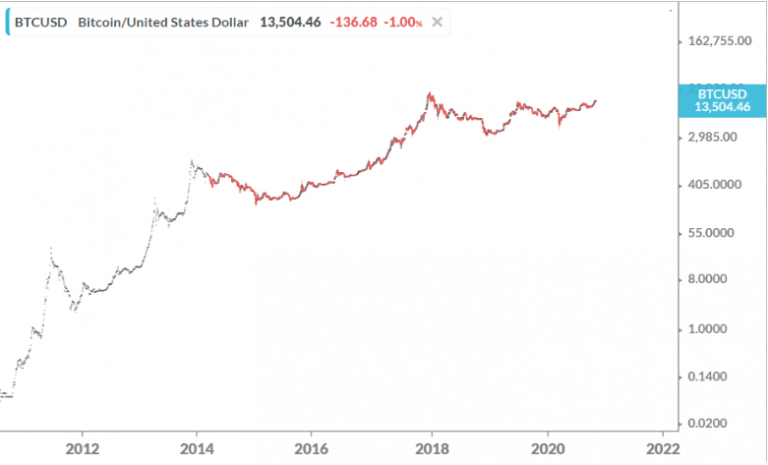
Bitcoin hyper price sets the stage for this enthralling narrative, offering readers a glimpse into a story that is rich in detail and brimming with originality from the outset.
As Bitcoin continues to dominate the cryptocurrency market, its hyper price phenomenon has become a focal point of interest for investors and economists alike. This discussion will explore the intricacies of hyper price events, tracing back the historical context and key factors that contribute to Bitcoin’s notorious volatility. By delving into economic implications, psychological influences, and technical analyses, we seek to provide a comprehensive overview of the landscape surrounding Bitcoin hyper price and what it means for the future of digital currency.
Overview of Bitcoin Hyper Price
Bitcoin hyper price refers to the extreme and often rapid fluctuations in the market value of Bitcoin, characterized by sudden spikes or drops in price. This phenomenon is significant as it can drastically influence investor behavior, market sentiment, and the overall stability of the cryptocurrency ecosystem. Understanding hyper price is crucial for both investors and enthusiasts, as it reflects the volatile nature of cryptocurrencies compared to traditional assets.Historically, the rise of Bitcoin hyper price can be traced back to key milestones in the cryptocurrency market, such as the 2013 bull run, where Bitcoin’s price surged from around $13 to over $1,000 in just a few months.
Events like regulatory announcements, technological developments, and macroeconomic trends have played pivotal roles in shaping Bitcoin’s price trajectory. These events have often led to speculative trading, contributing to the heightened volatility and hyperinflation scenarios.
Factors Contributing to Bitcoin Price Volatility
Several factors contribute to the volatility of Bitcoin prices, making it susceptible to hyper price phenomena. Understanding these elements is essential for grasping the dynamics of the cryptocurrency market.
- Market Sentiment: The collective mood of investors can cause rapid price changes. Positive news can lead to buying frenzies, while negative news can trigger panic selling.
- Regulatory Developments: Government regulations and policies can significantly impact Bitcoin’s market value. For instance, announcements regarding bans or endorsements can cause sharp price shifts.
- Technological Changes: Upgrades in the Bitcoin network, such as the implementation of the Lightning Network, can enhance its scalability and influence its price positively.
- Supply and Demand Dynamics: The limited supply of Bitcoin, capped at 21 million coins, creates an inherent scarcity that can drive prices up during high demand.
- Market Manipulation: The relatively low market capitalization of Bitcoin compared to traditional assets makes it susceptible to manipulation by large holders, known as “whales.” Their trading activities can have outsized effects on price.
- Macroeconomic Factors: Economic conditions, including inflation rates and currency devaluations, can lead investors to seek refuge in Bitcoin, further driving up its price during uncertain times.
“Bitcoin’s price can swing dramatically, sometimes resulting in significant gains or losses within a matter of hours.”
Economic Implications of Bitcoin Hyper Price
The rise of Bitcoin to hyper price levels carries significant economic implications that could reshape global economies and financial systems. As Bitcoin’s value skyrockets, its influence extends beyond individual investors and digital currency enthusiasts, potentially affecting broader economic dynamics. Understanding these implications is crucial for stakeholders across various sectors, including businesses, consumers, and policymakers.The hyper price of Bitcoin can lead to profound changes in consumer behavior and investment strategies.
As people begin to perceive Bitcoin as a viable alternative to traditional currencies, this shift may encourage a reallocation of resources and a reevaluation of investments. The allure of potential high returns could lead retail and institutional investors alike to prioritize Bitcoin over more conventional assets. Additionally, as businesses recognize the changing landscape, they may adapt their payment systems to accommodate Bitcoin transactions, further integrating the cryptocurrency into everyday commerce.
Impact on Global Economies and Financial Systems
The surge in Bitcoin’s value has the potential to disrupt traditional financial systems. A few key impacts include:
Currency Valuation
As Bitcoin becomes more mainstream, its hyper price could challenge the stability of fiat currencies. Countries with weaker currencies may see an increase in Bitcoin adoption as people seek to preserve wealth in a more stable asset.
Inflationary Pressures
Bitcoin’s scarcity, designed through its capped supply, contrasts sharply with the inflationary tendencies of fiat currencies. In countries experiencing hyperinflation, citizens may flock to Bitcoin as a hedge against the devaluation of their national currency.
Banking Sector Disruption
Traditional banks could face challenges as Bitcoin facilitates peer-to-peer transactions, reducing the need for intermediaries. This could lead to a reevaluation of banking services, fees, and the role banks play in facilitating payments.
Regulatory Responses
The rise of Bitcoin could provoke regulatory scrutiny as governments seek to manage potential risks associated with cryptocurrency investments. This could lead to the development of new laws and frameworks aimed at integrating Bitcoin more fully into national economies.
“Bitcoin represents a paradigm shift in the way value is stored and transmitted, challenging traditional economic models.”
The effects of Bitcoin’s hyper price can be compared with historical hyperinflation examples in fiat currencies, providing a lens through which to understand potential outcomes. Historical cases such as Zimbabwe in the late 2000s and Venezuela in the 2010s illustrate how hyperinflation can erode public trust in a currency, leading to drastic shifts in economic behavior. In these instances, citizens turned to foreign currencies and alternative forms of value, much like Bitcoin, to protect their assets from rapid devaluation.
Notable parallels include:
Loss of Faith in Currency
In hyperinflation scenarios, citizens often lose faith in their national currency, similar to how Bitcoin may be viewed as a trustworthy alternative when fiat currencies fail to maintain their value.
Asset Allocation Shifts
Just as people in hyperinflationary economies have historically shifted to foreign currencies or gold, the rise of Bitcoin as a hyper price asset can prompt similar behavioral changes among investors looking for stability.
Emergence of Alternative Economies
The transition to Bitcoin during times of economic instability echoes the historical instances where communities have resorted to barter systems or alternative currencies as a means of survival.The ongoing rise of Bitcoin’s hyper price raises essential discussions about the future of commerce, investment strategies, and the resilience of global financial systems in the face of unprecedented changes.
Psychological Factors Influencing Bitcoin Hyper Price

Investor psychology plays a crucial role in the dynamics of Bitcoin pricing, particularly during periods of hyper price fluctuations. Understanding the psychological factors that drive demand can offer insights into the volatility that characterizes the cryptocurrency market. As Bitcoin prices skyrocket, the behaviors and emotions of investors become critical in shaping the trajectory of these price movements, often leading to amplified effects in both directions.
Investor Psychology and Demand Dynamics
Investor psychology during hyper price events is largely influenced by emotions such as fear, greed, and the fear of missing out (FOMO). The excitement generated by rapidly rising prices often leads to a herd mentality, where individuals feel compelled to buy Bitcoin in large volumes simply to avoid being left behind. This behavior can create a rapid surge in demand, further escalating prices in a feedback loop of rising confidence and investor enthusiasm.
“The fear of missing out (FOMO) can lead to irrational investment decisions that inflate Bitcoin prices to unsustainable levels.”
This phenomenon is often witnessed in markets during bullish trends, where the potential for significant gains overshadows the associated risks. As prices climb, the psychological pressure to invest increases, often resulting in a disconnect between the asset’s fundamental value and its market price.
Impact of FOMO on Price Increases
FOMO is a powerful psychological driver that can tremendously impact Bitcoin’s price during hyper price events. Investors are often swayed by the stories of those who have successfully capitalized on price surges, which can lead to a rush of new buyers entering the market. This influx can create a self-reinforcing cycle, where:
- Increased buying activity raises prices further, fueling excitement.
- Media coverage of price movements attracts more investors.
- Social validation from peers reinforces the decision to invest.
As a result, Bitcoin’s price can experience dramatic spikes within short timeframes, with little regard for traditional valuation metrics. The urgency instilled by FOMO can lead to speculative bubbles, where prices become detached from underlying market fundamentals.
Role of Social Media and News in Shaping Perceptions
Social media platforms and news outlets have become integral in shaping investor sentiment around Bitcoin pricing. The rapid dissemination of information can significantly influence perceptions and, consequently, market behavior. The immediacy of social media allows for real-time updates on price changes, opinions from influential figures, and trending narratives. This can create a bandwagon effect, where individuals are more likely to invest based on viral trends rather than thorough analysis.
Additionally, sensational news stories can sway public opinion dramatically:
- Positive news coverage can encourage investment by presenting Bitcoin as a revolutionary financial instrument.
- Negative news reports can trigger panic selling, causing sharp declines in price.
Furthermore, platforms like Twitter and Reddit often serve as breeding grounds for speculation and rumor, which can further exacerbate price movements. The psychological impact of trending discussions among investors can create an echo chamber effect, where existing beliefs are reinforced, leading to heightened volatility.
Technical Analysis of Bitcoin Hyper Price Trends
The technical analysis of Bitcoin’s hyper price trends provides valuable insights into market behavior and potential future price movements. Understanding historical price spikes, trading volumes, and the application of technical indicators can help traders and investors make informed decisions in a volatile market.Analyzing past events is crucial for identifying patterns that could indicate future hyper price occurrences. By examining significant price spikes in Bitcoin’s history, we can glean insights into the causes behind sudden movements and the trading volumes during these events.
Furthermore, technical indicators can offer predictions on potential future hyper price scenarios.
Significant Price Spikes in Bitcoin’s History
The following table Artikels notable price spikes in Bitcoin’s history, alongside the corresponding dates and underlying causes. This data serves as a foundation for recognizing patterns that may signal future price volatility.
| Date | Price Spike (USD) | Cause |
|---|---|---|
| December 2017 | $19,783 | Speculation and media hype surrounding Bitcoin’s adoption |
| April 2021 | $64,863 | Institutional investment and PayPal announcing crypto services |
| November 2021 | $69,000 | Increased retail interest and the rise of NFTs |
Trading Volumes During Hyper Price Events
The trading volume during hyper price events is often a significant indicator of market sentiment. Analyzing these volumes can reveal underlying trends and potential reactions by traders. The following details highlight the importance of trading volumes during these key events:
Price Surge Correlation
Often, elevated trading volumes coincide with price increases, indicating a surge in demand.
Market Reactions
Increased trading volumes can also reflect panic buying or selling, particularly during significant price drops.
Volume Analysis Tools
Traders use volume indicators like On-Balance Volume (OBV) to assess the strength behind price movements.
Technical Indicators for Predicting Hyper Price Occurrences
Technical indicators play a pivotal role in predicting potential hyper price episodes. By evaluating historical data, traders can leverage specific indicators to anticipate market movements. Key indicators include:
Moving Averages
This helps smooth out price data to identify trends over time. A crossover of short-term moving averages above long-term ones often signals a bullish phase.
Relative Strength Index (RSI)
This momentum oscillator measures the speed and change of price movements, helping to identify overbought or oversold conditions.
Bollinger Bands
These bands illustrate volatility and potential price reversals by displaying price movements in relation to a moving average.By employing these indicators strategically, traders can enhance their market analysis and make more informed predictions about potential hyper price events in Bitcoin’s future trajectory.
Risks Associated with Bitcoin Hyper Price
The phenomenon of Bitcoin experiencing hyper price brings not only excitement but also significant risks that can impact investors and the broader financial landscape. Understanding these risks is crucial for anyone engaging with Bitcoin during periods of extreme price volatility. While the potential for massive gains is appealing, the associated dangers can lead to considerable losses and market instability.One of the main areas of concern involves regulatory challenges.
As Bitcoin’s price escalates rapidly, governments around the world may feel compelled to intervene to protect their economies or prevent speculative bubbles. This regulatory scrutiny can lead to sudden policy changes, which can drastically affect Bitcoin’s price stability.
Regulatory Concerns and Government Interventions
The increasing adoption of Bitcoin often raises alarms among regulatory bodies regarding consumer protection and financial integrity. Here are some potential regulatory risks:
- Increased Scrutiny: As Bitcoin gains popularity, governments may impose stricter regulations aimed at financial transparency and anti-money laundering (AML) compliance, which can create uncertainty among investors.
- Ban or Restriction on Trading: Some countries have considered outright bans or severe restrictions on Bitcoin trading, which can lead to immediate price drops and market panic.
- Taxation Changes: Sudden changes in tax policies related to cryptocurrency can affect investor behavior and market dynamics, leading to volatility.
- Security Regulations: Regulatory bodies may classify certain cryptocurrency transactions as securities, requiring compliance with extensive regulations that could hinder trading activities.
The potential for government intervention during hyper price scenarios underscores the inherent unpredictability of Bitcoin as an investment.
Market Manipulation Risks
Another significant risk during periods of hyper price is the possibility of market manipulation. The decentralized and relatively unregulated nature of cryptocurrency markets makes them susceptible to various forms of manipulation, with the following factors being particularly concerning:
- Pump and Dump Schemes: Unscrupulous traders may artificially inflate the price of Bitcoin through coordinated buying, only to sell off their holdings at the peak, leaving other investors with losses.
- Whale Activity: Large holders of Bitcoin, often referred to as “whales,” can influence prices by making large trades. Their actions can lead to rapid price fluctuations that may not reflect true market demand.
- Rumor and FUD (Fear, Uncertainty, Doubt): Misinformation can spread quickly in the crypto community, leading to panic selling or buying that distorts the market and causes erratic price movements.
- Exchange Practices: Some exchanges may engage in practices that manipulate trading volumes or prices to create an illusion of higher demand, further complicating the market landscape.
The risks associated with Bitcoin hyper price are multifaceted, with regulatory concerns and market manipulation standing out as primary threats. Investors should remain vigilant and informed to navigate this volatile environment effectively.
Future Projections for Bitcoin Hyper Price
The future of Bitcoin’s hyper price phenomena is a topic of considerable interest among investors and financial analysts alike. As the cryptocurrency market continues to evolve, various factors may influence the likelihood of future hyper price events for Bitcoin. This segment examines expert opinions and potential scenarios that could drive sustained hyper price movements.
Expert Opinions on Future Hyper Price Events
Financial experts have varying predictions regarding Bitcoin’s potential for future hyper price events. Some believe that increased institutional adoption and regulatory clarity could trigger a new wave of investment, leading to dramatic price surges. On the contrary, others caution about the volatility inherent in cryptocurrency markets, suggesting that while surges are possible, they may be short-lived and subject to rapid corrections.
Factors Leading to Sustained Hyper Price in Bitcoin
Several key factors may contribute to Bitcoin achieving sustained hyper price levels. Understanding these factors is essential for anticipating market movements:
- Increased Institutional Adoption: As major financial institutions enter the cryptocurrency space, demand for Bitcoin could significantly rise. For instance, the investments by firms like MicroStrategy and Tesla have already illustrated the impact of institutional interest.
- Scarcity Dynamics: With Bitcoin’s supply capped at 21 million coins, heightened demand amidst limited supply could lead to price escalations, especially as more people turn to Bitcoin as a hedge against inflation.
- Technological Innovations: Developments in Bitcoin’s underlying technology, such as enhancements in scalability and transaction speed, could make it more attractive, potentially driving up its price.
- Global Economic Conditions: Macroeconomic factors, including geopolitical tensions and economic crises, may lead people to seek refuge in Bitcoin, enhancing its appeal and contributing to hyper price conditions.
Projected Bitcoin Prices Based on Current Trends
To illustrate potential future Bitcoin prices, consider a chart that maps projected prices against various scenarios. Below is a conceptual description of how this chart could be constructed:
| Scenario | Projected Price (USD) | Time Frame |
|---|---|---|
| Increased Institutional Adoption | $150,000 | 2024 |
| Global Economic Crisis | $200,000 | 2025 |
| Technological Advancement | $120,000 | 2023 |
| Continued Regulatory Clarity | $180,000 | 2026 |
“Bitcoin operates on a fundamental principle of supply and demand, which remains a critical factor in its pricing dynamics.”
In conclusion, while the future of Bitcoin’s hyper price is uncertain, several scenarios and factors might shape its trajectory. Engaging with these insights can help investors navigate the complexities of the cryptocurrency market.
Case Studies of Historical Hyper Price Events
The phenomenon of Bitcoin hyper price events has captivated investors, traders, and analysts alike. These dramatic surges in price often lead to widespread attention and speculation, influencing market behavior and investment strategies. Understanding these historical incidents provides valuable insights into the dynamics of the cryptocurrency market.Examining Bitcoin’s hyper price events reveals not only the volatility inherent in cryptocurrency but also parallels with other altcoins that have experienced similar episodes.
Analyzing these moments helps to identify patterns and psychological factors that drive investor behavior during such times.
Significant Historical Hyper Price Events
Several key moments in Bitcoin’s history stand out due to their rapid price increases and subsequent market effects. The following notable events illustrate the dramatic nature of Bitcoin’s price fluctuations:
- 2013 Surge: Bitcoin’s price skyrocketed from around $13 in January to over $1,100 by December, driven by increasing media coverage, a growing user base, and heightened interest from investors. This surge culminated in a speculative bubble, leading to a sharp correction.
- 2017 Bull Run: This year marked an extraordinary period when Bitcoin’s price jumped from just under $1,000 in January to nearly $20,000 by December. Factors such as the introduction of Bitcoin futures and increased institutional interest played significant roles in this hyper price event.
- 2020-2021 Rally: The price of Bitcoin surged from around $7,000 in January 2020 to an all-time high of approximately $64,000 in April 2021. Institutional adoption, driven by companies like MicroStrategy and Tesla, alongside increased mainstream attention, fueled this remarkable rise.
Comparative Analysis with Other Cryptocurrencies
While Bitcoin is often the focus of hyper price discussions, other cryptocurrencies have experienced similar price surges, creating a compelling comparative analysis.
- Ethereum in 2017: Ethereum’s price rose from around $8 at the beginning of the year to over $1,400 by January 2018, driven by the emergence of decentralized applications and Initial Coin Offerings (ICOs). This was a pivotal moment that showcased Ethereum’s potential beyond mere currency.
- Dogecoin in 2021: Originally created as a joke, Dogecoin’s price skyrocketed from fractions of a cent to over $0.70 in May 2021, largely fueled by online communities and endorsements from celebrities such as Elon Musk.
- Litecoin’s Initial Surge: In late 2017, Litecoin saw a price increase from approximately $50 to over $350, capitalizing on Bitcoin’s success while positioning itself as the ‘silver’ to Bitcoin’s ‘gold’.
Narratives from Investors and Traders
The experiences of individuals who navigated through periods of hyper price are invaluable for understanding the emotional and psychological aspects of investing in cryptocurrencies.
“During the 2017 bull run, I was skeptical at first. But as Bitcoin soared, I couldn’t resist. I invested heavily and watched my portfolio grow exponentially, but the crash that followed taught me the importance of taking profits at the right time.” – A seasoned trader.
“I bought my first Bitcoin back in 2013, and when the price hit $1,100, I thought I was a financial genius. Little did I know, I would have to wait years for it to hit those heights again. Patience is key in this volatile market.” – An early Bitcoin adopter.
The stories and lessons learned from these hyper price events highlight the blend of excitement and caution that accompanies cryptocurrency investment. The volatility of Bitcoin and its counterparts creates a unique investing landscape, where fortunes can be made or lost in an instant. These historical narratives provide not just a glimpse into the past but also serve as cautionary tales for future investors in the ever-evolving crypto space.
Strategies for Navigating Bitcoin Hyper Price
In the volatile environment of Bitcoin trading, especially during hyper price phases, investors must adopt effective strategies to mitigate risks and capitalize on opportunities. Understanding these strategies is vital for navigating the psychological and economic implications that accompany rapid price movements.
Risk Mitigation Strategies
To minimize the potential downsides during hyper price phases, investors can adopt several risk mitigation strategies. These strategies focus on preserving capital while optimizing investment returns.
- Set Stop-Loss Orders: Implementing stop-loss orders can help limit potential losses by automatically selling Bitcoin when it reaches a predetermined price. This is crucial in a hyper price scenario where fluctuations can occur rapidly.
- Utilize Dollar-Cost Averaging: By investing a fixed amount of money at regular intervals, investors can reduce the impact of volatility. This approach spreads out the investment over time, potentially mitigating the risk of making a large investment at the peak of a price surge.
- Establish Profit-Taking Points: It is wise to set predefined levels for taking profits. This ensures that investors lock in gains during a price surge before a potential correction occurs.
Portfolio Diversification Methods
Diversifying a portfolio is essential for reducing risk exposure in the cryptocurrency market, particularly during significant price movements. A well-diversified portfolio can cushion against market volatility while allowing for potential growth.
- Include Altcoins: Investing in a mix of cryptocurrencies beyond Bitcoin can provide a hedge against Bitcoin’s price volatility. Assets like Ethereum, Cardano, or Solana may perform differently and can balance the overall portfolio.
- Invest in Different Asset Classes: Incorporating traditional assets such as stocks, bonds, or commodities alongside cryptocurrencies can enhance stability. Each asset class reacts differently to market conditions, providing risk mitigation.
- Adopt a Balanced Approach: Maintaining a blend of high-risk and low-risk investments allows for potential high returns while safeguarding against losses. For example, allocating a portion of the portfolio to safer assets can balance the risks associated with Bitcoin investments.
Tools and Resources for Traders
Traders can leverage various tools and resources to better understand and react to hyper price movements in Bitcoin. Utilizing these resources enhances decision-making and market analysis.
- Charting Software: Advanced charting tools, such as TradingView or Coinigy, allow traders to visualize price movements and apply technical analysis indicators. These tools help in identifying trends, support and resistance levels, and potential reversal points.
- Market News Aggregators: Platforms like CoinDesk or CryptoSlate provide real-time news updates that can influence Bitcoin prices. Staying informed about market developments is crucial for timely trading decisions.
- Social Media Sentiment Analysis: Tools that analyze social media sentiment, such as LunarCrush, can offer insights into market psychology. Understanding public sentiment can help traders anticipate price movements during hyper price phases.
Conclusive Thoughts
In conclusion, understanding Bitcoin hyper price is not just about tracking numbers; it’s about comprehending the broader implications on global economies, investor behaviors, and market dynamics. As we have unraveled the various dimensions of hyper price phenomena, it becomes evident that both opportunities and risks abound in this volatile environment. Staying informed and adapting strategies will be crucial for investors navigating these turbulent waters as we look ahead to future price trends in Bitcoin.
Essential FAQs
What is Bitcoin hyper price?
Bitcoin hyper price refers to extreme price increases in Bitcoin over a short period, often associated with market volatility and speculation.
How does Bitcoin hyper price affect global economies?
It can lead to increased speculation, potential market instability, and may impact traditional financial systems due to its significant influence.
What factors contribute to Bitcoin’s price volatility?
Market sentiment, regulatory news, technological developments, and macroeconomic conditions are some key factors influencing price volatility.
Can Bitcoin hyper price occur again in the future?
Yes, experts suggest that future hyper price events are possible, depending on market trends, investor behavior, and external economic factors.
How can investors mitigate risks during hyper price phases?
Diversifying portfolios, staying informed, and using risk management tools are effective strategies for mitigating risks during such phases.