April 16, 2026

Month: June 2025

Purchasing Bitcoin using credit cards is a popular method, but it’s essential to understand the nuances and associated risks. This guide delves into the process, exploring various platforms, security measures, and potential alternatives. Navigating the complexities of cryptocurrencies can be daunting, but this comprehensive overview simplifies the process.

From understanding the diverse payment methods to comparing the pros and cons of using credit cards, this resource equips you with the knowledge to make informed decisions. We’ll explore the security protocols in place to protect your transactions and identify reputable platforms.

Understanding Bitcoin Purchase Methods

Acquiring Bitcoin involves various methods, each with its own set of advantages and disadvantages. Choosing the right approach depends on individual needs, risk tolerance, and the level of security desired. This section delves into the available options, comparing and contrasting their characteristics, and outlining crucial security measures.Bitcoin transactions, while often associated with decentralized finance, still require interaction with intermediaries or platforms.

Understanding these intermediaries and their respective roles is key to navigating the process safely and effectively.

Direct Exchange with Other Users

Direct exchanges with other users, often facilitated through peer-to-peer (P2P) platforms, provide an alternative to traditional exchanges. This method often involves direct negotiations and transactions between individuals.This approach offers the potential for lower fees compared to exchange platforms. However, security risks are significantly higher due to the lack of regulatory oversight and potential for scams. Verification of the seller’s identity and the transaction’s legitimacy is crucial.

Using a Bitcoin Exchange Platform

Bitcoin exchange platforms are centralized services that connect buyers and sellers of Bitcoin. They offer a structured environment for transactions, facilitating the exchange of fiat currencies (like USD or EUR) for Bitcoin. These platforms often provide user interfaces for buying and selling, and often support a range of payment methods. They generally have established security measures, but users still need to exercise caution regarding platform security and compliance with their terms of service.

Using a Bitcoin Brokerage

Bitcoin brokerage services are similar to exchange platforms but often specialize in offering investment services related to Bitcoin. These services may provide additional investment tools, educational resources, and potentially lower fees for larger transactions. They may also provide custodial services, meaning they hold the Bitcoin on behalf of the user, although this introduces a level of trust and potential security concerns.

Users need to thoroughly research the brokerage’s security protocols and track record.

Buying Bitcoin Through a Payment Processor

Some payment processors facilitate the purchase of Bitcoin using credit or debit cards. This method is convenient for users familiar with online payment systems. However, this method often incurs higher transaction fees compared to other methods. Security relies on the payment processor’s security measures, as well as the user’s vigilance regarding potential fraud.

Comparison Table of Bitcoin Purchase Methods

Method Name Pros Cons Security Considerations
Direct Exchange Potentially lower fees High security risk, lack of platform protection Verify seller identity, use secure communication channels, avoid suspicious offers
Exchange Platform Structured environment, user-friendly interface, various payment methods Fees, potential security vulnerabilities in the platform Choose reputable platforms, monitor account activity, adhere to platform security guidelines
Bitcoin Brokerage Investment tools, potentially lower fees for large transactions, custodial services Fees, level of trust in the brokerage, potential for custodial risks Thorough research, review security protocols, understand terms of service
Payment Processor Convenience of credit/debit card payments Higher transaction fees, reliance on payment processor security Verify payment processor reputation, use strong passwords, monitor account activity

Credit Card Transactions for Bitcoin Purchases

Using credit cards to buy Bitcoin is a common method, but it’s crucial to understand the process and associated risks. This method offers convenience, but users must be aware of potential security and financial implications. A deeper understanding of the involved parties, the typical transaction steps, and security measures is vital.

Prevalence of Credit Card Use for Bitcoin Purchases

Credit card use for Bitcoin purchases has increased significantly alongside Bitcoin’s growing popularity. Many platforms now accept credit cards as payment options, making Bitcoin accessible to a broader range of users. This convenience often outweighs the need for more complex payment methods like bank transfers for many consumers.

Typical Transaction Process

The typical process involves a user selecting a Bitcoin exchange or platform that supports credit card payments. The user then inputs their credit card details, confirms the transaction, and specifies the amount of Bitcoin they wish to purchase. The platform processes the transaction through a payment gateway, typically involving an intermediary like a payment processor. Finally, the Bitcoin is credited to the user’s account.

Security Measures in Credit Card-Based Bitcoin Purchases

Platforms implementing credit card transactions for Bitcoin purchases often employ robust security measures to protect user data. These measures typically include secure socket layer (SSL) encryption, data validation procedures, and compliance with industry security standards. Regular security audits and fraud detection systems are also commonly in place. The security measures aim to protect against unauthorized access and fraudulent activities.

Common Payment Processors and Platforms

Several payment processors and Bitcoin platforms facilitate credit card transactions. Popular options include Coinbase, Kraken, and Gemini. These platforms often partner with major payment processors to handle the credit card processing. This partnership ensures efficient and secure transactions for users.

Potential Risks and Limitations

While convenient, credit card-based Bitcoin purchases have inherent risks. These include potential credit card fraud, transaction fees, and fluctuating exchange rates. Users should carefully review platform terms and conditions and transaction fees before initiating a purchase. Additionally, credit card transaction limits may apply, impacting the maximum amount of Bitcoin that can be purchased.

Comparison of Platforms Facilitating Credit Card Purchases

Platform Security Measures Transaction Fees Exchange Rate User Reviews
Coinbase Strong SSL encryption, advanced fraud detection Variable, typically low Competitive, often updated regularly Generally positive, user-friendly interface
Kraken Multi-layered security protocols, KYC verification Variable, can be slightly higher than Coinbase Competitive, real-time updates Positive, known for advanced features
Gemini Industry-standard security, strong regulatory compliance Generally low, transparent Competitive, consistent Positive, emphasizes security and user experience

Exploring “Buy Bitcoin” Transactions

Buying Bitcoin involves a variety of methods and platforms, each with its own nuances. Understanding these options is crucial for making informed decisions about your Bitcoin investments. This section provides a comprehensive overview of the process, highlighting key considerations.The term “buy Bitcoin” encompasses a range of transactions, from simple exchanges to more complex options. It signifies acquiring Bitcoin using various methods, from direct purchases with fiat currency to trading it on specialized exchanges.

The process of buying Bitcoin often involves selecting a platform, initiating a transaction, and confirming the purchase.

Different Ways to Buy Bitcoin

Various platforms offer avenues for acquiring Bitcoin. These range from established exchanges to peer-to-peer (P2P) marketplaces, each presenting distinct characteristics. Direct purchases from individuals or businesses, while sometimes available, are often less common and can present heightened risks. Different platforms may cater to different needs, from novice users to seasoned investors.

  • Exchanges: Major cryptocurrency exchanges are frequently used for buying Bitcoin. These platforms usually offer a wider range of trading options and often integrate with other financial services. The process typically involves creating an account, depositing fiat currency, and placing an order to purchase Bitcoin.
  • P2P Marketplaces: P2P marketplaces connect buyers and sellers directly. This approach can be appealing for its potential to avoid fees charged by exchanges. However, buyer and seller verification and security are crucial considerations.
  • Brokerages: Some brokerages now offer Bitcoin as an investment option. This allows investors to buy and sell Bitcoin through a familiar platform, often alongside other traditional investments.
  • Retailers: Some retailers now accept Bitcoin for purchases. This approach offers a limited avenue for buying Bitcoin, but it’s a practical way for consumers to gain exposure.

Platforms Facilitating Bitcoin Purchases

Several platforms offer the ability to purchase Bitcoin. These vary significantly in terms of features, fees, and security protocols. Comparing these factors is essential to choosing a suitable platform.

Platform Features Fees Security Protocols
Coinbase User-friendly interface, wide range of supported payment methods, robust security measures Variable, often tiered based on transaction volume Two-factor authentication, advanced fraud detection systems
Kraken High-volume trading capabilities, advanced order types, global reach Variable, often lower for high-volume users Multi-signature wallets, cold storage solutions
Binance Large trading volume, wide range of cryptocurrencies available Variable, often lower for high-volume users Advanced security measures, including multi-factor authentication
LocalBitcoins Direct peer-to-peer transactions, potentially lower fees Variable, often dependent on the seller User verification, platform guidelines for safety

How Platforms Handle Bitcoin Purchase Requests

The process of purchasing Bitcoin on various platforms differs. Exchanges typically involve creating an account, depositing funds, and placing an order. P2P platforms often involve direct communication between buyers and sellers, facilitating a more customized transaction. Security protocols and verification procedures vary across platforms, influencing the overall security of the transaction. It is crucial to thoroughly understand the specific steps required by each platform.

Potential Benefits of Different Options

Different options for buying Bitcoin provide varying advantages. Exchanges offer ease of use and often integrate with other financial tools. P2P platforms can potentially offer lower fees, but require greater diligence. Brokerages may simplify access for traditional investors, while retailers may provide a novel purchasing experience. The best option depends on individual needs and risk tolerance.

Platforms Facilitating Bitcoin Purchases

Several online platforms now facilitate the purchase of Bitcoin using credit cards. These platforms offer convenience for users seeking to acquire Bitcoin without the need for traditional banking exchanges. They operate as intermediaries, connecting buyers with Bitcoin sellers and handling the transactions.

Prominent Bitcoin Purchase Platforms

These platforms often present a user-friendly interface for navigating the process of purchasing Bitcoin. A variety of features are typically available, such as different payment options, including credit cards.

Typical Transaction Fees

Transaction fees on these platforms vary significantly depending on the platform, the amount being purchased, and other factors. These fees are usually transparently displayed to the user during the transaction process. They typically consist of fees charged by the platform itself, network fees for the Bitcoin transaction, and sometimes, credit card processing fees. Understanding these costs before initiating a purchase is essential for budgeting.

Security Measures

Robust security measures are employed by reputable platforms to protect user data and funds. These measures often include secure payment gateways, encryption protocols to protect sensitive information, and multi-factor authentication. User accounts are often protected by strong passwords and regular security audits to minimize the risk of fraud. Data protection is a paramount concern, especially with financial transactions.

Reliability and Reputation

User reviews and industry recognition are valuable indicators of a platform’s reliability and reputation. Negative reviews, security breaches, or legal issues could signal potential risks. Investigating user reviews and researching the platform’s history and background helps gauge the platform’s reliability. Platforms with a history of trustworthy operations and user satisfaction are often preferable.

User Verification Processes

User verification processes on these platforms vary. These processes are typically designed to confirm the user’s identity to prevent fraudulent activities and comply with regulatory requirements. Verification may involve providing personal information, such as government-issued identification, and may involve additional checks.

Platform Comparison Table

Platform Features Security Protocols User Reviews
Coinbase Wide range of payment options, user-friendly interface, established platform Secure payment gateways, two-factor authentication, strong encryption Generally positive, highlighting ease of use and security
Kraken Robust trading platform, diverse Bitcoin services, advanced tools Strong security measures, secure servers, encryption protocols Mixed reviews, some users report issues with support or specific features
Gemini User-friendly interface, high-security measures, strong reputation Secure payment gateways, multi-factor authentication, compliance with regulations Generally positive, highlighting the platform’s reliability and security
Bitstamp Established platform with a large user base, multiple cryptocurrencies Robust security measures, secure servers, compliance with regulations Positive reviews, with users praising the platform’s security and trading options

Security Considerations

Purchasing Bitcoin with credit cards necessitates robust security measures to safeguard your funds and personal information. A vigilant approach to platform selection, transaction protocols, and personal security practices is paramount. This section details crucial security protocols to ensure a secure Bitcoin acquisition process.

Essential Security Protocols

Protecting your Bitcoin purchases involves adhering to a multi-faceted approach. This includes selecting reputable platforms, employing strong passwords and authentication methods, and diligently safeguarding your Bitcoin keys. Thorough research and due diligence are essential for selecting platforms and vendors that prioritize security.

Secure Platforms and Reputable Vendors

Choosing reputable Bitcoin exchange platforms is critical. Look for platforms with strong security measures, transparent policies, and positive user reviews. Verify the platform’s security certifications and compliance with industry standards. Check for customer support and their response time in case of any issues. Avoid platforms with questionable reputations or lack of transparency.

This precaution is vital to mitigating risks.

Protecting Against Fraudulent Activities

Vigilance against fraudulent activities is crucial. Be wary of unsolicited emails or messages promising high returns or offering “too-good-to-be-true” deals. Never share your personal or financial information with unverified sources. Be cautious about clicking links from unknown senders, as they could lead to phishing attempts. Regularly monitor your accounts for any suspicious activity and report any irregularities promptly.

This diligence is essential for preventing fraudulent access to your funds.

Strong Passwords and Two-Factor Authentication

Robust password security is a fundamental defense mechanism. Employ strong, unique passwords for your accounts. Avoid using easily guessable passwords, and consider using a password manager to generate and store complex passwords securely. Activating two-factor authentication (2FA) adds an extra layer of security. This adds a significant barrier to unauthorized access.

Secure Storage and Handling of Bitcoin Keys

Your Bitcoin private keys are the most sensitive aspect of your Bitcoin holdings. Never share your private keys with anyone, not even trusted individuals. Store your private keys securely in a hardware wallet or a reputable online storage service that employs strong encryption. Do not write down your private keys in easily accessible locations. Protecting your private keys is paramount to maintaining control of your Bitcoin holdings.

Common Security Risks and Mitigation Strategies

Security Risk Mitigation Strategy
Phishing attacks Verify the legitimacy of emails and websites before sharing personal information. Look for official branding and secure connections.
Malware infections Install reputable antivirus software and keep it updated. Avoid downloading files from untrusted sources.
Weak passwords Use strong, unique passwords for all accounts. Consider a password manager for safe storage and generation.
Social engineering Do not share personal information with unverified individuals or entities. Exercise caution when dealing with unsolicited requests.
Platform vulnerabilities Choose reputable platforms with robust security measures. Research and verify platform security and transparency.

Alternatives to Credit Card Purchases

Purchasing Bitcoin with a credit card is convenient but carries potential risks. Alternative payment methods offer varying levels of security and accessibility, each with its own set of advantages and disadvantages. Understanding these alternatives is crucial for making informed decisions when acquiring Bitcoin.

Alternative Payment Methods

Various methods exist beyond credit cards for acquiring Bitcoin. These methods often cater to different needs and preferences, reflecting the diverse landscape of digital asset transactions. Different payment methods may be more suitable for certain users, depending on their financial situation and level of comfort with various platforms.

Bank Transfers

Bank transfers, often facilitated through peer-to-peer (P2P) platforms, provide a direct, secure method for exchanging funds. This approach typically involves initiating a wire transfer from a bank account to a recipient’s bank account, facilitating the Bitcoin transaction.

Other Digital Wallets

Using other digital wallets allows users to send and receive cryptocurrencies, potentially circumventing credit card involvement. These wallets function as digital repositories for cryptocurrency holdings, and the user can send Bitcoin from their existing wallet to the desired recipient. Specific crypto exchanges or platforms may provide this functionality.

Prepaid Cards

Prepaid cards offer a convenient and potentially secure way to buy Bitcoin without using a credit card. These cards are loaded with a specific amount of money, and the user can then utilize them to purchase Bitcoin on a designated platform.

Cryptocurrency Exchanges

Many cryptocurrency exchanges allow users to deposit funds directly from other cryptocurrency wallets or accounts. This approach typically involves transferring funds from one cryptocurrency account to another, potentially streamlining the process for users already involved in the cryptocurrency ecosystem.

Table of Alternative Payment Methods

Payment Method Advantages Disadvantages Associated Fees
Bank Transfers (P2P) Generally secure, potentially lower fees than credit cards Slower transaction times, may require verification processes Variable; may include bank transfer fees and platform fees
Other Digital Wallets Convenient for existing cryptocurrency users, often low fees Security depends on the wallet provider, potential for loss if wallet is compromised Typically low or nonexistent, but can vary based on the platform
Prepaid Cards Convenient, can be used without a credit card, potentially easier to use for those unfamiliar with crypto May have transaction limits, can be more expensive compared to other options, often require additional fees for prepaid card use May include card loading fees, platform fees, and potential processing fees
Cryptocurrency Exchanges Direct exchange, often low fees for experienced users, can facilitate buying from other cryptocurrency accounts Security relies on the platform’s security, potential for exchange-specific issues Variable; often low or nonexistent for direct cryptocurrency transfers

Ending Remarks

In conclusion, buying Bitcoin with credit cards presents a convenient option, but understanding the associated risks is crucial. This guide has highlighted the importance of secure platforms, strong passwords, and alternative payment methods. By carefully considering the various factors Artikeld, you can confidently navigate the world of Bitcoin purchases.

FAQ Explained

Can I use any credit card to buy Bitcoin?

Most platforms accept major credit cards, but specific restrictions might apply depending on the issuer and the platform.

What are the typical fees for using credit cards to buy Bitcoin?

Fees vary significantly between platforms and often include transaction fees and potentially, a small markup on the Bitcoin price.

What are some reliable platforms for buying Bitcoin with credit cards?

Several reputable platforms facilitate these transactions. Research and compare features, fees, and security protocols before making a choice.

What are the alternative payment methods for buying Bitcoin?

Alternative methods include bank transfers, peer-to-peer exchanges, and other digital wallets. Each method comes with its own set of advantages and disadvantages.

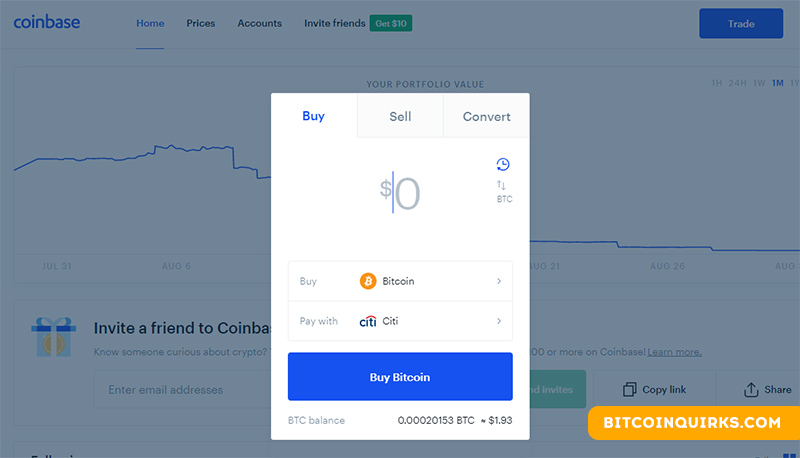
Buying Bitcoin with a credit card on Coinbase is a straightforward process, though it’s essential to understand the steps and associated costs. This guide will walk you through the entire process, from account setup to successful Bitcoin acquisition, highlighting crucial security measures and alternative payment methods.

Coinbase, a popular cryptocurrency exchange, offers a user-friendly platform for purchasing Bitcoin. This guide details the process, including the different account types available, security measures in place, and alternative payment methods. We’ll also address potential issues and risks, providing valuable insights for a secure and informed Bitcoin purchase.

Introduction to Bitcoin and Coinbase

Bitcoin, a decentralized digital currency, emerged in 2009. Its value fluctuates significantly, influenced by market forces, adoption rates, and regulatory developments. Bitcoin’s unique characteristic is its limited supply, which, in theory, can affect its price. This has attracted both investors and critics. It offers the potential for high returns, but also carries substantial risk.

Its history is marked by periods of extreme volatility.Coinbase is a prominent cryptocurrency exchange platform that facilitates buying, selling, and holding various cryptocurrencies, including Bitcoin. It offers a user-friendly interface and a range of features for managing digital assets. It has played a crucial role in the wider adoption of cryptocurrencies. The platform’s security measures and regulatory compliance are important considerations for users.

Creating a Coinbase Account

Setting up a Coinbase account is a straightforward process. Users are required to provide personal information and complete verification steps to ensure account security. This process is crucial for safeguarding both user funds and the platform’s integrity. The verification process typically involves submitting government-issued identification documents.

Verifying User Identity

Coinbase’s verification process aims to mitigate risks associated with fraudulent activities. This includes verifying user identity through documents like driver’s licenses or passports. This step is essential for maintaining a secure and trustworthy platform. Thorough verification procedures help protect both users and the platform.

Coinbase Account Types

Coinbase offers various account types tailored to different user needs. Understanding the distinctions between these account types is vital for selecting the most appropriate option. This selection depends on factors like trading volume, transaction frequency, and investment goals.

Account Type Features Suitable for
Basic Limited trading, basic features Users who occasionally buy or sell cryptocurrencies
Pro Advanced trading tools, higher transaction limits Active traders and institutional investors
Institutional Dedicated support, advanced security measures, high volume trading Large institutional investors and businesses

Understanding the Process of Buying Bitcoin

Purchasing Bitcoin with a credit card on Coinbase is a straightforward process, though it’s important to understand the steps involved, the security measures in place, and the associated fees. This section details the entire process, from initiating the transaction to confirming the purchase on the Coinbase platform.Buying Bitcoin with a credit card on Coinbase is a popular method due to its relative ease of use.

Coinbase provides a secure platform for executing these transactions, while users should remain aware of the fees involved.

Steps Involved in Purchasing Bitcoin

The process of buying Bitcoin on Coinbase using a credit card involves several key steps. Following these steps carefully will ensure a smooth and secure transaction.

  1. Accessing the Coinbase Platform: Log in to your Coinbase account. Ensure your account details are accurate and up-to-date. This is a crucial first step to avoid potential issues during the transaction process.
  2. Navigating to the Buying Page: Locate the Bitcoin purchase section on the Coinbase platform. This usually involves selecting the Bitcoin icon or a similar designated area.
  3. Specifying the Bitcoin Amount: Input the amount of Bitcoin you wish to purchase. Coinbase will typically display the equivalent USD value based on the current market price.
  4. Reviewing the Transaction: Double-check the details of your purchase, including the amount of Bitcoin, the corresponding USD value, and the applicable fees. This step is crucial for confirming the transaction aligns with your intentions.
  5. Authorizing the Payment: Enter your credit card details, and follow the platform’s instructions to authorize the payment. Coinbase uses secure protocols to protect your sensitive information.
  6. Confirming the Purchase: Once the payment is authorized, you’ll receive confirmation from Coinbase. The Bitcoin will be added to your Coinbase account balance.

Security Measures Implemented by Coinbase

Coinbase employs robust security measures to protect user accounts and transactions. These measures help safeguard your financial information and Bitcoin holdings.

  • Two-Factor Authentication (2FA): Coinbase strongly recommends enabling 2FA for added security. This involves receiving a code via a mobile device or authenticator app, requiring two forms of verification to access your account.
  • Advanced Encryption: Coinbase utilizes industry-standard encryption protocols to protect sensitive data during transactions. This includes data in transit and stored within the platform.
  • Regular Security Audits: Coinbase conducts regular security audits and vulnerability assessments to identify and address potential risks. This proactive approach helps maintain a secure platform.

Fees Associated with Buying Bitcoin

Buying Bitcoin on Coinbase involves various fees, which can influence the overall cost. It’s crucial to understand these fees to make informed purchasing decisions.

  • Transaction Fees: Coinbase charges transaction fees on each Bitcoin purchase. These fees are typically a small percentage of the transaction amount.
  • Credit Card Markups: Some credit cards may charge markups on transactions made for cryptocurrencies. This can increase the effective cost of the purchase.

Navigating the Coinbase Platform

Navigating the Coinbase platform for Bitcoin purchases is intuitive. Follow these steps to execute a purchase smoothly.

  1. Login: Access your Coinbase account. Ensure the correct account is selected if using multiple accounts.
  2. Navigate to the Buy Page: Locate the Bitcoin purchase section. Usually, you’ll find a dedicated tab or button labeled “Buy Bitcoin” or similar.
  3. Enter the Amount: Input the desired amount of Bitcoin you want to buy.
  4. Review and Confirm: Carefully review the transaction details before proceeding. Verify the amount, fees, and other relevant information.
  5. Authorize Payment: Follow the on-screen instructions to authorize the payment using your credit card.
  6. Confirm Purchase: Once the payment is authorized, you’ll receive confirmation from Coinbase, indicating the Bitcoin has been added to your account.

Exploring Alternative Methods of Bitcoin Purchases

How to Buy Bitcoin Using Coinbase - Bitcoin Quirks

Beyond credit cards, Coinbase offers various methods for acquiring Bitcoin. Understanding these alternatives empowers users to choose the most suitable option based on their individual needs and circumstances. Different payment methods cater to diverse preferences and financial situations.While credit cards offer convenience, other options provide alternative pathways for purchasing Bitcoin. These methods often come with varying levels of speed, cost, and security considerations.

A comparative analysis can guide users towards the most appropriate choice.

Alternative Payment Methods on Coinbase

Coinbase supports several payment methods besides credit cards. These options often offer distinct advantages and disadvantages in terms of speed, cost, and security. A careful evaluation of each method is crucial.

  • Bank Transfers: This method typically involves transferring funds directly from a bank account to a Coinbase account. This process can be suitable for those seeking a secure and straightforward approach, albeit often with a slower transaction time compared to other methods.
  • Debit Cards: Debit cards allow for a quicker purchase process, similar to credit cards, but are tied directly to a bank account. This method can be convenient, though security measures should be taken into consideration.
  • ACH (Automated Clearing House) Transfers: ACH transfers are electronic funds transfers that facilitate the movement of funds between bank accounts. This method is commonly used in the US and is generally a secure and efficient way to transfer funds for Bitcoin purchases.
  • Wire Transfers: Wire transfers are another electronic method of transferring funds from one bank account to another. This can be used to fund Bitcoin purchases but may incur additional fees and take longer than other methods.

Comparing Payment Methods

The table below illustrates a comparison of different payment methods, focusing on speed, cost, and security. This comparison aids in selecting the optimal method.

Payment Method Speed Cost Security
Credit Card Generally fast Potentially higher fees, depending on the card and transaction amount Relatively secure if used on a secure platform
Bank Transfer Slower Generally lower fees Secure, typically involves multiple steps for verification
Debit Card Generally fast Potentially lower fees compared to credit cards Secure, but tied to a bank account
ACH Transfer Moderate speed Usually low cost Secure, electronically processed transaction
Wire Transfer Slower Potentially higher fees Secure, often used for larger transactions

Addressing Potential Issues and Risks

Purchasing Bitcoin with a credit card, while convenient, presents inherent risks. Understanding these risks and taking proactive steps to mitigate them is crucial for a safe experience. This section details common problems, associated dangers, and protective measures.The allure of quick access to Bitcoin through credit cards can sometimes overshadow the potential pitfalls. These pitfalls, if not addressed carefully, can lead to significant financial losses or other negative consequences.

Common Issues with Credit Card Bitcoin Purchases

Users may encounter difficulties with transaction processing, such as delays or rejection of payments. Technical glitches on the Coinbase platform or issues with the user’s credit card network can lead to these problems. Additionally, incorrect account information input or insufficient funds in the linked account can cause payment failures. Furthermore, the user might experience issues with confirming the transaction or receiving the purchased Bitcoin.

Risks Associated with Buying Bitcoin and Credit Cards

Using credit cards for Bitcoin purchases introduces financial risks. Unsecured or poorly secured credit accounts can be vulnerable to unauthorized transactions, especially if the user’s account credentials are compromised. Furthermore, the volatility of the Bitcoin market means the value of the purchased Bitcoin can fluctuate significantly, potentially resulting in losses. Additionally, the user might face unexpected fees or charges related to the credit card transaction or the Bitcoin exchange.

Protecting Against Scams and Fraudulent Activities

It is essential to verify the legitimacy of any Bitcoin-related website or platform before making a purchase. Look for secure websites with appropriate security certifications, like HTTPS, and be cautious of unsolicited emails or messages offering investment opportunities. Do not share personal or financial information with unknown entities. Regularly monitor your credit card statements for any suspicious transactions.

Steps to Take if a Problem or Fraud Occurs

If a user encounters a problem with a Bitcoin purchase, contacting Coinbase support immediately is essential. Document all communications and transactions. If fraud is suspected, immediately report the fraudulent activity to the credit card issuer and the relevant authorities. Follow the instructions provided by Coinbase and the credit card company to resolve the issue. Review your transaction history carefully.

Security Tips for Safe Bitcoin Transactions

  • Strong Passwords: Use strong, unique passwords for your Coinbase account and other online accounts. Consider using a password manager for secure password generation and storage.
  • Two-Factor Authentication (2FA): Enable 2FA for your Coinbase account to add an extra layer of security. This requires a secondary verification method beyond a password.
  • Regular Account Monitoring: Regularly review your Coinbase account activity and credit card statements for any unusual transactions.
  • Secure Wi-Fi: Avoid making Bitcoin purchases over public Wi-Fi networks, as they may be vulnerable to hacking.
  • Beware of Phishing Attempts: Be highly cautious of unsolicited emails or messages claiming to be from Coinbase or other financial institutions. Never click on links in suspicious emails and verify any requests for information directly through official channels.
  • Transaction Verification: Double-check all transaction details before confirming any Bitcoin purchase.
  • Keep Software Updated: Ensure your operating system, browser, and antivirus software are up-to-date to protect against vulnerabilities.

Overview of Buying Bitcoin (General)

Buying Bitcoin, like any other investment, involves understanding the process and the different approaches available. This section provides a comprehensive overview, covering various purchase types, comparing methods, and highlighting the role of wallets in the Bitcoin ecosystem. This will help you make informed decisions when acquiring Bitcoin.Acquiring Bitcoin involves selecting a suitable method, considering factors like transaction speed, cost, and security.

Different platforms offer varying purchase options, impacting the overall experience. Understanding these differences is key to navigating the Bitcoin market effectively.

Types of Bitcoin Purchases

Various purchase methods cater to different needs and preferences. These methods range from instantaneous transactions to more strategic approaches. Understanding these options empowers you to choose the best fit for your investment strategy.

  • Instant Buy Orders: These orders allow for immediate purchase of Bitcoin at the current market price. This is convenient for those seeking rapid access to Bitcoin but may expose them to price fluctuations.
  • Limit Buy Orders: These orders specify a desired price for Bitcoin. If the market price reaches your limit, the order executes. This method lets you buy at a pre-determined price, potentially avoiding unfavorable market conditions. It offers more control but might not always result in an immediate purchase.

Comparison of Purchase Methods

The choice between instant and limit orders depends on individual priorities and market conditions. A table comparing these methods follows.

Purchase Type Description Pros Cons
Instant Buy Purchase at current market price. Fast execution, easy to use. Potential for buying at a higher price than desired.
Limit Buy Purchase at a specified price. Potential for buying at a lower price, more control. May not execute immediately, may not be filled at all if the price never reaches the limit.

The Role of Bitcoin Wallets

Bitcoin wallets are crucial for storing and managing Bitcoin. They act as digital containers for your Bitcoin holdings. The security and type of wallet significantly affect your Bitcoin management.

  • Custodial Wallets: These wallets are held by a third party, like a cryptocurrency exchange. They provide convenience but may involve security risks and potential loss of control over your funds. This method is often suitable for users new to Bitcoin, providing a level of simplicity in managing the funds.
  • Non-Custodial Wallets: These wallets are managed by you, giving you full control over your Bitcoin. While providing greater security, they require more technical knowledge and potential security measures from your end.

The choice of wallet depends on your risk tolerance and technical expertise.

Illustrative Scenarios and Examples

Purchasing Bitcoin with a credit card on Coinbase, while generally straightforward, can sometimes present challenges. Understanding potential issues and how to address them is crucial for a smooth transaction. These scenarios will illustrate successful transactions, problems encountered, and fraud attempts, equipping you with the knowledge to navigate the process safely.

Successful Bitcoin Purchase

A user named Sarah wants to buy Bitcoin. She has a Coinbase account and a credit card. Following the on-screen instructions, she initiates a purchase of 0.5 Bitcoin. Coinbase verifies her identity and credit card details. The transaction is approved, and the Bitcoin is credited to her Coinbase wallet within the specified timeframe.

This is a typical successful transaction flow.

Problem During Transaction Process

A user, David, attempts to buy Bitcoin using a credit card. However, during the transaction, an error message appears stating “Insufficient funds.” This could be due to a low credit limit or a temporary issue with the payment gateway. He checks his credit card balance and finds the funds are available. He contacts Coinbase support, who then investigate and determine a temporary payment processing issue on their end.

This is resolved, and the transaction completes successfully.

Fraud Attempt

A user, Emily, receives an email appearing to be from Coinbase, requesting confirmation of her Bitcoin purchase. The email contains a link to a fake Coinbase website. Emily, trusting the email’s appearance, enters her login credentials and payment details on the fraudulent site. This fraudulent attempt is immediately flagged by Coinbase’s security system, and Emily’s account is secured.

She then reports the incident to her bank to prevent any further unauthorized charges.

Comparison of Scenarios

Scenario Successful Purchase Problem During Transaction Fraud Attempt
User Sarah David Emily
Issue None Insufficient funds (or temporary processing issue) Phishing email and fake website
Resolution Successful transaction Coinbase support resolved temporary issue Account secured; fraudulent activity reported
Key Difference Smooth transaction Unexpected error during process Malicious intent by a third party

Troubleshooting Issues

  • Insufficient Funds: Double-check your credit card balance and ensure there are sufficient funds to cover the purchase. Contact your credit card provider if you suspect an error in your statement.
  • Transaction Errors: Contact Coinbase support immediately for assistance. Provide them with the transaction details and error message for investigation. Be sure to check if the error is on your side (incorrect details) or Coinbase’s (temporary issues).
  • Suspicious Emails: Never click on links in unsolicited emails claiming to be from Coinbase. Always log in to Coinbase through its official website, and verify your email address. Never share login credentials via email.

Comparing Coinbase to Other Platforms

Coinbase, while a popular choice, isn’t the only cryptocurrency exchange available. Understanding the landscape of competing platforms allows for a more informed decision about where to buy and trade cryptocurrencies. Different platforms cater to various needs and preferences, offering varying features and user experiences.

Key Competitors to Coinbase

Several reputable platforms offer similar services to Coinbase, each with its own strengths and weaknesses. Popular competitors include Kraken, Gemini, Binance, and others. These platforms cater to different demographics and investment strategies, offering unique advantages and drawbacks.

Coinbase’s Strengths and Weaknesses

Coinbase excels in user-friendliness, particularly for beginners. Its intuitive interface and straightforward buying process make it a popular choice for those new to cryptocurrency. However, Coinbase’s fees can sometimes be higher compared to some competitors, and its selection of tradable assets might be limited compared to larger exchanges like Binance.

Kraken: A Focus on Trading

Kraken is known for its advanced trading tools and robust security measures. It appeals to experienced traders seeking sophisticated order types and market analysis tools. However, its interface can be less intuitive for beginners, requiring a steeper learning curve.

Gemini: Emphasizing Security and Trust

Gemini prioritizes security and user trust, often featuring enhanced security protocols and a focus on compliance. This approach resonates with users who value safety and regulatory oversight. However, Gemini’s platform might be less feature-rich than some other exchanges for advanced traders.

Binance: A Global Reach and Wide Selection

Binance boasts a vast selection of cryptocurrencies and trading pairs, appealing to those seeking diverse investment opportunities. It also offers a global reach, supporting various regions and currencies. However, Binance’s popularity also means it can experience higher trading volumes and potentially more complex user interfaces.

User Experience Comparison

The user experience varies significantly between platforms. Coinbase prioritizes simplicity and ease of use, ideal for beginners. Kraken provides a more technical and advanced trading environment. Gemini emphasizes security and trust, while Binance presents a broad range of features, but with a potential learning curve. User reviews and testimonials often reflect these platform-specific characteristics.

Pros and Cons of Coinbase

Pros Cons
Intuitive and user-friendly interface, especially for beginners. Potentially higher fees compared to some competitors.
Wide availability of cryptocurrencies to buy. Limited advanced trading features.
Strong security measures. Selection of tradable assets might be less extensive than on larger exchanges.
Excellent customer support.

Summary of Key Differences and Similarities

This table summarizes the key differences and similarities between Coinbase and its competitors, highlighting their specific strengths and weaknesses.

Feature Coinbase Kraken Gemini Binance
User Friendliness High Low Medium Medium
Trading Features Basic High Medium High
Security Good Excellent Excellent Good
Fees Potentially higher Potentially lower Potentially lower Potentially lower
Asset Selection Good Good Good Extensive

End of Discussion

In conclusion, purchasing Bitcoin with a credit card on Coinbase is a manageable task with proper understanding and caution. This guide has covered various aspects of the process, including security measures, alternative payment options, and potential issues. Remember to prioritize security and research different methods before making your purchase. By following the steps Artikeld, you can confidently acquire Bitcoin through Coinbase.

Question Bank

What are the fees associated with buying Bitcoin on Coinbase with a credit card?

Coinbase charges transaction fees, and your credit card provider may also add fees or markups. It’s best to check both Coinbase’s and your credit card’s fee structures before completing a purchase.

What security measures does Coinbase use to protect user transactions?

Coinbase employs robust security measures, including encryption and multi-factor authentication, to protect user accounts and transactions. They also have a dedicated fraud prevention team.

Are there any alternative payment methods for buying Bitcoin on Coinbase besides credit cards?

Yes, Coinbase supports various alternative payment methods like bank transfers, and other digital wallets. Each method has its own pros and cons regarding speed, cost, and security.

What should I do if I encounter a problem during a Bitcoin purchase on Coinbase?

Contact Coinbase’s customer support immediately. They can provide assistance and guidance in resolving the issue.

Purchasing Bitcoin using a Visa card has become increasingly popular, offering a convenient method for individuals to enter the cryptocurrency market. This guide delves into the process, exploring the advantages, potential risks, and alternatives to this payment method. We’ll cover everything from the basic steps to advanced security considerations, providing a comprehensive overview for both beginners and experienced users.

This guide provides a detailed overview of the steps involved in buying Bitcoin with a Visa card, including the different platforms that facilitate these transactions. It also addresses the security concerns and regulatory landscape surrounding these purchases.

Introduction to Bitcoin Purchasing

Bitcoin, a decentralized digital currency, emerged in 2009. Its creation was attributed to an enigmatic figure or group known as Satoshi Nakamoto. The core concept of Bitcoin revolves around a peer-to-peer network that facilitates transactions directly between users without intermediaries like banks. This system relies on cryptography to secure transactions and maintain a transparent ledger of all transactions, known as the blockchain.Bitcoin’s purchasing process is fundamentally different from traditional methods.

Instead of using fiat currency (like dollars or euros), Bitcoin transactions are conducted directly using cryptographic keys. Understanding this fundamental difference is crucial for anyone looking to acquire Bitcoin.

Bitcoin Transaction Process

Bitcoin transactions are initiated by a user who sends a specific amount of Bitcoin to another user. This transaction is verified by the network of Bitcoin users and added to the blockchain. The process is secured by cryptographic algorithms, ensuring the integrity and immutability of the transaction records. The verification and addition to the blockchain take a certain amount of time, often referred to as confirmation time.

This time varies depending on network congestion.

Methods for Acquiring Bitcoin

Several methods exist for acquiring Bitcoin, each with its own advantages and disadvantages. These methods range from straightforward exchange platforms to more complex peer-to-peer transactions.

Comparison of Bitcoin Purchasing Methods

Method Description Advantages Disadvantages
Exchanges Centralized platforms facilitating the purchase and sale of Bitcoin using fiat currency. Ease of use, readily available liquidity, typically lower fees compared to peer-to-peer. Potential for platform outages or security breaches, reliance on a central authority, less privacy.
Peer-to-Peer (P2P) Direct transactions between individuals without intermediaries. Potentially lower fees, greater privacy, potential for negotiating better exchange rates. Increased risk of fraud or scams, more complex setup, verification challenges.
Bitcoin ATMs Physical machines allowing the purchase and sale of Bitcoin using cash. Convenience for those who prefer cash transactions, generally accessible in public places. Higher fees compared to exchanges, limited availability, potential for theft or vandalism.
Gift Cards Purchase Bitcoin with gift cards from specific retailers. Convenience for those who have gift cards, readily available for specific use cases. Limited availability, often with fees, can be difficult to use for specific use cases.

Buying Bitcoin with a Visa Card

Purchasing Bitcoin using a Visa card is a convenient method for many users. This process involves interacting with specific platforms that facilitate the exchange of fiat currency (like dollars or euros) for Bitcoin. Understanding the steps, associated fees, and platform differences is crucial for a smooth and secure transaction.

Transaction Process Overview

The process of buying Bitcoin with a Visa card generally follows these steps:

  • Select a Bitcoin exchange platform that supports Visa card payments. Different platforms offer varying transaction experiences.
  • Create an account on the chosen platform, providing necessary identification and verification information.
  • Fund your account using your Visa card. This often involves entering your card details and confirming the transaction through your bank’s payment portal.
  • Specify the amount of Bitcoin you wish to purchase.
  • Confirm the transaction details, including the exchange rate and the total amount to be debited from your Visa card.
  • The exchange will process the transaction and credit your account with the purchased Bitcoin.

Transaction Fees

Various fees are commonly associated with buying Bitcoin with a Visa card. These include:

  • Platform Fees: Most exchanges charge a small fee on top of the exchange rate to cover their operational costs. These fees are usually a percentage of the transaction value or a flat fee. For instance, a platform might charge a 1% fee on a Bitcoin purchase of $1000, resulting in a $10 fee.
  • Visa Network Fees: Visa imposes transaction fees on merchants and payment processors. These fees are usually embedded in the exchange rate offered by the platform.
  • Exchange Rate Fluctuations: The difference between the price you see when you initiate the transaction and the actual price at the time of the transaction can result in a slight loss or gain. This difference isn’t a fee, but it’s an important factor to consider.

Speed and Security

Buying Bitcoin with a Visa card is generally fast. Transactions can often be completed within minutes, depending on the platform’s processing speed and your bank’s transaction time. Security is enhanced through robust encryption methods used by the platforms. However, it’s essential to choose reputable platforms and practice safe online habits to minimize potential risks.

Pros and Cons of Using a Visa Card

Pros Cons
Convenience: A simple and familiar payment method for many users. Fees: Transaction fees and exchange rate fluctuations can affect the overall cost.
Wide Availability: Visa cards are widely accepted, offering accessibility. Security Risks: Care must be taken to use reputable platforms to avoid scams or unauthorized transactions.
Familiar Process: Most users are familiar with using Visa cards for online purchases, streamlining the process. Limited Control: The exchange rate and fees are often predetermined by the platform.

Supported Platforms/Exchanges

Numerous platforms facilitate Bitcoin purchases using Visa cards. These include Coinbase, Kraken, and Gemini. These platforms offer a range of Bitcoin-related services, including trading and storage.

Verification Processes

Verification processes vary across platforms but typically involve providing personal information like name, address, and date of birth. These platforms often implement Know Your Customer (KYC) regulations to verify user identities and prevent fraudulent activities. Compliance with these regulations is essential to maintain a secure and reliable environment for users.

Alternatives to Buying Bitcoin with Visa

Beyond using a Visa card, several other methods exist for acquiring Bitcoin. These alternative methods cater to diverse needs and preferences, each with its own set of advantages and disadvantages. Understanding these options is crucial for making informed decisions about your Bitcoin purchases.

Bank Transfers

Bank transfers, often via wire or similar services, provide a secure and established way to fund Bitcoin purchases. This method typically involves transferring funds from your bank account to a designated account held by the Bitcoin exchange or wallet provider.

  • Advantages: Bank transfers are generally reliable, offering a secure channel for transferring funds. This is particularly useful for larger transactions, where the immediacy of a credit card transaction might not be as important.
  • Disadvantages: Transfer times can vary significantly depending on the bank and the recipient’s bank. International transfers can be slower and potentially more expensive due to transaction fees and exchange rates.

Cryptocurrency Exchanges

Cryptocurrency exchanges offer a wide array of trading options, including buying Bitcoin with other cryptocurrencies. This method allows for flexibility in terms of available assets and potentially lower transaction fees compared to using fiat currency.

  • Advantages: Exchanges often provide a wider range of payment options, enabling flexibility in how you fund your Bitcoin purchases. They also often offer specialized features like margin trading and leverage, depending on the specific exchange.
  • Disadvantages: Security is paramount when using exchanges. Users must carefully choose reputable exchanges and protect their accounts with strong passwords and multi-factor authentication. Market volatility can also impact the exchange rate and potentially lead to losses if not managed prudently.

Comparison Table: Transaction Speed and Costs

The table below highlights the typical transaction speeds and associated costs for various Bitcoin purchase methods. This comparison assists in selecting the most appropriate method based on individual needs and circumstances.

Purchase Method Transaction Speed (Typical) Transaction Costs (Typical)
Visa Card Near-instantaneous Processing fees and potential foreign exchange fees
Bank Transfer 1-3 business days (domestic), 3-7 business days (international) Bank transfer fees, potential foreign exchange fees
Cryptocurrency Exchange (fiat currency) Near-instantaneous to a few hours Exchange fees, potential foreign exchange fees

Security Considerations

Buying Bitcoin, like any online financial transaction, carries inherent security risks. Understanding these risks and implementing appropriate precautions is crucial for a safe and successful experience. Neglecting security measures can lead to significant financial losses.Careful consideration of security protocols is paramount to mitigating potential vulnerabilities. Users must prioritize safeguarding their funds and personal information during the Bitcoin purchasing process.

Implementing robust security measures reduces the likelihood of falling victim to fraudulent activities.

Bitcoin Purchase Scams

Scams targeting Bitcoin buyers are prevalent. These schemes often involve misleading advertisements, fake platforms, or impersonation tactics. Recognizing common fraudulent practices is key to avoiding these pitfalls.

  • Fake exchanges and platforms: Be wary of unfamiliar or unverified websites claiming to facilitate Bitcoin purchases. Thorough research and verification of the platform’s legitimacy are essential. Check for reputable reviews and industry recognition before engaging with a platform.
  • Phishing scams: Beware of emails or messages requesting personal information, such as passwords or private keys. Never share sensitive details through unsolicited communication.
  • Fake support representatives: Scammers might pose as customer support agents to trick users into revealing sensitive information or transferring funds to fraudulent accounts.
  • Fake Bitcoin giveaways: Be cautious of promises of free Bitcoin. Legitimate platforms rarely offer such incentives without significant effort.

Secure Wallets and Exchanges

The choice of wallet and exchange significantly impacts security. Users should prioritize platforms with robust security measures.

  • Two-factor authentication (2FA): Enable 2FA on all accounts to add an extra layer of security. This requires a second verification method beyond a password, such as a code from a mobile app.
  • Strong passwords: Use unique and complex passwords for all accounts. Avoid easily guessable passwords, and use a password manager for secure storage.
  • Regular updates: Keep software and applications updated to patch potential security vulnerabilities.
  • Cold storage: For long-term Bitcoin storage, consider cold storage wallets. These wallets are not connected to the internet, reducing the risk of online hacking.

Security Measures for Online Transactions

Implementing secure practices for online transactions is vital.

  • Verify platform legitimacy: Thoroughly research and verify the platform’s legitimacy before initiating any transactions. Check for reviews and reputable certifications.
  • Use secure networks: Avoid using public Wi-Fi for sensitive transactions. Use a VPN for added security when connecting to public networks.
  • Monitor accounts: Regularly check account statements and transaction histories for any unauthorized activity.
  • Be cautious of suspicious offers: Avoid any offers that seem too good to be true. Verify the legitimacy of the offer before proceeding.

Importance of Secure Wallets

Secure wallets are crucial for safeguarding Bitcoin holdings. Compromised wallets can result in significant financial losses.

  • Wallet security measures: Strong passwords, 2FA, and regular updates protect against unauthorized access.
  • Types of wallets: Different wallets offer varying security levels. Users should choose a wallet type that aligns with their security needs and risk tolerance.
  • Offline wallets: Offline wallets, which are not connected to the internet, provide enhanced security compared to online wallets.

Regulations and Legal Aspects

The legal landscape surrounding cryptocurrency, including Bitcoin, is constantly evolving and varies significantly across jurisdictions. Navigating these complexities is crucial for both buyers and sellers. Understanding the regulations and tax implications is essential for responsible participation in the Bitcoin market.The legal frameworks governing Bitcoin purchases and transactions are not standardized globally. This creates a multifaceted environment where compliance with local regulations is paramount.

Different countries have varying approaches to cryptocurrency, impacting how Bitcoin transactions are treated and taxed.

Legal Restrictions and Requirements

Many countries have introduced specific regulations for cryptocurrency trading and transactions. These regulations often address aspects such as licensing requirements for exchanges, reporting obligations, and capital controls. Compliance with these regulations is essential to avoid legal issues. For example, some jurisdictions may require exchanges to register with a regulatory body, ensuring transparency and consumer protection.

Tax Implications of Bitcoin Trading

Taxation of Bitcoin transactions is another critical aspect. The treatment of Bitcoin as a capital asset or commodity varies by jurisdiction, impacting how profits and losses are calculated and reported. The tax implications of Bitcoin transactions can be intricate, requiring careful consideration and professional advice. For instance, in some countries, Bitcoin gains are taxed as capital gains, while in others, they might be treated as ordinary income.

Consult with a tax professional to understand the specific tax obligations in your region.

Summary of Current Regulations by Country

The regulatory landscape surrounding Bitcoin varies considerably across different countries. Some countries have embraced Bitcoin more openly, while others have taken a more cautious or restrictive approach. The table below illustrates some examples of current regulations in various jurisdictions.

Country Regulatory Approach Specific Regulations
United States Evolving No single, overarching law; IRS considers Bitcoin as property, subject to capital gains tax. States have varying regulations.
European Union Developing Varying regulations across member states; some member states are developing specific crypto-asset regulations.
China Restrictive Stronger regulations and restrictions on cryptocurrency trading and exchanges.
Japan Supportive Recognized cryptocurrencies as legitimate assets, with regulations aimed at investor protection.

Legal Frameworks and Potential Risks

The lack of standardized global legal frameworks for Bitcoin creates potential risks for users. These risks can include difficulties in resolving disputes, inconsistent enforcement of regulations, and uncertainty regarding the legal status of certain transactions. For example, if a dispute arises over a Bitcoin transaction, the legal recourse might differ depending on the location of the parties involved.

It is important to understand the legal frameworks in your specific jurisdiction before engaging in Bitcoin transactions.

Buying Bitcoin in General

Purchasing Bitcoin involves exchanging fiat currency (like USD or EUR) for the cryptocurrency. This process, while straightforward in concept, can vary depending on the chosen method and platform. Understanding the different methods and steps involved empowers users to make informed decisions and ensure a secure transaction.Buying Bitcoin is essentially a transaction where you trade your traditional currency for a digital asset.

This process has become increasingly accessible, facilitated by various platforms and methods. The goal is to acquire Bitcoin ownership through a legitimate transaction, understanding that market volatility is a factor.

Methods for Buying Bitcoin

Different methods offer varying levels of convenience, security, and fees. Choosing the right method depends on individual preferences and circumstances.

  • Bitcoin Exchanges: These platforms provide a centralized marketplace for buying and selling Bitcoin. They often offer advanced features like trading tools and wider selection of cryptocurrencies.
  • Over-the-Counter (OTC) Markets: These markets allow for direct transactions between buyers and sellers, often offering customized solutions for larger purchases. However, security and regulatory compliance can vary.
  • Peer-to-Peer (P2P) Platforms: These platforms connect buyers and sellers directly, potentially offering lower fees than exchanges. However, buyer and seller due diligence is crucial, and risk is increased compared to using a regulated exchange.
  • Crypto ATMs: These physical machines allow users to buy and sell Bitcoin using cash. They are convenient for those seeking a quick transaction but may come with higher fees.

The Bitcoin Buying Process Overview

The overall process of purchasing Bitcoin typically involves these key steps:

  1. Account Creation: Most platforms require the creation of an account with registration and verification procedures. This often involves providing personal information to comply with regulations.
  2. Funding the Account: You need to deposit funds into your account using a supported payment method, often a bank transfer or debit/credit card. This ensures you have sufficient funds for the purchase.
  3. Bitcoin Purchase: Once funds are available, you select the desired amount of Bitcoin to purchase. This often involves setting the price and quantity.
  4. Transaction Confirmation: After confirming the transaction, the Bitcoin will be credited to your account. The time taken for the transaction to complete depends on the platform and network congestion.
  5. Bitcoin Storage: You will need a secure wallet to store the acquired Bitcoin. Platforms may offer wallet services or suggest third-party solutions.

Step-by-Step Guide for Buying Bitcoin

This guide provides a general Artikel for purchasing Bitcoin. Always consult the platform’s specific instructions.

  1. Select a Reputable Platform: Research and choose a reliable exchange or platform. Check reviews and consider factors like security and user experience.
  2. Create an Account: Complete the registration process, providing accurate information and verifying your identity.
  3. Fund Your Account: Deposit funds using a supported payment method.
  4. Place an Order: Specify the amount of Bitcoin you want to buy and the price you are willing to pay.
  5. Review and Confirm: Carefully review the transaction details before confirming the purchase.
  6. Store Bitcoin Securely: Transfer the Bitcoin to a secure wallet for long-term storage.

Examples of Reputable Platforms

Several reputable platforms facilitate Bitcoin purchases. Some popular options include Coinbase, Kraken, and Gemini.

  • Coinbase: A user-friendly platform known for its ease of use and broad selection of payment methods.
  • Kraken: A platform catering to more experienced traders with advanced features and a wide range of cryptocurrencies.
  • Gemini: A platform offering security and compliance-focused features for a secure trading experience.

Comparison Table of Bitcoin Exchange Platforms

This table provides a concise overview of different Bitcoin exchange platforms.

Platform Features Benefits
Coinbase User-friendly interface, broad payment options Easy onboarding, suitable for beginners
Kraken Advanced trading tools, wider selection of cryptocurrencies Suitable for experienced traders, diverse options
Gemini Security and compliance focus, regulated platform Enhanced security measures, trust and reliability

Illustrative Examples

Best Places to Buy Bitcoin With a Credit Card • Blocklr

Purchasing Bitcoin with a Visa card involves a series of steps, from selecting a platform to completing the transaction. This section provides a practical example, highlighting the process and potential security considerations. Understanding these steps empowers users to make informed decisions and protect themselves from scams.

Bitcoin Purchase Example Using a Visa Card

A user, named Alice, wishes to purchase 1 Bitcoin. She selects a reputable exchange platform, “CryptoXchange.” The platform’s interface is designed to be user-friendly, allowing her to easily navigate the transaction process.

  • Alice initiates the transaction by logging into her CryptoXchange account. The platform displays a clear breakdown of the current Bitcoin price and the associated fees.
  • She verifies her payment details, ensuring the correct Visa card information is entered. Security measures like two-factor authentication (2FA) are implemented to add an extra layer of protection against unauthorized access.
  • CryptoXchange displays a confirmation screen, outlining the transaction details, including the Bitcoin amount, the current exchange rate, and the transaction fees. Alice reviews this information carefully to ensure accuracy.
  • Alice confirms the transaction. A pop-up appears, notifying her of the successful purchase. The platform generates a transaction ID for record-keeping.
  • The Bitcoin is credited to Alice’s CryptoXchange wallet shortly after the transaction confirmation. The platform provides real-time updates on the transaction status.

Illustrative Platform Interface (CryptoXchange)

Imagine a simplified interface of CryptoXchange. A clear input field prompts the user to enter the desired Bitcoin amount. A dynamic display updates the total cost in fiat currency (e.g., USD) based on the current exchange rate. Fields for credit card details are clearly labeled and organized. A dedicated “Confirm Purchase” button stands out, prominently displayed.

A progress bar, indicating the transaction’s progress, further enhances user experience.

Security Risk Scenario

Suppose Alice receives a suspicious email claiming to be from CryptoXchange, requesting her login credentials. The email is designed to mimic the platform’s official design. This is a phishing attempt, a common security risk.

Resolving the Security Risk

  1. Do not click any links in the suspicious email. Instead, verify the email’s authenticity by directly accessing CryptoXchange’s website through a known, trusted browser link.
  2. Contact CryptoXchange’s support through the official channels provided on the legitimate website. Report the phishing attempt immediately.
  3. Change the password associated with her CryptoXchange account to prevent unauthorized access.
  4. Enable two-factor authentication for added security. This requires a secondary verification step beyond a simple password.
  5. Monitor account activity regularly to detect any unusual transactions or login attempts.

Last Point

In conclusion, buying Bitcoin with a Visa card presents a straightforward way to acquire cryptocurrency. While offering convenience, it’s crucial to understand the associated risks and explore alternative methods if necessary. Thorough research and careful consideration of security measures are paramount when engaging in such transactions.

FAQ Compilation

What are the typical fees associated with buying Bitcoin using a Visa card?

Fees vary by platform but often include transaction fees from the payment processor and potential markups from the exchange. It’s best to check the specific fees on the platform you plan to use.

What are the security measures I should take when buying Bitcoin online?

Use strong passwords, enable two-factor authentication, avoid suspicious links, and regularly update software to mitigate risks. Always research the platform before making a transaction.

Are there any restrictions on buying Bitcoin with a Visa card in my country?

Regulations surrounding cryptocurrency transactions vary by country. Always check the legal requirements in your jurisdiction to ensure compliance.

What are some alternatives to using a Visa card for buying Bitcoin?

Other methods include bank transfers, wire transfers, and other cryptocurrency exchanges. Each method has its own advantages and disadvantages in terms of speed, cost, and security.

Buying Bitcoin directly to your wallet offers a straightforward and potentially faster way to acquire this digital currency. This method bypasses the intermediary steps often found on traditional exchanges, potentially reducing fees and increasing convenience. However, it also comes with unique security considerations that must be carefully evaluated. Understanding these nuances is crucial for a safe and successful transaction.

This comprehensive guide explores the various facets of direct Bitcoin wallet purchases, from the different wallet types available to the security precautions necessary. We’ll also delve into alternative purchase methods, and compare and contrast the risks and benefits of each approach.

Direct Bitcoin Wallet Purchases

Purchasing Bitcoin directly into a digital wallet offers a streamlined and potentially cost-effective alternative to traditional exchange platforms. This method grants users more control over their funds, eliminating intermediaries and enabling faster transactions. However, it’s crucial to understand the associated risks and security measures.The process involves connecting your chosen digital wallet to a reputable Bitcoin exchange or broker. Once connected, you can initiate a purchase of Bitcoin, and the cryptocurrency will be directly deposited into your wallet.

This bypasses the intermediate step of transferring funds from an exchange to your wallet.

Process of Direct Bitcoin Wallet Purchases

Direct purchases into a digital wallet are facilitated through a straightforward process. Users typically initiate the transaction from a designated wallet application or platform. The purchase is executed via a secure connection, and the Bitcoin is instantly credited to the user’s designated wallet address. This method bypasses the need for a separate exchange account and associated fees.

Types of Digital Wallets Supporting Direct Purchases

Various digital wallets facilitate direct Bitcoin purchases. These include hardware wallets, software wallets, and mobile wallets. Hardware wallets, like Ledger Nano S and Trezor, provide enhanced security through offline storage of private keys. Software wallets, such as Electrum and Bitcoin Core, offer flexibility and customization options. Mobile wallets are user-friendly, allowing for convenient transactions on smartphones.

The selection of a suitable wallet depends on user needs and risk tolerance.

Security Considerations

Security is paramount when purchasing Bitcoin directly to a wallet. Users must ensure that the platform they’re using is reputable and employs robust security measures, such as two-factor authentication (2FA) and encryption. Storing private keys securely is crucial, especially for hardware wallets. Users should be cautious of phishing scams and fraudulent websites that may attempt to steal their credentials.

A crucial step is verifying the legitimacy of the wallet and exchange before proceeding with any transaction.

Comparison with Other Purchase Methods

Compared to purchasing Bitcoin through an exchange, direct wallet purchases eliminate the intermediary step of transferring funds between accounts. This often leads to faster transactions and potentially lower fees. However, the user assumes greater responsibility for security and due diligence. Direct wallet purchases may offer more control but require a deeper understanding of cryptocurrency security protocols.

Common Pitfalls and Risks

Potential pitfalls include selecting an untrusted platform or service, leading to financial loss or data breaches. Another risk is insufficient security measures, making the user vulnerable to unauthorized access to their funds. Users should conduct thorough research and only utilize reputable platforms to mitigate these risks.

Step-by-Step Guide to Buying Bitcoin Directly to a Wallet

  • Choose a reputable Bitcoin exchange or broker that supports direct wallet purchases (e.g., Coinbase, Kraken).
  • Install and configure the chosen digital wallet (e.g., Ledger Nano S, Electrum).
  • Verify the wallet’s address and ensure its security.
  • Connect your wallet to the exchange or broker via a secure connection.
  • Initiate the Bitcoin purchase, specifying the desired amount and wallet address.
  • Confirm the transaction details and complete the purchase.

Comparison Table of Wallet Platforms

Platform Fees Security Features Customer Support
Coinbase Variable, dependent on transaction size Two-factor authentication, encryption Online help center, phone support
Kraken Variable, dependent on transaction size Multi-factor authentication, advanced security protocols Online help center, email support
Ledger Nano S No direct purchase fees (fees apply on exchange side) Offline storage of private keys, hardware security Online support, community forums

Exploring Bitcoin Purchase Platforms

Bitcoin’s rising popularity has spurred a multitude of platforms dedicated to facilitating its purchase. These platforms cater to diverse needs and preferences, offering varying degrees of security, user experience, and transaction fees. Understanding the different options available is crucial for making informed decisions.A crucial aspect of buying Bitcoin is selecting a reliable platform. Different platforms have distinct features and security protocols, and the fees they charge can significantly impact the cost of acquiring Bitcoin.

This section delves into the specifics of these platforms, highlighting their key characteristics, and enabling users to make well-informed choices.

Bitcoin Purchase Platform Variety

Numerous platforms cater to Bitcoin purchases, each with its unique strengths and weaknesses. Recognizing the diverse options allows users to select the most suitable platform for their individual needs. These platforms span from established exchanges to specialized Bitcoin-focused providers.

Key Platform Features and Benefits

Different platforms offer various features to enhance the user experience and security. These features and benefits include ease of use, security protocols, customer support, and transaction fees.

Security Measures on Purchase Platforms

Bitcoin purchase platforms employ diverse security measures to protect user funds and transactions. These measures range from two-factor authentication to advanced encryption techniques. Understanding these security protocols is crucial for assessing the platform’s reliability. The platforms’ security measures, combined with user vigilance, contribute to mitigating risks.

Transaction Fees Comparison

Transaction fees vary significantly across different Bitcoin purchase platforms. Factors influencing fees include transaction volume, processing time, and the platform’s overall structure. Comparing fees is essential to determine the most cost-effective option. Analyzing these fees enables users to optimize their Bitcoin acquisition strategy.

Platform Example: Coinbase

Coinbase, a widely recognized platform, is known for its user-friendly interface and robust security measures. Its ease of use and wide acceptance make it a popular choice for both beginners and experienced users. Coinbase facilitates Bitcoin purchases via bank transfers, debit/credit cards, and other payment methods.

Platform Example: Kraken

Kraken, a well-established exchange, is recognized for its advanced trading tools and high-volume support. It’s a suitable choice for users comfortable with more advanced functionalities and seeking a wide range of cryptocurrencies beyond Bitcoin. Kraken offers competitive pricing for large transactions and advanced tools for trading.

Platform Example: LocalBitcoins

LocalBitcoins provides a platform for peer-to-peer Bitcoin transactions. This method offers potentially lower fees compared to traditional exchanges. However, users must exercise caution due to the involvement of individual sellers, requiring verification and due diligence.

Platform Comparison Table

Platform Ease of Use Fees Customer Support
Coinbase High Moderate Good
Kraken Medium Competitive Excellent
LocalBitcoins Medium-Low Potentially Low Variable

Security and Privacy in Bitcoin Purchases

Bitcoin purchases, while offering exciting possibilities, demand meticulous attention to security and privacy. Failing to prioritize these aspects can lead to significant financial losses and exposure to malicious actors. Understanding the inherent risks and implementing robust security measures is crucial for a positive and secure experience.

Importance of Security in Bitcoin Transactions

Bitcoin transactions, while often portrayed as anonymous, are fundamentally traceable on the blockchain. This inherent transparency, though not inherently negative, means that security is paramount. A compromised account or a security lapse can result in the irreversible loss of your Bitcoin holdings. This loss can be substantial and represent a considerable financial setback.

Common Security Threats

Phishing attacks, where malicious actors attempt to trick users into revealing sensitive information like passwords or private keys, are a prevalent threat. Malware infections can also compromise systems, stealing private keys or monitoring transactions. Social engineering tactics, manipulating users into performing actions that compromise their security, also pose a considerable risk. Finally, poorly secured exchanges or platforms can be targeted by hackers, leading to significant losses for users.

Security Measures for Bitcoin Purchases

Implementing robust security measures is essential for safeguarding your Bitcoin. Using strong, unique passwords for your wallets and accounts is crucial. Enable two-factor authentication (2FA) wherever possible, adding an extra layer of security beyond passwords. Regularly updating your software and operating systems is vital, as security patches often address vulnerabilities. Be cautious of suspicious emails, websites, or messages, as these can be avenues for phishing attacks.

Using a reputable Bitcoin wallet provider is also essential. Verify the authenticity of the platform and its security protocols before interacting with it.

Importance of Privacy in Bitcoin Handling

Privacy is a crucial aspect of Bitcoin ownership. While Bitcoin transactions are publicly recorded on the blockchain, protecting personal information linked to your wallet is important. This includes avoiding the use of your real name or other identifiable information when engaging in Bitcoin transactions. Protecting your IP address and location from being associated with your Bitcoin activities also helps maintain privacy.

Cold Storage and Hot Wallets

Cold storage wallets, such as hardware wallets, store your private keys offline, significantly reducing the risk of online theft. Hot wallets, such as software wallets, are connected to the internet, offering greater convenience but increasing the risk of online attacks. The optimal approach often involves a combination of both strategies, leveraging cold storage for long-term holdings and hot wallets for everyday transactions.

Security Best Practices for Bitcoin Purchases

Practice Description Importance
Strong Passwords Use unique, complex passwords for all Bitcoin accounts and wallets. Crucial for preventing unauthorized access.
2FA (Two-Factor Authentication) Enable 2FA whenever possible to add an extra layer of security beyond passwords. Adds an additional security barrier against unauthorized access.
Software Updates Regularly update your software and operating systems to patch vulnerabilities. Addresses potential security flaws promptly.
Hardware Wallets Use hardware wallets for storing your private keys offline. Significantly reduces the risk of online theft.
Avoid Suspicious Contacts Be wary of suspicious emails, websites, or messages. Reduces the risk of phishing and social engineering attacks.

Methods for Buying Bitcoin

Buy Bitcoin (BTC) Instantly with Debit Card or Credit Card | Xcoins

Acquiring Bitcoin involves various methods, each with its own set of advantages and disadvantages. Understanding these methods is crucial for making informed decisions, considering factors like transaction speed, fees, and security. This section details the key approaches for purchasing Bitcoin.
Different Bitcoin Purchase Methods

Several avenues exist for buying Bitcoin, ranging from established exchanges to decentralized platforms. These methods vary significantly in terms of accessibility, transaction speed, and associated risks.

  • Exchanges: Centralized exchanges are popular platforms that facilitate the buying and selling of cryptocurrencies, including Bitcoin. They typically offer a wide selection of payment methods, user-friendly interfaces, and robust security measures. However, they are subject to regulatory scrutiny, which may impact access or operation in specific regions. Examples include Coinbase, Kraken, and Binance.
  • Over-the-Counter (OTC) Markets: OTC markets cater to large-volume transactions, providing greater flexibility and potentially lower fees compared to exchanges. These markets often involve direct negotiations between buyers and sellers, often via specialized brokers. This flexibility comes with increased responsibility for ensuring the legitimacy of the counterparty. OTC transactions are often slower than exchange-based transactions.
  • Peer-to-Peer (P2P) Platforms: P2P platforms connect buyers and sellers directly, eliminating the need for intermediaries. This often translates to potentially lower fees and greater control over the transaction process. However, buyers must exercise caution to verify the seller’s legitimacy and ensure the transaction’s safety. Examples of popular P2P platforms include LocalBitcoins and Paxful.

Pros and Cons of Each Method

The choice of Bitcoin purchase method depends on individual needs and priorities. Each approach has distinct advantages and disadvantages.

  • Exchanges: Pros: User-friendly interfaces, various payment methods, robust security measures. Cons: Potential regulatory restrictions, higher fees in some cases, less control over the transaction process.
  • OTC Markets: Pros: Potential for lower fees, greater flexibility for large transactions. Cons: Higher risk of encountering fraudulent actors, potentially longer transaction times, requires due diligence.
  • P2P Platforms: Pros: Potentially lower fees, direct interaction with sellers, greater control over the transaction. Cons: Higher risk of encountering scams, increased responsibility for verifying seller legitimacy, potential for longer transaction times.

Transaction Speeds and Fees

The speed of Bitcoin purchases varies greatly across the different methods. Exchanges generally offer the fastest transaction times, while OTC and P2P platforms can take longer due to the nature of the transactions.

  • Exchange Transactions: Typically, exchanges process transactions within minutes, often immediately. However, processing time can vary depending on the exchange’s workload and specific circumstances.
  • OTC Transactions: OTC transactions can take anywhere from a few hours to several days, depending on the complexity of the agreement and the availability of the parties involved.
  • P2P Transactions: P2P transactions can take a few hours to several days to complete, depending on the agreed-upon timeframe and location of the parties involved.

Potential Risks and Regulatory Landscape

Understanding the potential risks associated with each method is crucial for safe Bitcoin purchases. The regulatory landscape surrounding Bitcoin purchases varies significantly across different regions.

  • Security Risks: Each method carries its own set of security risks. Exchanges generally employ robust security measures, but security breaches can still occur. OTC and P2P transactions require greater due diligence to prevent scams and fraud. Always use strong passwords and enable two-factor authentication for added security.
  • Regulatory Landscape: Bitcoin purchases are subject to varying regulatory frameworks across the globe. Some regions have clear guidelines, while others are still developing their regulations. It’s essential to understand the local regulations in the region where you are making the purchase.

Comparison Table

Method Speed Fees Security
Exchanges Fast (minutes) Variable Generally High
OTC Markets Slow (hours to days) Potentially Low Moderate to High (depending on due diligence)
P2P Platforms Variable (hours to days) Potentially Low Moderate (requires user caution)

General Information on Buying Bitcoin

Bitcoin’s purchase has evolved significantly since its inception, transforming from a niche activity to a mainstream financial practice. Understanding this evolution is crucial for navigating the current landscape and appreciating the complexities surrounding Bitcoin transactions. This overview details the core concepts, historical context, and key developments in buying Bitcoin.

The Concept of Buying Bitcoin

Buying Bitcoin involves exchanging fiat currency (like US dollars, euros, etc.) for the cryptocurrency. This process occurs through various platforms and methods, each with its own set of features and risks. The core concept hinges on the exchange of value, using a digital asset (Bitcoin) as a medium of exchange.

Bitcoin Purchase Terminology

Understanding the terminology associated with Bitcoin purchases is essential. Key terms include:

  • Fiat Currency: Represents a government-issued currency, such as the US dollar, Euro, or Japanese Yen. This is the traditional form of currency used in everyday transactions.
  • Cryptocurrency: Digital or virtual currency secured by cryptography, which is designed to be decentralized and operate independently of central authorities. Bitcoin is a prominent example.
  • Bitcoin Wallet: A digital storage space for Bitcoin, allowing users to send, receive, and store the cryptocurrency. Security and user-friendliness vary among wallets.
  • Exchange Platform: A digital marketplace that facilitates the buying and selling of cryptocurrencies, often connecting buyers and sellers through a platform. These platforms may impose fees on transactions.

Historical Context of Bitcoin Purchases

Bitcoin’s initial adoption was primarily driven by enthusiasts and early adopters, often using peer-to-peer (P2P) methods. This early stage involved a high degree of risk and uncertainty, with price volatility and security concerns being prominent factors.

Evolution of Bitcoin Purchase Methods

Bitcoin purchase methods have undergone significant changes.

  • Early Stages (2009-2010): P2P exchanges and forums were the primary means of acquiring Bitcoin. Trust was often a significant concern in these transactions. Transactions were often conducted manually and involved significant risk.
  • Emergence of Exchanges (2011-2017): Specialized platforms began to facilitate Bitcoin purchases, providing a more structured and secure environment. This led to increased accessibility and facilitated larger-scale transactions.
  • Mainstream Adoption (2018-Present): Bitcoin purchase methods have broadened, encompassing more conventional payment gateways and mobile applications. Increased institutional investment and regulatory scrutiny have also impacted this stage.

Notable Bitcoin Purchase Events

Certain events have marked significant milestones in Bitcoin’s history.

  • Early Bitcoin Purchases: The initial Bitcoin purchases, often made through forums or peer-to-peer transactions, illustrate the early days of cryptocurrency adoption.
  • The 2017 Bitcoin Boom: The surge in Bitcoin’s value during 2017 led to increased interest and investment in the cryptocurrency, prompting many to purchase Bitcoin.
  • Institutional Investment: Notable institutions and companies beginning to invest in Bitcoin demonstrate its growing acceptance as an asset class.

Key Stages in the History of Bitcoin Purchases

Year Event Impact
2009 Bitcoin’s inception Marked the beginning of a new digital asset class.
2010 First Bitcoin transactions Demonstrated early use cases and fostered the first exchanges.
2017 Bitcoin price surge Significant mainstream interest and increased adoption.
2018-Present Mainstream adoption and regulatory scrutiny Increased accessibility and greater security concerns.

Bitcoin Wallet Types

Choosing the right Bitcoin wallet is crucial for secure storage and access to your crypto assets. Different wallet types cater to various needs and risk tolerances, ranging from simple and accessible options to highly secure, but more complex solutions. Understanding the distinctions between these types is essential for safeguarding your investment.

Hot Wallets

Hot wallets are online wallets that reside on a computer or mobile device connected to the internet. This accessibility facilitates quick transactions, making them convenient for frequent users. However, their constant online connection poses a significant security risk. Cyberattacks targeting these wallets are common, as the connection makes them vulnerable to hacking attempts. A prime example is a user’s computer infected with malware that steals login credentials or wallets’ private keys.

This necessitates robust security measures, such as strong passwords, multi-factor authentication, and antivirus software.

Cold Wallets

Cold wallets, in contrast, are offline wallets that are not connected to the internet. This separation from online networks significantly reduces the risk of hacking or malware attacks. Their security stems from their physical isolation from the internet. A common type of cold wallet is a paper wallet, which involves generating a private key and storing it offline.

Another type is a hardware wallet, which we’ll delve into next. These offline mechanisms are far more resistant to cyberattacks.

Hardware Wallets

Hardware wallets are physical devices designed for secure Bitcoin storage. They combine the offline nature of cold wallets with the convenience of a physical device. These wallets are specifically built to protect private keys from malicious software and unauthorized access. They often feature robust security features, including encryption and multiple layers of protection. A user can generate a new wallet address without compromising their existing funds.

Hardware wallets offer a balance between security and accessibility. They are generally considered one of the most secure methods for storing cryptocurrencies.

Comparison of Wallet Types

Wallet Type Security Accessibility Cost
Hot Wallets Low to Medium High Low
Cold Wallets (Paper Wallets) High Low Very Low
Hardware Wallets High Medium Medium to High

The table above highlights the key characteristics of each wallet type. Security is a primary concern, with hardware wallets generally offering the highest level of protection. Accessibility varies from instant access with hot wallets to more involved processes for cold wallets. Cost also differs significantly, with hardware wallets often being the most expensive option. Choosing the right wallet depends on individual needs and risk tolerance.

If frequent transactions are prioritized, a hot wallet might suffice. However, if security is paramount, a hardware wallet is a better choice. The trade-offs between security, accessibility, and cost are crucial considerations.

Last Word

In conclusion, buying Bitcoin directly to your wallet can be a convenient option, but it’s essential to understand the associated security risks and choose the right platform. We’ve examined the different methods, security protocols, and wallet types to empower you with the knowledge to make informed decisions. Remember, thorough research and careful consideration are key to a successful Bitcoin purchase, regardless of the chosen method.

Popular Questions

What are the common security threats when buying Bitcoin directly to a wallet?

Phishing scams, malware, and compromised websites are potential threats. Always use strong passwords, avoid suspicious links, and verify the legitimacy of any platform or website before entering sensitive information.

What are the different types of digital wallets that support direct Bitcoin purchases?

Software wallets (desktop or mobile), hardware wallets, and online web wallets are commonly used. Each has varying levels of security and user experience.

What are the typical fees associated with direct Bitcoin wallet purchases?

Transaction fees vary depending on the chosen platform and the method of purchase. Some platforms charge fees upfront, while others may have hidden fees associated with specific services. It’s crucial to compare fees across platforms to find the most favorable option.

How do I compare different platforms for buying Bitcoin straight to my wallet?

Look at ease of use, fees, customer support, and security features. Compare platforms based on these key criteria and choose the one that best suits your needs.

Buying Bitcoin using Klarna is gaining traction as a convenient and potentially accessible option. This method blends the digital currency of Bitcoin with the popular buy-now-pay-later platform, Klarna. This guide explores the process, advantages, disadvantages, security considerations, and potential future implications of this emerging financial trend.

The integration of Bitcoin and Klarna opens new possibilities for cryptocurrency adoption, while simultaneously presenting challenges related to security and regulatory compliance. Understanding the nuances of this method is crucial for both potential buyers and investors.

Overview of Bitcoin and Klarna

Bitcoin, a decentralized digital currency, operates independently of traditional financial institutions. It uses cryptography for secure transactions and is often touted for its potential for financial inclusion and borderless transactions. Klarna, on the other hand, is a leading global payment service provider, facilitating online shopping by offering flexible payment options. These options include buy now, pay later (BNPL) plans, making purchases accessible to a wider range of consumers.Buying Bitcoin using Klarna involves using Klarna’s payment platform to initiate a purchase of Bitcoin from a reputable exchange.

Klarna’s BNPL feature allows users to buy Bitcoin now and pay for it over time, according to the agreed-upon terms. This approach can make Bitcoin more accessible to a broader range of users, especially those who might not have immediate access to large sums of cash.

Bitcoin’s Nature as a Cryptocurrency

Bitcoin functions as a peer-to-peer digital currency. It operates without a central bank or intermediary, relying on a distributed ledger (blockchain) for transaction recording and verification. This decentralized nature is a key feature that distinguishes Bitcoin from traditional currencies. Transactions are cryptographically secured, ensuring their integrity and authenticity.

Klarna’s Functionality as a Payment Method

Klarna is a widely used platform that facilitates online purchases by offering flexible payment options. It allows users to pay for items in installments, often without needing a credit card or prior credit history. Klarna assesses creditworthiness based on various factors and provides installment plans tailored to user profiles and spending habits.

Buying Bitcoin Using Klarna

The process of purchasing Bitcoin using Klarna typically involves selecting the desired Bitcoin amount on a cryptocurrency exchange that supports Klarna. The user then adds the purchase to their Klarna shopping cart and completes the transaction through Klarna’s platform. Klarna will then provide payment options, including installment plans, and the user confirms the purchase. This streamlined process combines the flexibility of Klarna with the accessibility of Bitcoin, potentially widening the market for both.

Key Features of Bitcoin and Klarna

Feature Name Bitcoin Description Klarna Description Bitcoin/Klarna Interaction
Transaction Security Cryptographically secured, decentralized transactions. Secure payment processing with verified user profiles. Klarna’s security features can complement Bitcoin’s secure transaction process.
Payment Flexibility Direct peer-to-peer transactions. Flexible installment plans for online purchases. Klarna provides installment options for Bitcoin purchases, enhancing accessibility.
Central Authority Decentralized, no central authority. Centralized payment platform. Klarna acts as an intermediary between the user and the Bitcoin exchange.
Transaction Speed Generally fast transaction times. Transaction times vary depending on the chosen payment plan. Klarna’s payment processing can influence the speed of the Bitcoin purchase.

Comparison of Bitcoin and Klarna

Bitcoin and Klarna, while distinct in their functions, can interact in ways that increase financial accessibility. Bitcoin’s decentralized nature contrasts with Klarna’s centralized payment platform. Bitcoin’s cryptographic security ensures integrity, while Klarna offers payment flexibility through installments. The combination of these two systems could make digital assets like Bitcoin more accessible to a wider audience, potentially democratizing financial participation.

Buying Bitcoin with Klarna

Klarna, a popular buy-now-pay-later service, has expanded its offerings to include Bitcoin purchases. This integration presents a convenient avenue for users to acquire Bitcoin without upfront payment, but it’s crucial to understand the intricacies of the process and the associated security considerations. This section details the steps, methods, and platforms involved in buying Bitcoin using Klarna.Klarna’s integration with Bitcoin platforms facilitates a smoother user experience by allowing users to buy Bitcoin using their existing Klarna accounts.

This significantly reduces the complexity often associated with cryptocurrency transactions, especially for those unfamiliar with traditional cryptocurrency exchanges. The method allows for more flexibility and affordability in acquiring Bitcoin.

Steps Involved in Purchasing Bitcoin with Klarna

Understanding the steps involved in purchasing Bitcoin using Klarna is crucial for a smooth transaction. The process generally involves these key steps:

  1. Selecting a Bitcoin platform compatible with Klarna. Verify the platform’s reputation and security measures.
  2. Creating or logging into your Klarna account, if you haven’t already.
  3. Adding Bitcoin to your Klarna shopping cart on the platform.
  4. Reviewing the purchase details and confirming the transaction with Klarna.
  5. Completing the Klarna payment process, which might include setting up a payment plan or using existing credit.
  6. Receiving your Bitcoin balance in your designated cryptocurrency wallet.

Methods for Buying Bitcoin with Klarna

Multiple methods exist for purchasing Bitcoin with Klarna, each with its own nuances.

  • Direct Purchase: Some platforms offer a direct purchase method where you select the amount of Bitcoin you wish to buy and use Klarna for the payment.
  • Integration with Existing Platforms: Platforms integrate Klarna’s payment processing into their existing Bitcoin trading platforms, streamlining the process. This allows for a familiar user experience, seamlessly blending existing functionality with Klarna’s payment option.
  • Buy-Now-Pay-Later: This approach allows users to acquire Bitcoin immediately and pay for it over time using Klarna’s payment plans. This approach could be especially attractive to users seeking more flexible payment terms.

Examples of Platforms Facilitating Bitcoin Purchases with Klarna

Several platforms support Bitcoin purchases using Klarna. These platforms often integrate Klarna’s services seamlessly into their existing interfaces. It’s crucial to conduct thorough research before selecting a platform, considering factors like platform security, user reviews, and transaction fees.

Comparison of Bitcoin Purchase Methods Using Klarna

Platform Name Method Description Pros Cons
Example Platform 1 Direct purchase through Klarna integration Ease of use, familiar interface Limited payment plan options, potential higher fees compared to other platforms
Example Platform 2 Buy-now-pay-later option, integrated with Klarna Flexible payment terms, potentially lower upfront cost Potential for higher interest rates, longer payment periods
Example Platform 3 Integration with existing trading platform Familiar experience, potentially lower fees May require a separate account with Klarna

Security Considerations

Security is paramount when purchasing Bitcoin using Klarna. Choose platforms with robust security measures, verify their reputation, and only use trusted and reputable platforms. Be cautious of suspicious websites or platforms offering excessively low prices. Remember to secure your cryptocurrency wallet after receiving your Bitcoin.

Advantages and Disadvantages of Buying Bitcoin with Klarna

Klarna, a popular buy-now-pay-later service, is increasingly integrated into various online marketplaces, including those for cryptocurrencies. Using Klarna to purchase Bitcoin presents both opportunities and challenges. Understanding these aspects is crucial for informed decision-making.

Benefits of Buying Bitcoin with Klarna

Klarna’s buy-now-pay-later functionality allows users to acquire Bitcoin without needing immediate funds. This flexibility is particularly advantageous for those who want to invest in Bitcoin but lack the necessary upfront capital. The service’s integration with Bitcoin exchanges facilitates a streamlined and user-friendly purchasing experience. Many users appreciate the convenience and reduced financial pressure associated with purchasing Bitcoin with Klarna, enabling more individuals to explore Bitcoin investments.

Drawbacks of Using Klarna for Bitcoin Purchases

Klarna’s Bitcoin purchasing options come with potential downsides. High interest rates and fees associated with buy-now-pay-later plans can significantly increase the overall cost of acquiring Bitcoin. The added complexity of interest calculations and payment schedules can make budgeting and managing the transaction more challenging. The relative novelty of this service also introduces uncertainties regarding the long-term reliability and support from Klarna in the context of Bitcoin transactions.

Target Audience for Bitcoin Purchases with Klarna

The primary target audience for this method of Bitcoin acquisition is likely individuals seeking to invest in Bitcoin without immediately committing significant funds. This includes those who are relatively new to Bitcoin and those looking for flexible payment options. Furthermore, those who are accustomed to using Klarna for other purchases might find this extension a convenient addition. A secondary target audience might be those who require smaller, staggered investments in Bitcoin.

Comparison of Pros and Cons

Category Pro Con Explanation
Accessibility Ease of purchase Potential for high interest rates Klarna simplifies the Bitcoin purchase process, making it more accessible to a wider range of users. However, these interest rates can significantly increase the overall cost of the purchase.
Flexibility Buy now, pay later Potential for overspending The buy-now-pay-later feature allows users to acquire Bitcoin without immediately paying the full amount. However, this flexibility can potentially lead to overspending if not carefully managed.
Convenience Streamlined experience Complexity of interest calculations Klarna’s integration with Bitcoin exchanges provides a seamless purchasing experience. However, the complex calculations of interest and fees can be confusing for some users.
Financial Inclusion Increased accessibility for investors Potential for predatory lending practices By making Bitcoin accessible to a wider audience, Klarna can facilitate financial inclusion. However, there’s a risk that high-interest rates could disadvantage certain user groups.

Implications for Financial Inclusion and Accessibility

Klarna’s integration with Bitcoin purchases could potentially increase financial inclusion by making Bitcoin investments more accessible to a wider range of individuals. This is especially relevant for those with limited access to traditional investment methods or who prefer a flexible payment structure. However, it is crucial to acknowledge the potential for high interest rates to disproportionately affect vulnerable populations. Careful regulation and consumer education are vital to ensure this method of Bitcoin acquisition benefits all users equitably.

Security and Risk Assessment

What can I buy with Bitcoin?

Buying Bitcoin through Klarna introduces a layer of complexity to the typical Bitcoin transaction process. While Klarna’s established reputation and robust security protocols offer advantages, understanding the inherent risks associated with both Bitcoin and the intermediary platform is crucial. This section details the security measures employed, potential risks, and compares Klarna’s approach to other Bitcoin purchase methods.

Security Measures in Klarna Bitcoin Transactions

Klarna’s security measures, when purchasing Bitcoin, primarily focus on protecting user financial data and ensuring secure transactions within its platform. This includes robust encryption for data transmission, adhering to industry best practices for secure payment processing, and employing multi-factor authentication to verify user identities. Klarna’s security infrastructure is designed to prevent unauthorized access to user accounts and funds.

Potential Risks of Buying Bitcoin with Klarna

Despite Klarna’s security measures, several potential risks remain associated with buying Bitcoin through the platform. Bitcoin itself, as a decentralized currency, is susceptible to price volatility and market manipulation. A sudden downturn in the Bitcoin market could lead to losses for users. Moreover, while Klarna’s security is generally strong, unforeseen vulnerabilities or exploits could still affect the platform.

Finally, the complexity of Bitcoin transactions, even with an intermediary like Klarna, can present challenges for users who lack a strong understanding of cryptocurrencies.

Comparison to Other Bitcoin Purchase Methods

Comparing Klarna to other Bitcoin purchase methods reveals a unique blend of advantages and disadvantages. Direct exchanges often offer greater control over the transaction process but lack the added layer of financial protection that Klarna provides. Other payment gateways may also have differing security protocols and user experience. Ultimately, the best method depends on individual risk tolerance and priorities.

Security Protocol Summary Table

Platform Protocol Description Effectiveness
Klarna Advanced Encryption Standards (AES) Utilizes strong encryption to protect sensitive data during transmission. High, though vulnerabilities can exist if not continuously updated.
Klarna Multi-Factor Authentication (MFA) Adds an extra layer of security by requiring multiple verification methods (e.g., password, code). High, provided users actively utilize the features.
Direct Exchange Cold Storage Storing cryptographic keys offline to minimize risk of cyberattacks. Very High, for wallets maintained offline.
Direct Exchange Advanced Firewall Systems Using advanced technologies to prevent unauthorized access to the platform. High, with ongoing maintenance and updates.

Common Security Vulnerabilities and Mitigation Strategies

Several common vulnerabilities exist in online transactions, including phishing attempts, malware, and compromised accounts. Users can mitigate these risks by verifying the authenticity of websites, installing reliable antivirus software, and practicing strong password management. Regular account monitoring and awareness of suspicious activity are crucial in preventing unauthorized access. Users should also research the reputation and security protocols of the platform they choose to use before engaging in transactions.

Buying Bitcoin

Bitcoin, a decentralized digital currency, has gained immense popularity as a store of value and a means of exchange. Its unique characteristics, including its scarcity and cryptographic security, have attracted both investors and everyday users. Understanding the process of acquiring Bitcoin is crucial for navigating this exciting yet complex digital landscape.Acquiring Bitcoin involves several key steps, from selecting a platform to completing the transaction.

This process often involves creating an account, verifying identity, depositing funds, and then placing an order to buy Bitcoin. The specific procedures and available methods vary based on the chosen platform.

Bitcoin Buying Platforms and Services

Various platforms facilitate Bitcoin purchases, catering to diverse needs and preferences. These range from established exchanges to specialized Bitcoin-focused wallets. Choosing the right platform is crucial, considering factors such as fees, security measures, and user experience.

  • Exchanges like Coinbase, Kraken, and Binance offer a broad range of trading options, including buying Bitcoin with fiat currency (like USD or EUR). They typically have robust security measures but might involve higher fees compared to other methods. These platforms are user-friendly, and the ease of use often attracts novice investors.
  • Specialized Bitcoin wallets often provide a streamlined and user-friendly way to purchase Bitcoin. These platforms typically have a lower transaction fee structure and focus on security and privacy. They often integrate with other financial services or payment processors, providing a direct and seamless purchase experience.
  • Peer-to-peer (P2P) platforms connect buyers and sellers directly, enabling transactions outside of traditional exchanges. This often results in lower fees compared to centralized exchanges. However, security and risk assessment are crucial when engaging with unknown parties.

Methods for Purchasing Bitcoin

Different methods exist for purchasing Bitcoin, each with its own set of advantages and disadvantages. The selection depends on individual circumstances and preferences.
  • Direct purchase with bank transfers is a common method. This approach often involves linking a bank account to the platform. It is straightforward for users familiar with online banking procedures.
  • Credit/debit card purchases are readily available on many exchanges. This approach provides a convenient way to buy Bitcoin without needing to transfer funds from a bank account. However, the fees associated with credit/debit card transactions may be higher than other methods.
  • Using other cryptocurrencies to purchase Bitcoin, known as “crypto-to-crypto” trading, can be an option on certain exchanges. This strategy can reduce transaction costs and provide alternative funding sources. However, it may involve specific requirements and trading fees on the chosen exchange.

Bitcoin Exchanges and Wallets

Several platforms facilitate Bitcoin transactions. Choosing the right exchange or wallet depends on factors such as security, fees, and user experience.

Exchange Features
Coinbase User-friendly interface, widely accepted, robust security measures.
Kraken Advanced trading tools, lower fees for higher volume transactions.
Binance Large trading volume, diverse trading options, potentially higher fees.

Various wallets exist for storing and managing Bitcoin. Some popular options include Electrum, Exodus, and Trezor. The choice of wallet depends on individual needs and security preferences.

History and Evolution of Bitcoin

Bitcoin’s history traces back to 2008 with the publication of a whitepaper detailing its design and functionality. Its development has involved significant evolution in terms of technology, adoption, and regulation.

Bitcoin’s decentralized nature and cryptographic security have been pivotal in its rise.

The evolution has involved addressing security concerns, adapting to evolving market demands, and navigating regulatory complexities. Early adopters recognized Bitcoin’s potential, leading to its gradual mainstream acceptance.

Regulatory Landscape and Legal Implications

The burgeoning cryptocurrency market is navigating a complex regulatory landscape, and buying Bitcoin using a payment service like Klarna introduces further legal considerations. Understanding the regulations surrounding Bitcoin transactions and the legal implications in various jurisdictions is crucial for both buyers and sellers. This section explores the current state of cryptocurrency regulations, focusing on Bitcoin and its interaction with payment methods like Klarna.The legal framework for cryptocurrencies is constantly evolving.

Governments worldwide are grappling with how to regulate this emerging technology, balancing innovation with consumer protection and financial stability. Different jurisdictions have varying approaches to regulating Bitcoin and other cryptocurrencies, creating a complex web of legal implications for those involved in transactions.

Regulations Surrounding Bitcoin Transactions

The regulatory landscape surrounding Bitcoin transactions is multifaceted and varies significantly across countries. Governments often categorize Bitcoin as a currency, commodity, or security, each classification triggering distinct legal requirements. These regulations often touch upon areas such as money laundering prevention, taxation, and consumer protection. For example, some jurisdictions may require exchanges to register with regulatory bodies, while others may impose stricter controls on the use of cryptocurrencies in financial markets.

Legal Implications of Buying Bitcoin Using Klarna

Buying Bitcoin using Klarna presents unique legal implications due to the interplay between cryptocurrency regulations and payment service regulations. The specifics of these implications often hinge on the specific jurisdiction where the transaction takes place. Klarna, as a payment facilitator, may be subject to regulations concerning payment processing, consumer protection, and data privacy. These regulations, combined with the regulations governing Bitcoin transactions, create a complex legal landscape for both Klarna and the user.

Current Status of Regulations Regarding Cryptocurrencies and Payment Methods

Globally, the legal status of cryptocurrencies and payment methods is still in flux. Many jurisdictions are still developing regulatory frameworks for cryptocurrencies, often issuing guidelines or statements on their approach. The legal implications of using Klarna to purchase Bitcoin, therefore, can be highly dependent on the specific legal framework of the country or region in which the transaction occurs.

Some countries may have specific laws regarding the use of payment services for cryptocurrency transactions, which could have implications for the user and/or the payment provider.

Table: Legal Frameworks Related to Bitcoin in Various Countries

Country Law Summary Applicability
United States Various federal and state laws No single, overarching law. Regulations often depend on how Bitcoin is classified, potentially as a commodity, security, or currency. Jurisdiction-specific and subject to ongoing developments.
European Union EU AML Directives Focus on combating money laundering and terrorist financing, potentially affecting cryptocurrency exchanges and transactions. Applies to all EU member states.
United Kingdom Financial Conduct Authority (FCA) rules Regulations concerning financial services, which may include cryptocurrency businesses. Applicable to UK-based cryptocurrency businesses and transactions.
Japan Cabinet Office Guidelines Cryptocurrency exchanges are subject to certain regulations. Applies to businesses operating in Japan.

Implications of Non-Compliance

Non-compliance with applicable regulations surrounding Bitcoin transactions and payment methods like Klarna can result in severe consequences. These may include fines, legal action, and even criminal charges. The specific penalties vary significantly depending on the jurisdiction and the nature of the violation. In some cases, businesses and individuals could face significant financial repercussions. Failure to comply with regulations can lead to serious legal problems.

For example, non-compliance with anti-money laundering (AML) regulations could lead to substantial penalties and reputational damage.

Future Trends and Predictions

The Bitcoin market, characterized by its volatility and potential, is constantly evolving. Simultaneously, the rise of fintech platforms like Klarna is reshaping consumer payment experiences. Predicting the precise future interaction between these two forces requires careful consideration of several factors, including technological advancements, regulatory developments, and market trends.

Potential Developments in the Bitcoin Market

The Bitcoin market is expected to continue its evolution, likely with an increasing emphasis on institutional adoption and further technological advancements. Innovations like layer-2 scaling solutions and enhanced security protocols will likely play a crucial role in increasing Bitcoin’s usability and broader acceptance. Furthermore, the potential for Bitcoin to become a more mainstream investment asset, alongside traditional assets like stocks and bonds, is noteworthy.

This diversification could lead to greater market stability and potentially lower volatility over the long term. Specific examples include the increasing involvement of large investment funds in Bitcoin, signaling growing institutional trust.

Potential Impact of Klarna on the Bitcoin Market

Klarna’s integration into the Bitcoin market could significantly alter the landscape for cryptocurrency purchases. Klarna’s existing infrastructure and consumer base provide a substantial entry point for a wider audience into the cryptocurrency space. Increased accessibility, facilitated by Klarna’s user-friendly payment methods, could lead to a rise in Bitcoin adoption among a broader demographic. This is evidenced by the trend of other fintech companies exploring similar integrations, highlighting the potential for future growth in the cryptocurrency market.

Future Integration of Klarna and Bitcoin

The future integration of Klarna and Bitcoin holds substantial potential. It could lead to a more accessible and user-friendly cryptocurrency experience, expanding the pool of potential users. The seamless integration of Klarna’s payment methods into Bitcoin platforms will be crucial in this development. This integration will also potentially drive Bitcoin adoption among consumers previously hesitant due to the perceived complexity of traditional Bitcoin purchase methods.

This integration is likely to be a gradual process, with initial implementations focusing on select regions or specific use cases.

Possible Future Scenarios for Klarna and Bitcoin

Scenario Description Probability Implications
Increased Bitcoin Adoption through Klarna Klarna facilitates significant Bitcoin purchases, leading to a surge in user base and broader acceptance of cryptocurrencies. Medium-High Higher Bitcoin trading volume, potentially impacting market capitalization and price. Increased interest in crypto-related investments.
Limited Adoption with Niche Applications Klarna primarily integrates Bitcoin into specific sectors or services, like online gaming or specific retailers, without widespread adoption. Medium Limited market impact, but potential for growth within the niche sectors.
Regulatory Hurdles Inhibiting Integration Stricter regulations hinder Klarna’s ability to support Bitcoin transactions, limiting or preventing integration. Low-Medium Delayed or prevented integration, potentially negatively impacting Klarna’s market position and the wider Bitcoin market’s accessibility.
Innovative Integration Models Klarna develops innovative models for Bitcoin purchases, like interest-free installments or unique loyalty programs. High Increased user engagement, fostering customer loyalty and driving Bitcoin transactions.

Infographic Summary

(Note: An infographic summarizing the future of Bitcoin and Klarna integration cannot be created here. It would require a visual representation, which is beyond the capabilities of this text-based format.)

Final Summary

In conclusion, buying Bitcoin with Klarna offers a novel approach to cryptocurrency acquisition, though it carries its own set of risks and rewards. Security measures and regulatory landscapes play a crucial role in shaping the future of this integration. The convenience and potential accessibility offered by Klarna could significantly impact the Bitcoin market, but careful consideration of the associated factors is essential.

FAQ Corner

Is it safe to buy Bitcoin using Klarna?

Security is paramount. While Klarna is known for its security protocols, Bitcoin transactions inherently involve risks. Users should carefully research and choose reputable platforms offering this service, and be aware of potential vulnerabilities.

What are the different platforms that allow buying Bitcoin with Klarna?

Unfortunately, this integration is still relatively new. A definitive list of platforms currently supporting this method isn’t readily available. Further research into potential platforms offering this service is encouraged.

What are the potential drawbacks of buying Bitcoin with Klarna?

Drawbacks might include potential transaction fees, limitations on the amount that can be purchased, or specific restrictions imposed by Klarna or the Bitcoin exchange. It’s advisable to review the terms and conditions of both platforms thoroughly.

What are the regulatory implications of using Klarna for Bitcoin purchases?

Regulations regarding cryptocurrency and payment methods vary by jurisdiction. Users must be aware of the legal frameworks in their respective locations and ensure compliance with applicable laws.