
Purchasing Bitcoin using a Visa card has become increasingly popular, offering a convenient method for individuals to enter the cryptocurrency market. This guide delves into the process, exploring the advantages, potential risks, and alternatives to this payment method. We’ll cover everything from the basic steps to advanced security considerations, providing a comprehensive overview for both beginners and experienced users.
This guide provides a detailed overview of the steps involved in buying Bitcoin with a Visa card, including the different platforms that facilitate these transactions. It also addresses the security concerns and regulatory landscape surrounding these purchases.
Introduction to Bitcoin Purchasing
Bitcoin, a decentralized digital currency, emerged in 2009. Its creation was attributed to an enigmatic figure or group known as Satoshi Nakamoto. The core concept of Bitcoin revolves around a peer-to-peer network that facilitates transactions directly between users without intermediaries like banks. This system relies on cryptography to secure transactions and maintain a transparent ledger of all transactions, known as the blockchain.Bitcoin’s purchasing process is fundamentally different from traditional methods.
Instead of using fiat currency (like dollars or euros), Bitcoin transactions are conducted directly using cryptographic keys. Understanding this fundamental difference is crucial for anyone looking to acquire Bitcoin.
Bitcoin Transaction Process
Bitcoin transactions are initiated by a user who sends a specific amount of Bitcoin to another user. This transaction is verified by the network of Bitcoin users and added to the blockchain. The process is secured by cryptographic algorithms, ensuring the integrity and immutability of the transaction records. The verification and addition to the blockchain take a certain amount of time, often referred to as confirmation time.
This time varies depending on network congestion.
Methods for Acquiring Bitcoin
Several methods exist for acquiring Bitcoin, each with its own advantages and disadvantages. These methods range from straightforward exchange platforms to more complex peer-to-peer transactions.
Comparison of Bitcoin Purchasing Methods
| Method | Description | Advantages | Disadvantages |
|---|---|---|---|
| Exchanges | Centralized platforms facilitating the purchase and sale of Bitcoin using fiat currency. | Ease of use, readily available liquidity, typically lower fees compared to peer-to-peer. | Potential for platform outages or security breaches, reliance on a central authority, less privacy. |
| Peer-to-Peer (P2P) | Direct transactions between individuals without intermediaries. | Potentially lower fees, greater privacy, potential for negotiating better exchange rates. | Increased risk of fraud or scams, more complex setup, verification challenges. |
| Bitcoin ATMs | Physical machines allowing the purchase and sale of Bitcoin using cash. | Convenience for those who prefer cash transactions, generally accessible in public places. | Higher fees compared to exchanges, limited availability, potential for theft or vandalism. |
| Gift Cards | Purchase Bitcoin with gift cards from specific retailers. | Convenience for those who have gift cards, readily available for specific use cases. | Limited availability, often with fees, can be difficult to use for specific use cases. |
Buying Bitcoin with a Visa Card
Purchasing Bitcoin using a Visa card is a convenient method for many users. This process involves interacting with specific platforms that facilitate the exchange of fiat currency (like dollars or euros) for Bitcoin. Understanding the steps, associated fees, and platform differences is crucial for a smooth and secure transaction.
Transaction Process Overview
The process of buying Bitcoin with a Visa card generally follows these steps:
- Select a Bitcoin exchange platform that supports Visa card payments. Different platforms offer varying transaction experiences.
- Create an account on the chosen platform, providing necessary identification and verification information.
- Fund your account using your Visa card. This often involves entering your card details and confirming the transaction through your bank’s payment portal.
- Specify the amount of Bitcoin you wish to purchase.
- Confirm the transaction details, including the exchange rate and the total amount to be debited from your Visa card.
- The exchange will process the transaction and credit your account with the purchased Bitcoin.
Transaction Fees
Various fees are commonly associated with buying Bitcoin with a Visa card. These include:
- Platform Fees: Most exchanges charge a small fee on top of the exchange rate to cover their operational costs. These fees are usually a percentage of the transaction value or a flat fee. For instance, a platform might charge a 1% fee on a Bitcoin purchase of $1000, resulting in a $10 fee.
- Visa Network Fees: Visa imposes transaction fees on merchants and payment processors. These fees are usually embedded in the exchange rate offered by the platform.
- Exchange Rate Fluctuations: The difference between the price you see when you initiate the transaction and the actual price at the time of the transaction can result in a slight loss or gain. This difference isn’t a fee, but it’s an important factor to consider.
Speed and Security
Buying Bitcoin with a Visa card is generally fast. Transactions can often be completed within minutes, depending on the platform’s processing speed and your bank’s transaction time. Security is enhanced through robust encryption methods used by the platforms. However, it’s essential to choose reputable platforms and practice safe online habits to minimize potential risks.
Pros and Cons of Using a Visa Card
| Pros | Cons |
|---|---|
| Convenience: A simple and familiar payment method for many users. | Fees: Transaction fees and exchange rate fluctuations can affect the overall cost. |
| Wide Availability: Visa cards are widely accepted, offering accessibility. | Security Risks: Care must be taken to use reputable platforms to avoid scams or unauthorized transactions. |
| Familiar Process: Most users are familiar with using Visa cards for online purchases, streamlining the process. | Limited Control: The exchange rate and fees are often predetermined by the platform. |
Supported Platforms/Exchanges
Numerous platforms facilitate Bitcoin purchases using Visa cards. These include Coinbase, Kraken, and Gemini. These platforms offer a range of Bitcoin-related services, including trading and storage.
Verification Processes
Verification processes vary across platforms but typically involve providing personal information like name, address, and date of birth. These platforms often implement Know Your Customer (KYC) regulations to verify user identities and prevent fraudulent activities. Compliance with these regulations is essential to maintain a secure and reliable environment for users.
Alternatives to Buying Bitcoin with Visa
Beyond using a Visa card, several other methods exist for acquiring Bitcoin. These alternative methods cater to diverse needs and preferences, each with its own set of advantages and disadvantages. Understanding these options is crucial for making informed decisions about your Bitcoin purchases.
Bank Transfers
Bank transfers, often via wire or similar services, provide a secure and established way to fund Bitcoin purchases. This method typically involves transferring funds from your bank account to a designated account held by the Bitcoin exchange or wallet provider.
- Advantages: Bank transfers are generally reliable, offering a secure channel for transferring funds. This is particularly useful for larger transactions, where the immediacy of a credit card transaction might not be as important.
- Disadvantages: Transfer times can vary significantly depending on the bank and the recipient’s bank. International transfers can be slower and potentially more expensive due to transaction fees and exchange rates.
Cryptocurrency Exchanges
Cryptocurrency exchanges offer a wide array of trading options, including buying Bitcoin with other cryptocurrencies. This method allows for flexibility in terms of available assets and potentially lower transaction fees compared to using fiat currency.
- Advantages: Exchanges often provide a wider range of payment options, enabling flexibility in how you fund your Bitcoin purchases. They also often offer specialized features like margin trading and leverage, depending on the specific exchange.
- Disadvantages: Security is paramount when using exchanges. Users must carefully choose reputable exchanges and protect their accounts with strong passwords and multi-factor authentication. Market volatility can also impact the exchange rate and potentially lead to losses if not managed prudently.
Comparison Table: Transaction Speed and Costs
The table below highlights the typical transaction speeds and associated costs for various Bitcoin purchase methods. This comparison assists in selecting the most appropriate method based on individual needs and circumstances.
| Purchase Method | Transaction Speed (Typical) | Transaction Costs (Typical) |
|---|---|---|
| Visa Card | Near-instantaneous | Processing fees and potential foreign exchange fees |
| Bank Transfer | 1-3 business days (domestic), 3-7 business days (international) | Bank transfer fees, potential foreign exchange fees |
| Cryptocurrency Exchange (fiat currency) | Near-instantaneous to a few hours | Exchange fees, potential foreign exchange fees |
Security Considerations
Buying Bitcoin, like any online financial transaction, carries inherent security risks. Understanding these risks and implementing appropriate precautions is crucial for a safe and successful experience. Neglecting security measures can lead to significant financial losses.Careful consideration of security protocols is paramount to mitigating potential vulnerabilities. Users must prioritize safeguarding their funds and personal information during the Bitcoin purchasing process.
Implementing robust security measures reduces the likelihood of falling victim to fraudulent activities.
Bitcoin Purchase Scams
Scams targeting Bitcoin buyers are prevalent. These schemes often involve misleading advertisements, fake platforms, or impersonation tactics. Recognizing common fraudulent practices is key to avoiding these pitfalls.
- Fake exchanges and platforms: Be wary of unfamiliar or unverified websites claiming to facilitate Bitcoin purchases. Thorough research and verification of the platform’s legitimacy are essential. Check for reputable reviews and industry recognition before engaging with a platform.
- Phishing scams: Beware of emails or messages requesting personal information, such as passwords or private keys. Never share sensitive details through unsolicited communication.
- Fake support representatives: Scammers might pose as customer support agents to trick users into revealing sensitive information or transferring funds to fraudulent accounts.
- Fake Bitcoin giveaways: Be cautious of promises of free Bitcoin. Legitimate platforms rarely offer such incentives without significant effort.
Secure Wallets and Exchanges
The choice of wallet and exchange significantly impacts security. Users should prioritize platforms with robust security measures.
- Two-factor authentication (2FA): Enable 2FA on all accounts to add an extra layer of security. This requires a second verification method beyond a password, such as a code from a mobile app.
- Strong passwords: Use unique and complex passwords for all accounts. Avoid easily guessable passwords, and use a password manager for secure storage.
- Regular updates: Keep software and applications updated to patch potential security vulnerabilities.
- Cold storage: For long-term Bitcoin storage, consider cold storage wallets. These wallets are not connected to the internet, reducing the risk of online hacking.
Security Measures for Online Transactions
Implementing secure practices for online transactions is vital.
- Verify platform legitimacy: Thoroughly research and verify the platform’s legitimacy before initiating any transactions. Check for reviews and reputable certifications.
- Use secure networks: Avoid using public Wi-Fi for sensitive transactions. Use a VPN for added security when connecting to public networks.
- Monitor accounts: Regularly check account statements and transaction histories for any unauthorized activity.
- Be cautious of suspicious offers: Avoid any offers that seem too good to be true. Verify the legitimacy of the offer before proceeding.
Importance of Secure Wallets
Secure wallets are crucial for safeguarding Bitcoin holdings. Compromised wallets can result in significant financial losses.
- Wallet security measures: Strong passwords, 2FA, and regular updates protect against unauthorized access.
- Types of wallets: Different wallets offer varying security levels. Users should choose a wallet type that aligns with their security needs and risk tolerance.
- Offline wallets: Offline wallets, which are not connected to the internet, provide enhanced security compared to online wallets.
Regulations and Legal Aspects
The legal landscape surrounding cryptocurrency, including Bitcoin, is constantly evolving and varies significantly across jurisdictions. Navigating these complexities is crucial for both buyers and sellers. Understanding the regulations and tax implications is essential for responsible participation in the Bitcoin market.The legal frameworks governing Bitcoin purchases and transactions are not standardized globally. This creates a multifaceted environment where compliance with local regulations is paramount.
Different countries have varying approaches to cryptocurrency, impacting how Bitcoin transactions are treated and taxed.
Legal Restrictions and Requirements
Many countries have introduced specific regulations for cryptocurrency trading and transactions. These regulations often address aspects such as licensing requirements for exchanges, reporting obligations, and capital controls. Compliance with these regulations is essential to avoid legal issues. For example, some jurisdictions may require exchanges to register with a regulatory body, ensuring transparency and consumer protection.
Tax Implications of Bitcoin Trading
Taxation of Bitcoin transactions is another critical aspect. The treatment of Bitcoin as a capital asset or commodity varies by jurisdiction, impacting how profits and losses are calculated and reported. The tax implications of Bitcoin transactions can be intricate, requiring careful consideration and professional advice. For instance, in some countries, Bitcoin gains are taxed as capital gains, while in others, they might be treated as ordinary income.
Consult with a tax professional to understand the specific tax obligations in your region.
Summary of Current Regulations by Country
The regulatory landscape surrounding Bitcoin varies considerably across different countries. Some countries have embraced Bitcoin more openly, while others have taken a more cautious or restrictive approach. The table below illustrates some examples of current regulations in various jurisdictions.
| Country | Regulatory Approach | Specific Regulations |
|---|---|---|
| United States | Evolving | No single, overarching law; IRS considers Bitcoin as property, subject to capital gains tax. States have varying regulations. |
| European Union | Developing | Varying regulations across member states; some member states are developing specific crypto-asset regulations. |
| China | Restrictive | Stronger regulations and restrictions on cryptocurrency trading and exchanges. |
| Japan | Supportive | Recognized cryptocurrencies as legitimate assets, with regulations aimed at investor protection. |
Legal Frameworks and Potential Risks
The lack of standardized global legal frameworks for Bitcoin creates potential risks for users. These risks can include difficulties in resolving disputes, inconsistent enforcement of regulations, and uncertainty regarding the legal status of certain transactions. For example, if a dispute arises over a Bitcoin transaction, the legal recourse might differ depending on the location of the parties involved.
It is important to understand the legal frameworks in your specific jurisdiction before engaging in Bitcoin transactions.
Buying Bitcoin in General
Purchasing Bitcoin involves exchanging fiat currency (like USD or EUR) for the cryptocurrency. This process, while straightforward in concept, can vary depending on the chosen method and platform. Understanding the different methods and steps involved empowers users to make informed decisions and ensure a secure transaction.Buying Bitcoin is essentially a transaction where you trade your traditional currency for a digital asset.
This process has become increasingly accessible, facilitated by various platforms and methods. The goal is to acquire Bitcoin ownership through a legitimate transaction, understanding that market volatility is a factor.
Methods for Buying Bitcoin
Different methods offer varying levels of convenience, security, and fees. Choosing the right method depends on individual preferences and circumstances.
- Bitcoin Exchanges: These platforms provide a centralized marketplace for buying and selling Bitcoin. They often offer advanced features like trading tools and wider selection of cryptocurrencies.
- Over-the-Counter (OTC) Markets: These markets allow for direct transactions between buyers and sellers, often offering customized solutions for larger purchases. However, security and regulatory compliance can vary.
- Peer-to-Peer (P2P) Platforms: These platforms connect buyers and sellers directly, potentially offering lower fees than exchanges. However, buyer and seller due diligence is crucial, and risk is increased compared to using a regulated exchange.
- Crypto ATMs: These physical machines allow users to buy and sell Bitcoin using cash. They are convenient for those seeking a quick transaction but may come with higher fees.
The Bitcoin Buying Process Overview
The overall process of purchasing Bitcoin typically involves these key steps:
- Account Creation: Most platforms require the creation of an account with registration and verification procedures. This often involves providing personal information to comply with regulations.
- Funding the Account: You need to deposit funds into your account using a supported payment method, often a bank transfer or debit/credit card. This ensures you have sufficient funds for the purchase.
- Bitcoin Purchase: Once funds are available, you select the desired amount of Bitcoin to purchase. This often involves setting the price and quantity.
- Transaction Confirmation: After confirming the transaction, the Bitcoin will be credited to your account. The time taken for the transaction to complete depends on the platform and network congestion.
- Bitcoin Storage: You will need a secure wallet to store the acquired Bitcoin. Platforms may offer wallet services or suggest third-party solutions.
Step-by-Step Guide for Buying Bitcoin
This guide provides a general Artikel for purchasing Bitcoin. Always consult the platform’s specific instructions.
- Select a Reputable Platform: Research and choose a reliable exchange or platform. Check reviews and consider factors like security and user experience.
- Create an Account: Complete the registration process, providing accurate information and verifying your identity.
- Fund Your Account: Deposit funds using a supported payment method.
- Place an Order: Specify the amount of Bitcoin you want to buy and the price you are willing to pay.
- Review and Confirm: Carefully review the transaction details before confirming the purchase.
- Store Bitcoin Securely: Transfer the Bitcoin to a secure wallet for long-term storage.
Examples of Reputable Platforms
Several reputable platforms facilitate Bitcoin purchases. Some popular options include Coinbase, Kraken, and Gemini.
- Coinbase: A user-friendly platform known for its ease of use and broad selection of payment methods.
- Kraken: A platform catering to more experienced traders with advanced features and a wide range of cryptocurrencies.
- Gemini: A platform offering security and compliance-focused features for a secure trading experience.
Comparison Table of Bitcoin Exchange Platforms
This table provides a concise overview of different Bitcoin exchange platforms.
| Platform | Features | Benefits |
|---|---|---|
| Coinbase | User-friendly interface, broad payment options | Easy onboarding, suitable for beginners |
| Kraken | Advanced trading tools, wider selection of cryptocurrencies | Suitable for experienced traders, diverse options |
| Gemini | Security and compliance focus, regulated platform | Enhanced security measures, trust and reliability |
Illustrative Examples
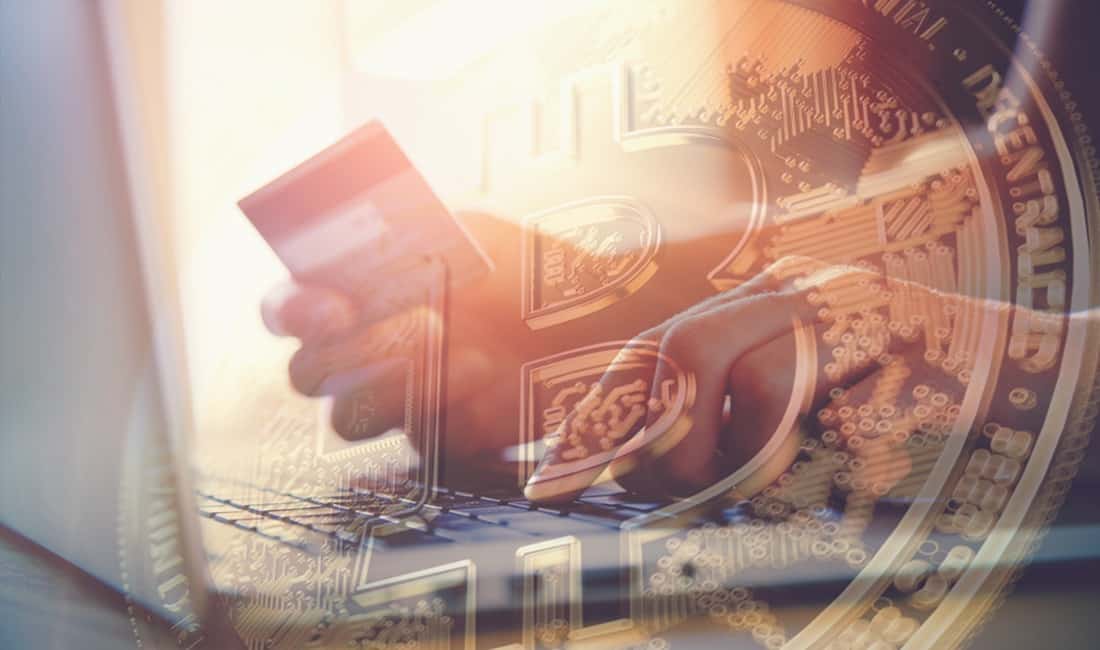
Purchasing Bitcoin with a Visa card involves a series of steps, from selecting a platform to completing the transaction. This section provides a practical example, highlighting the process and potential security considerations. Understanding these steps empowers users to make informed decisions and protect themselves from scams.
Bitcoin Purchase Example Using a Visa Card
A user, named Alice, wishes to purchase 1 Bitcoin. She selects a reputable exchange platform, “CryptoXchange.” The platform’s interface is designed to be user-friendly, allowing her to easily navigate the transaction process.
- Alice initiates the transaction by logging into her CryptoXchange account. The platform displays a clear breakdown of the current Bitcoin price and the associated fees.
- She verifies her payment details, ensuring the correct Visa card information is entered. Security measures like two-factor authentication (2FA) are implemented to add an extra layer of protection against unauthorized access.
- CryptoXchange displays a confirmation screen, outlining the transaction details, including the Bitcoin amount, the current exchange rate, and the transaction fees. Alice reviews this information carefully to ensure accuracy.
- Alice confirms the transaction. A pop-up appears, notifying her of the successful purchase. The platform generates a transaction ID for record-keeping.
- The Bitcoin is credited to Alice’s CryptoXchange wallet shortly after the transaction confirmation. The platform provides real-time updates on the transaction status.
Illustrative Platform Interface (CryptoXchange)
Imagine a simplified interface of CryptoXchange. A clear input field prompts the user to enter the desired Bitcoin amount. A dynamic display updates the total cost in fiat currency (e.g., USD) based on the current exchange rate. Fields for credit card details are clearly labeled and organized. A dedicated “Confirm Purchase” button stands out, prominently displayed.
A progress bar, indicating the transaction’s progress, further enhances user experience.
Security Risk Scenario
Suppose Alice receives a suspicious email claiming to be from CryptoXchange, requesting her login credentials. The email is designed to mimic the platform’s official design. This is a phishing attempt, a common security risk.
Resolving the Security Risk
- Do not click any links in the suspicious email. Instead, verify the email’s authenticity by directly accessing CryptoXchange’s website through a known, trusted browser link.
- Contact CryptoXchange’s support through the official channels provided on the legitimate website. Report the phishing attempt immediately.
- Change the password associated with her CryptoXchange account to prevent unauthorized access.
- Enable two-factor authentication for added security. This requires a secondary verification step beyond a simple password.
- Monitor account activity regularly to detect any unusual transactions or login attempts.
Last Point
In conclusion, buying Bitcoin with a Visa card presents a straightforward way to acquire cryptocurrency. While offering convenience, it’s crucial to understand the associated risks and explore alternative methods if necessary. Thorough research and careful consideration of security measures are paramount when engaging in such transactions.
FAQ Compilation
What are the typical fees associated with buying Bitcoin using a Visa card?
Fees vary by platform but often include transaction fees from the payment processor and potential markups from the exchange. It’s best to check the specific fees on the platform you plan to use.
What are the security measures I should take when buying Bitcoin online?
Use strong passwords, enable two-factor authentication, avoid suspicious links, and regularly update software to mitigate risks. Always research the platform before making a transaction.
Are there any restrictions on buying Bitcoin with a Visa card in my country?
Regulations surrounding cryptocurrency transactions vary by country. Always check the legal requirements in your jurisdiction to ensure compliance.
What are some alternatives to using a Visa card for buying Bitcoin?
Other methods include bank transfers, wire transfers, and other cryptocurrency exchanges. Each method has its own advantages and disadvantages in terms of speed, cost, and security.