Buying Bitcoin with a credit card on Coinbase is a straightforward process, though it’s essential to understand the steps and associated costs. This guide will walk you through the entire process, from account setup to successful Bitcoin acquisition, highlighting crucial security measures and alternative payment methods.
Coinbase, a popular cryptocurrency exchange, offers a user-friendly platform for purchasing Bitcoin. This guide details the process, including the different account types available, security measures in place, and alternative payment methods. We’ll also address potential issues and risks, providing valuable insights for a secure and informed Bitcoin purchase.
Introduction to Bitcoin and Coinbase
Bitcoin, a decentralized digital currency, emerged in 2009. Its value fluctuates significantly, influenced by market forces, adoption rates, and regulatory developments. Bitcoin’s unique characteristic is its limited supply, which, in theory, can affect its price. This has attracted both investors and critics. It offers the potential for high returns, but also carries substantial risk.
Its history is marked by periods of extreme volatility.Coinbase is a prominent cryptocurrency exchange platform that facilitates buying, selling, and holding various cryptocurrencies, including Bitcoin. It offers a user-friendly interface and a range of features for managing digital assets. It has played a crucial role in the wider adoption of cryptocurrencies. The platform’s security measures and regulatory compliance are important considerations for users.
Creating a Coinbase Account
Setting up a Coinbase account is a straightforward process. Users are required to provide personal information and complete verification steps to ensure account security. This process is crucial for safeguarding both user funds and the platform’s integrity. The verification process typically involves submitting government-issued identification documents.
Verifying User Identity
Coinbase’s verification process aims to mitigate risks associated with fraudulent activities. This includes verifying user identity through documents like driver’s licenses or passports. This step is essential for maintaining a secure and trustworthy platform. Thorough verification procedures help protect both users and the platform.
Coinbase Account Types
Coinbase offers various account types tailored to different user needs. Understanding the distinctions between these account types is vital for selecting the most appropriate option. This selection depends on factors like trading volume, transaction frequency, and investment goals.
| Account Type | Features | Suitable for |
|---|---|---|
| Basic | Limited trading, basic features | Users who occasionally buy or sell cryptocurrencies |
| Pro | Advanced trading tools, higher transaction limits | Active traders and institutional investors |
| Institutional | Dedicated support, advanced security measures, high volume trading | Large institutional investors and businesses |
Understanding the Process of Buying Bitcoin
Purchasing Bitcoin with a credit card on Coinbase is a straightforward process, though it’s important to understand the steps involved, the security measures in place, and the associated fees. This section details the entire process, from initiating the transaction to confirming the purchase on the Coinbase platform.Buying Bitcoin with a credit card on Coinbase is a popular method due to its relative ease of use.
Coinbase provides a secure platform for executing these transactions, while users should remain aware of the fees involved.
Steps Involved in Purchasing Bitcoin
The process of buying Bitcoin on Coinbase using a credit card involves several key steps. Following these steps carefully will ensure a smooth and secure transaction.
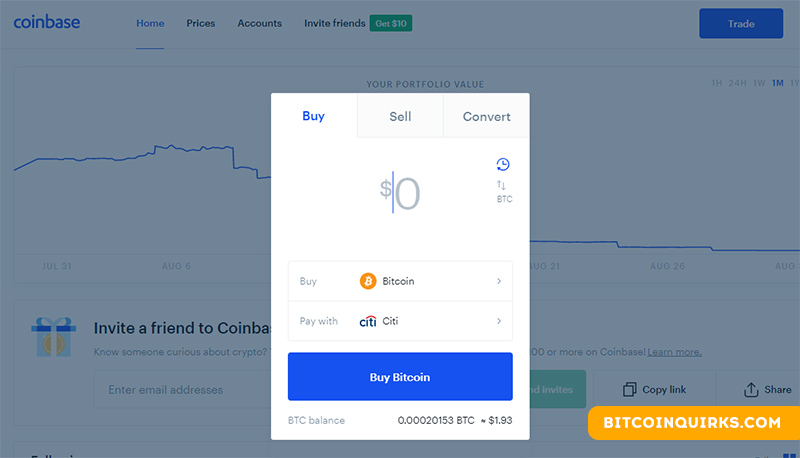
- Accessing the Coinbase Platform: Log in to your Coinbase account. Ensure your account details are accurate and up-to-date. This is a crucial first step to avoid potential issues during the transaction process.
- Navigating to the Buying Page: Locate the Bitcoin purchase section on the Coinbase platform. This usually involves selecting the Bitcoin icon or a similar designated area.
- Specifying the Bitcoin Amount: Input the amount of Bitcoin you wish to purchase. Coinbase will typically display the equivalent USD value based on the current market price.
- Reviewing the Transaction: Double-check the details of your purchase, including the amount of Bitcoin, the corresponding USD value, and the applicable fees. This step is crucial for confirming the transaction aligns with your intentions.
- Authorizing the Payment: Enter your credit card details, and follow the platform’s instructions to authorize the payment. Coinbase uses secure protocols to protect your sensitive information.
- Confirming the Purchase: Once the payment is authorized, you’ll receive confirmation from Coinbase. The Bitcoin will be added to your Coinbase account balance.
Security Measures Implemented by Coinbase
Coinbase employs robust security measures to protect user accounts and transactions. These measures help safeguard your financial information and Bitcoin holdings.
- Two-Factor Authentication (2FA): Coinbase strongly recommends enabling 2FA for added security. This involves receiving a code via a mobile device or authenticator app, requiring two forms of verification to access your account.
- Advanced Encryption: Coinbase utilizes industry-standard encryption protocols to protect sensitive data during transactions. This includes data in transit and stored within the platform.
- Regular Security Audits: Coinbase conducts regular security audits and vulnerability assessments to identify and address potential risks. This proactive approach helps maintain a secure platform.
Fees Associated with Buying Bitcoin
Buying Bitcoin on Coinbase involves various fees, which can influence the overall cost. It’s crucial to understand these fees to make informed purchasing decisions.
- Transaction Fees: Coinbase charges transaction fees on each Bitcoin purchase. These fees are typically a small percentage of the transaction amount.
- Credit Card Markups: Some credit cards may charge markups on transactions made for cryptocurrencies. This can increase the effective cost of the purchase.
Navigating the Coinbase Platform
Navigating the Coinbase platform for Bitcoin purchases is intuitive. Follow these steps to execute a purchase smoothly.
- Login: Access your Coinbase account. Ensure the correct account is selected if using multiple accounts.
- Navigate to the Buy Page: Locate the Bitcoin purchase section. Usually, you’ll find a dedicated tab or button labeled “Buy Bitcoin” or similar.
- Enter the Amount: Input the desired amount of Bitcoin you want to buy.
- Review and Confirm: Carefully review the transaction details before proceeding. Verify the amount, fees, and other relevant information.
- Authorize Payment: Follow the on-screen instructions to authorize the payment using your credit card.
- Confirm Purchase: Once the payment is authorized, you’ll receive confirmation from Coinbase, indicating the Bitcoin has been added to your account.
Exploring Alternative Methods of Bitcoin Purchases
Beyond credit cards, Coinbase offers various methods for acquiring Bitcoin. Understanding these alternatives empowers users to choose the most suitable option based on their individual needs and circumstances. Different payment methods cater to diverse preferences and financial situations.While credit cards offer convenience, other options provide alternative pathways for purchasing Bitcoin. These methods often come with varying levels of speed, cost, and security considerations.
A comparative analysis can guide users towards the most appropriate choice.
Alternative Payment Methods on Coinbase
Coinbase supports several payment methods besides credit cards. These options often offer distinct advantages and disadvantages in terms of speed, cost, and security. A careful evaluation of each method is crucial.
- Bank Transfers: This method typically involves transferring funds directly from a bank account to a Coinbase account. This process can be suitable for those seeking a secure and straightforward approach, albeit often with a slower transaction time compared to other methods.
- Debit Cards: Debit cards allow for a quicker purchase process, similar to credit cards, but are tied directly to a bank account. This method can be convenient, though security measures should be taken into consideration.
- ACH (Automated Clearing House) Transfers: ACH transfers are electronic funds transfers that facilitate the movement of funds between bank accounts. This method is commonly used in the US and is generally a secure and efficient way to transfer funds for Bitcoin purchases.
- Wire Transfers: Wire transfers are another electronic method of transferring funds from one bank account to another. This can be used to fund Bitcoin purchases but may incur additional fees and take longer than other methods.
Comparing Payment Methods
The table below illustrates a comparison of different payment methods, focusing on speed, cost, and security. This comparison aids in selecting the optimal method.
| Payment Method | Speed | Cost | Security |
|---|---|---|---|
| Credit Card | Generally fast | Potentially higher fees, depending on the card and transaction amount | Relatively secure if used on a secure platform |
| Bank Transfer | Slower | Generally lower fees | Secure, typically involves multiple steps for verification |
| Debit Card | Generally fast | Potentially lower fees compared to credit cards | Secure, but tied to a bank account |
| ACH Transfer | Moderate speed | Usually low cost | Secure, electronically processed transaction |
| Wire Transfer | Slower | Potentially higher fees | Secure, often used for larger transactions |
Addressing Potential Issues and Risks
Purchasing Bitcoin with a credit card, while convenient, presents inherent risks. Understanding these risks and taking proactive steps to mitigate them is crucial for a safe experience. This section details common problems, associated dangers, and protective measures.The allure of quick access to Bitcoin through credit cards can sometimes overshadow the potential pitfalls. These pitfalls, if not addressed carefully, can lead to significant financial losses or other negative consequences.
Common Issues with Credit Card Bitcoin Purchases
Users may encounter difficulties with transaction processing, such as delays or rejection of payments. Technical glitches on the Coinbase platform or issues with the user’s credit card network can lead to these problems. Additionally, incorrect account information input or insufficient funds in the linked account can cause payment failures. Furthermore, the user might experience issues with confirming the transaction or receiving the purchased Bitcoin.
Risks Associated with Buying Bitcoin and Credit Cards
Using credit cards for Bitcoin purchases introduces financial risks. Unsecured or poorly secured credit accounts can be vulnerable to unauthorized transactions, especially if the user’s account credentials are compromised. Furthermore, the volatility of the Bitcoin market means the value of the purchased Bitcoin can fluctuate significantly, potentially resulting in losses. Additionally, the user might face unexpected fees or charges related to the credit card transaction or the Bitcoin exchange.
Protecting Against Scams and Fraudulent Activities
It is essential to verify the legitimacy of any Bitcoin-related website or platform before making a purchase. Look for secure websites with appropriate security certifications, like HTTPS, and be cautious of unsolicited emails or messages offering investment opportunities. Do not share personal or financial information with unknown entities. Regularly monitor your credit card statements for any suspicious transactions.
Steps to Take if a Problem or Fraud Occurs
If a user encounters a problem with a Bitcoin purchase, contacting Coinbase support immediately is essential. Document all communications and transactions. If fraud is suspected, immediately report the fraudulent activity to the credit card issuer and the relevant authorities. Follow the instructions provided by Coinbase and the credit card company to resolve the issue. Review your transaction history carefully.
Security Tips for Safe Bitcoin Transactions
- Strong Passwords: Use strong, unique passwords for your Coinbase account and other online accounts. Consider using a password manager for secure password generation and storage.
- Two-Factor Authentication (2FA): Enable 2FA for your Coinbase account to add an extra layer of security. This requires a secondary verification method beyond a password.
- Regular Account Monitoring: Regularly review your Coinbase account activity and credit card statements for any unusual transactions.
- Secure Wi-Fi: Avoid making Bitcoin purchases over public Wi-Fi networks, as they may be vulnerable to hacking.
- Beware of Phishing Attempts: Be highly cautious of unsolicited emails or messages claiming to be from Coinbase or other financial institutions. Never click on links in suspicious emails and verify any requests for information directly through official channels.
- Transaction Verification: Double-check all transaction details before confirming any Bitcoin purchase.
- Keep Software Updated: Ensure your operating system, browser, and antivirus software are up-to-date to protect against vulnerabilities.
Overview of Buying Bitcoin (General)
Buying Bitcoin, like any other investment, involves understanding the process and the different approaches available. This section provides a comprehensive overview, covering various purchase types, comparing methods, and highlighting the role of wallets in the Bitcoin ecosystem. This will help you make informed decisions when acquiring Bitcoin.Acquiring Bitcoin involves selecting a suitable method, considering factors like transaction speed, cost, and security.
Different platforms offer varying purchase options, impacting the overall experience. Understanding these differences is key to navigating the Bitcoin market effectively.
Types of Bitcoin Purchases
Various purchase methods cater to different needs and preferences. These methods range from instantaneous transactions to more strategic approaches. Understanding these options empowers you to choose the best fit for your investment strategy.
- Instant Buy Orders: These orders allow for immediate purchase of Bitcoin at the current market price. This is convenient for those seeking rapid access to Bitcoin but may expose them to price fluctuations.
- Limit Buy Orders: These orders specify a desired price for Bitcoin. If the market price reaches your limit, the order executes. This method lets you buy at a pre-determined price, potentially avoiding unfavorable market conditions. It offers more control but might not always result in an immediate purchase.
Comparison of Purchase Methods
The choice between instant and limit orders depends on individual priorities and market conditions. A table comparing these methods follows.
| Purchase Type | Description | Pros | Cons |
|---|---|---|---|
| Instant Buy | Purchase at current market price. | Fast execution, easy to use. | Potential for buying at a higher price than desired. |
| Limit Buy | Purchase at a specified price. | Potential for buying at a lower price, more control. | May not execute immediately, may not be filled at all if the price never reaches the limit. |
The Role of Bitcoin Wallets
Bitcoin wallets are crucial for storing and managing Bitcoin. They act as digital containers for your Bitcoin holdings. The security and type of wallet significantly affect your Bitcoin management.
- Custodial Wallets: These wallets are held by a third party, like a cryptocurrency exchange. They provide convenience but may involve security risks and potential loss of control over your funds. This method is often suitable for users new to Bitcoin, providing a level of simplicity in managing the funds.
- Non-Custodial Wallets: These wallets are managed by you, giving you full control over your Bitcoin. While providing greater security, they require more technical knowledge and potential security measures from your end.
The choice of wallet depends on your risk tolerance and technical expertise.
Illustrative Scenarios and Examples
Purchasing Bitcoin with a credit card on Coinbase, while generally straightforward, can sometimes present challenges. Understanding potential issues and how to address them is crucial for a smooth transaction. These scenarios will illustrate successful transactions, problems encountered, and fraud attempts, equipping you with the knowledge to navigate the process safely.
Successful Bitcoin Purchase
A user named Sarah wants to buy Bitcoin. She has a Coinbase account and a credit card. Following the on-screen instructions, she initiates a purchase of 0.5 Bitcoin. Coinbase verifies her identity and credit card details. The transaction is approved, and the Bitcoin is credited to her Coinbase wallet within the specified timeframe.
This is a typical successful transaction flow.
Problem During Transaction Process
A user, David, attempts to buy Bitcoin using a credit card. However, during the transaction, an error message appears stating “Insufficient funds.” This could be due to a low credit limit or a temporary issue with the payment gateway. He checks his credit card balance and finds the funds are available. He contacts Coinbase support, who then investigate and determine a temporary payment processing issue on their end.
This is resolved, and the transaction completes successfully.
Fraud Attempt
A user, Emily, receives an email appearing to be from Coinbase, requesting confirmation of her Bitcoin purchase. The email contains a link to a fake Coinbase website. Emily, trusting the email’s appearance, enters her login credentials and payment details on the fraudulent site. This fraudulent attempt is immediately flagged by Coinbase’s security system, and Emily’s account is secured.
She then reports the incident to her bank to prevent any further unauthorized charges.
Comparison of Scenarios
| Scenario | Successful Purchase | Problem During Transaction | Fraud Attempt |
|---|---|---|---|
| User | Sarah | David | Emily |
| Issue | None | Insufficient funds (or temporary processing issue) | Phishing email and fake website |
| Resolution | Successful transaction | Coinbase support resolved temporary issue | Account secured; fraudulent activity reported |
| Key Difference | Smooth transaction | Unexpected error during process | Malicious intent by a third party |
Troubleshooting Issues
- Insufficient Funds: Double-check your credit card balance and ensure there are sufficient funds to cover the purchase. Contact your credit card provider if you suspect an error in your statement.
- Transaction Errors: Contact Coinbase support immediately for assistance. Provide them with the transaction details and error message for investigation. Be sure to check if the error is on your side (incorrect details) or Coinbase’s (temporary issues).
- Suspicious Emails: Never click on links in unsolicited emails claiming to be from Coinbase. Always log in to Coinbase through its official website, and verify your email address. Never share login credentials via email.
Comparing Coinbase to Other Platforms
Coinbase, while a popular choice, isn’t the only cryptocurrency exchange available. Understanding the landscape of competing platforms allows for a more informed decision about where to buy and trade cryptocurrencies. Different platforms cater to various needs and preferences, offering varying features and user experiences.
Key Competitors to Coinbase
Several reputable platforms offer similar services to Coinbase, each with its own strengths and weaknesses. Popular competitors include Kraken, Gemini, Binance, and others. These platforms cater to different demographics and investment strategies, offering unique advantages and drawbacks.
Coinbase’s Strengths and Weaknesses
Coinbase excels in user-friendliness, particularly for beginners. Its intuitive interface and straightforward buying process make it a popular choice for those new to cryptocurrency. However, Coinbase’s fees can sometimes be higher compared to some competitors, and its selection of tradable assets might be limited compared to larger exchanges like Binance.
Kraken: A Focus on Trading
Kraken is known for its advanced trading tools and robust security measures. It appeals to experienced traders seeking sophisticated order types and market analysis tools. However, its interface can be less intuitive for beginners, requiring a steeper learning curve.
Gemini: Emphasizing Security and Trust
Gemini prioritizes security and user trust, often featuring enhanced security protocols and a focus on compliance. This approach resonates with users who value safety and regulatory oversight. However, Gemini’s platform might be less feature-rich than some other exchanges for advanced traders.
Binance: A Global Reach and Wide Selection
Binance boasts a vast selection of cryptocurrencies and trading pairs, appealing to those seeking diverse investment opportunities. It also offers a global reach, supporting various regions and currencies. However, Binance’s popularity also means it can experience higher trading volumes and potentially more complex user interfaces.
User Experience Comparison
The user experience varies significantly between platforms. Coinbase prioritizes simplicity and ease of use, ideal for beginners. Kraken provides a more technical and advanced trading environment. Gemini emphasizes security and trust, while Binance presents a broad range of features, but with a potential learning curve. User reviews and testimonials often reflect these platform-specific characteristics.
Pros and Cons of Coinbase
| Pros | Cons |
|---|---|
| Intuitive and user-friendly interface, especially for beginners. | Potentially higher fees compared to some competitors. |
| Wide availability of cryptocurrencies to buy. | Limited advanced trading features. |
| Strong security measures. | Selection of tradable assets might be less extensive than on larger exchanges. |
| Excellent customer support. |
Summary of Key Differences and Similarities
This table summarizes the key differences and similarities between Coinbase and its competitors, highlighting their specific strengths and weaknesses.
| Feature | Coinbase | Kraken | Gemini | Binance |
|---|---|---|---|---|
| User Friendliness | High | Low | Medium | Medium |
| Trading Features | Basic | High | Medium | High |
| Security | Good | Excellent | Excellent | Good |
| Fees | Potentially higher | Potentially lower | Potentially lower | Potentially lower |
| Asset Selection | Good | Good | Good | Extensive |
End of Discussion
In conclusion, purchasing Bitcoin with a credit card on Coinbase is a manageable task with proper understanding and caution. This guide has covered various aspects of the process, including security measures, alternative payment options, and potential issues. Remember to prioritize security and research different methods before making your purchase. By following the steps Artikeld, you can confidently acquire Bitcoin through Coinbase.
Question Bank
What are the fees associated with buying Bitcoin on Coinbase with a credit card?
Coinbase charges transaction fees, and your credit card provider may also add fees or markups. It’s best to check both Coinbase’s and your credit card’s fee structures before completing a purchase.
What security measures does Coinbase use to protect user transactions?
Coinbase employs robust security measures, including encryption and multi-factor authentication, to protect user accounts and transactions. They also have a dedicated fraud prevention team.
Are there any alternative payment methods for buying Bitcoin on Coinbase besides credit cards?
Yes, Coinbase supports various alternative payment methods like bank transfers, and other digital wallets. Each method has its own pros and cons regarding speed, cost, and security.
What should I do if I encounter a problem during a Bitcoin purchase on Coinbase?
Contact Coinbase’s customer support immediately. They can provide assistance and guidance in resolving the issue.